In brief
In the wake of California's recently blocked law banning masked federal agents, states like Washington are stepping forward with similar legislation to enhance transparency in law enforcement. As laws evolve, questions arise regarding their constitutionality, effectiveness, and political motivations surrounding mask mandates aimed at federal immigration officers during enforcement actions.
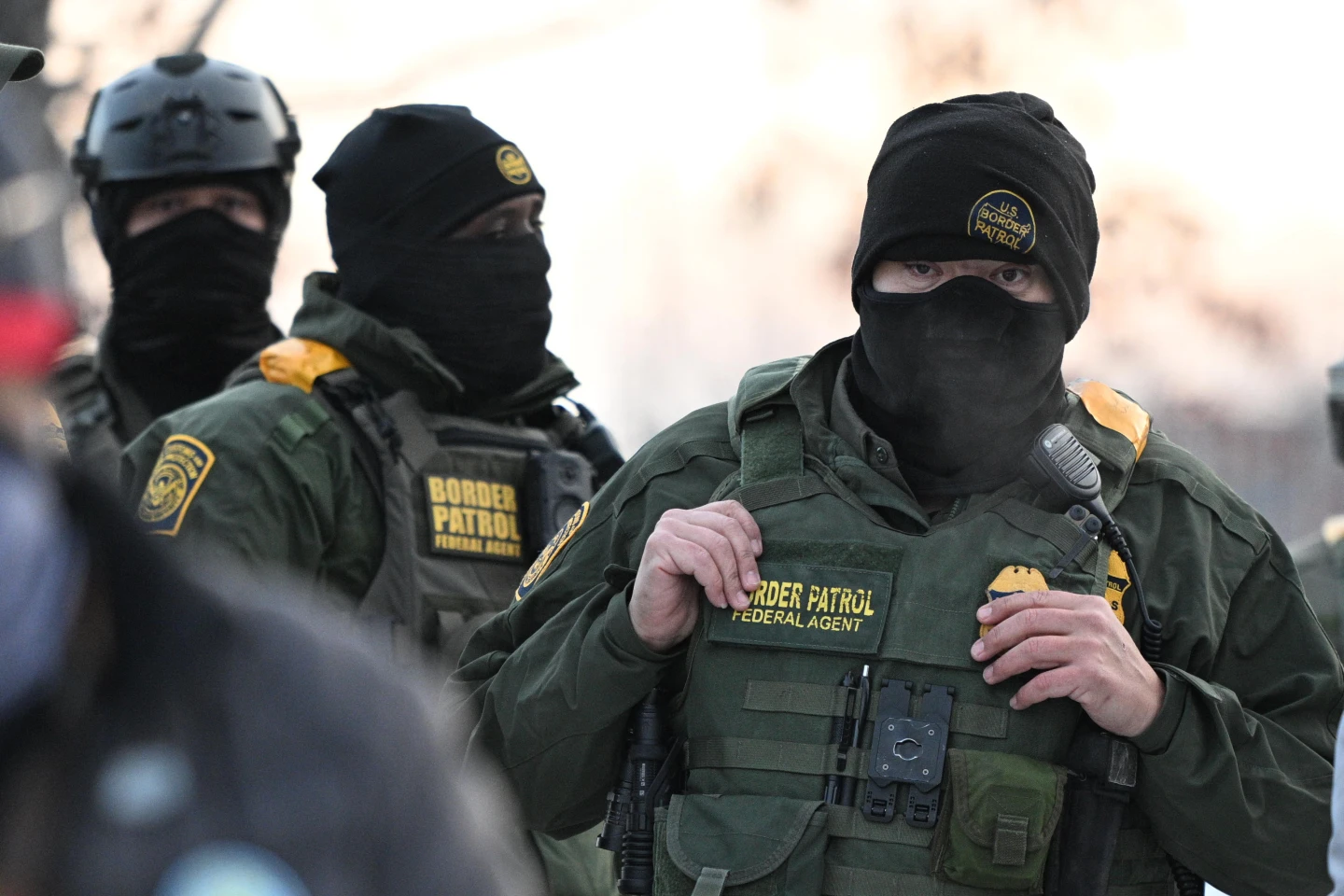
Proposals to prohibit federal immigration agents from masking their faces have gained new life in states — thanks in part to a court ruling that blocked the nation’s first such law, in California.
A little over a month after the California law was suspended, Washington state’s Democratic governor, Bob Ferguson, prepared to sign a law limiting facial coverings on law enforcement officers, effective immediately.
Similar anti-masking bills received final approval earlier this month from Democratic-led legislatures in Oregon and Virginia, and have been introduced in at least one legislative chamber in Hawaii, Maryland, and Vermont. These proposals are a response to President Trump's immigration enforcement tactics, where federal agents, sometimes masked, have conducted raids leading to numerous deportations. Critics argue that masks enable aggressive behavior.
The federal Department of Homeland Security condemned the new Washington state measure as irresponsible, reckless and dangerous, asserting it would not comply with what it deems an unconstitutional ban.
The question of constitutionality is murky; in February, a federal judge ruled that California's mask ban discriminated against federal law enforcement as it applied only to federal and local officers, but not state-level ones. This ruling has encouraged other states to draft similar legislation.
The Washington measure restricts face coverings for all levels of law enforcement, aiming to avoid discrimination claims against federal officials. This key distinction could pave the way for other states to follow suit.
Lawmakers cite the need for public trust, emphasizing that masked officers can intimidate and instill fear in citizens. The law includes exceptions for undercover operations and tactical teams, but allows citizens detained by masked officers to sue them for damages.
While California's legislature started pursuing these restrictions after agents wore masks during raids in 2021, over 30 states have since considered similar anti-masking legislation. However, enforcement mechanisms and penalties differ, with Virginia proposing potential misdemeanor charges for officers violating the state ban.
In contrast, some Republican lawmakers express concerns that these measures might foster negative perceptions of law enforcement, arguing that protesters have the freedom to wear masks during demonstrations, complicating the debate over mask bans for law officials.
As states navigate the complexities of law enforcement, accountability, and public safety, the evolving landscape of mask regulation continues to spark contentious discussions across the political spectrum.