In brief
A partial government shutdown in the US has been initiated after Congress failed to pass funding for the Department of Homeland Security (DHS), leading to concerns over potential airport delays and increased wait times. Key agencies, including the Transportation Security Administration (TSA), face challenges as they might have to operate without pay, risking unscheduled absences among personnel. The shutdown is expected to impact the travelling experience, though it may not result in the level of chaos seen during the record-long 2019 shutdown.
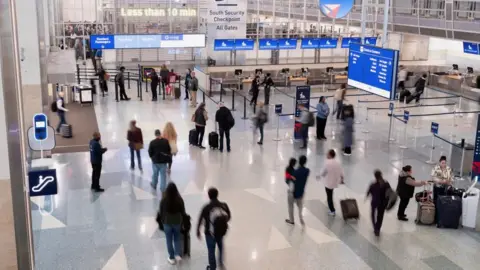
Travel groups and airlines are warning of potential disruption as the US federal government partially shut down after lawmakers failed to reach a deal on funding the Department of Homeland Security (DHS). Several groups, including Airlines for America, said in a joint statement on Friday that without a deal, the risk of unscheduled absences by Transportation Security Administration workers increased, causing flight delays and longer wait times. 'Travellers and the US economy cannot afford to have essential TSA personnel working without pay,' they said. A partial government shutdown began at midnight (05:00 GMT) on Saturday after Congress failed to pass a bill to fund DHS operations.In exchange for a funding deal, Democrats had been pushing for more restrictions on US Immigrations and Customs Enforcement (ICE), which will not be significantly affected by the shutdown because of funding from the 'One Big Beautiful Bill Act' last year. Democrats have been demanding reforms after federal agents killed Alex Pretti and Renee Good, two Minneapolis residents who were protesting the Trump administration's immigration raids in Minnesota, in January. They have asked for a number of changes within the DHS including a ban on immigration agents wearing face masks, better identification for officers, and stricter rules for obtaining warrants.On Thursday, Senate Democrats blocked two funding bills because the measures did not include immigration reforms. The most recent funding measure passed at the end of January only funded the DHS for two weeks while lawmakers attempted to reach a deal on immigration reforms. President Trump indicated uncertainty over reaching an agreement with Democrats to fund the DHS, stating, 'we'll see what happens.' The partial shutdown is expected to affect several agencies under the DHS umbrella, including the Coast Guard and TSA. Last year, the US government experienced its longest shutdown in history, lasting 43 days, which led to extensive travel chaos. Currently, Congress is set for a recess until February 23, raising concerns that the shutdown may persist until after Trump's State of the Union address, yet lawmakers could be called back if a deal nears.The partial shutdown is not anticipated to cause as much travel chaos as the previous year due to the Federal Aviation Administration's (FAA) already secured funding for the year, however, TSA workers may face pay issues, which could result in longer airport lines. The Coast Guard may also need to reduce operations as funding dwindle, with Vice Admiral Thomas Allan noting that approximately 56,000 workers could go without pay, needing to suspend non-critical missions. The DHS has $165bn from the previous legislation that it could leverage for immediate needs.