WASHINGTON (AP) — Top Trump administration national security officials facing back-to-back congressional hearings starting Wednesday are expected to be pressed on the war in Iran, including a deadly strike on a school, and the FBI’s capacity to prevent terror attacks inside the United States.
The annual worldwide threats hearings involve the government’s senior-most intelligence officials at a time of scrutiny over U.S. military campaigns in the Middle East and heightened concerns about domestic terrorism following recent violent incidents. The testimony is expected to center on a particularly controversial missile strike that hit an elementary school in Iran, leading to the tragic deaths of over 165 people. Reports suggest that inaccurate targeting data from the Defense Intelligence Agency contributed to the strike, which is still under investigation by the White House.
The hearings will explore ongoing administration debates about the war following the resignation of National Counterterrorism Center director Joe Kent, who voiced concerns about the Trump administration's approach and disputed the notion of an imminent threat from Iran.
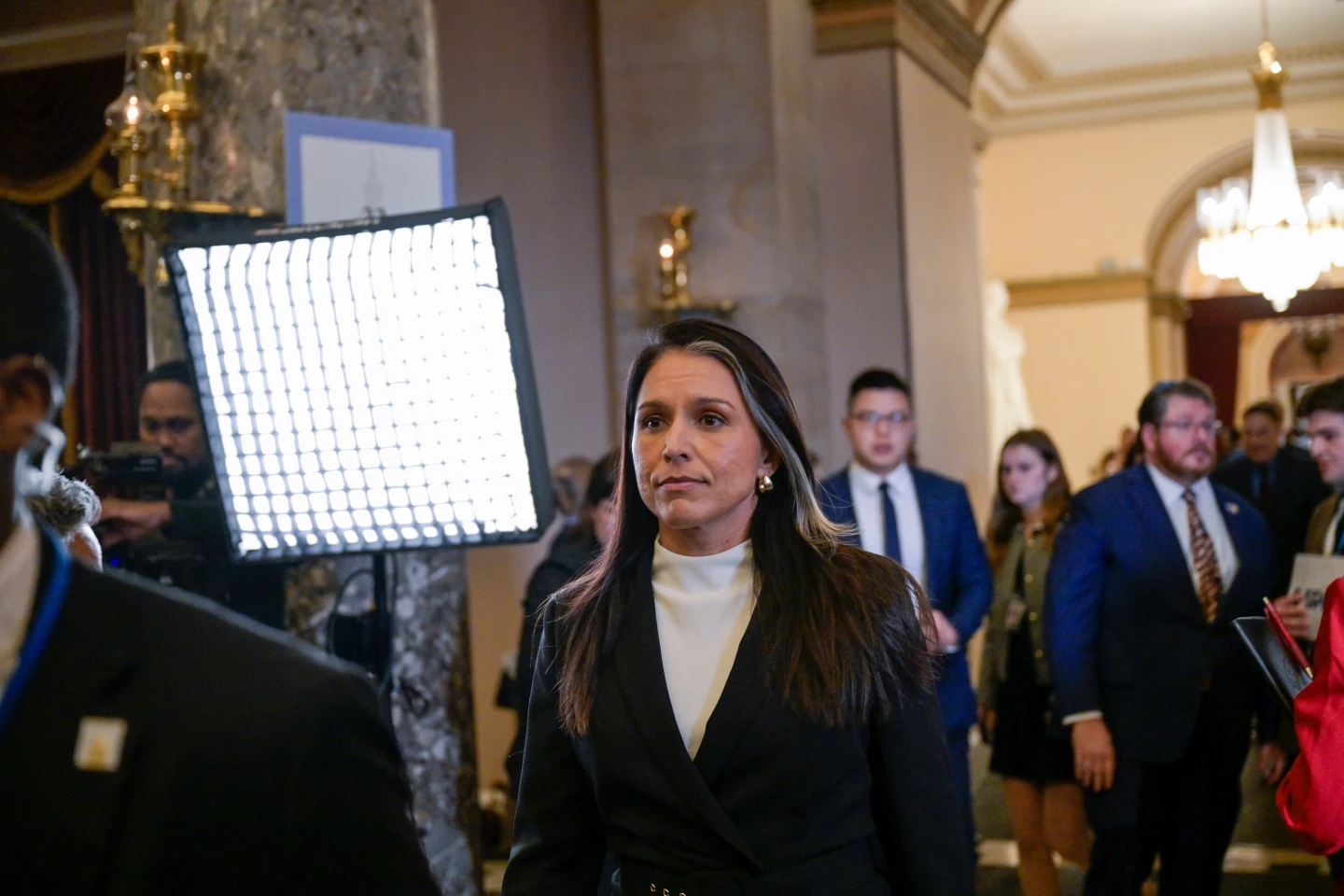
Director of National Intelligence Tulsi Gabbard and CIA Director John Ratcliffe are among key figures slated to address the committees, especially regarding recent intelligence assessments indicating that U.S. strikes are unlikely to bring about a regime change in Tehran.
The hearings will additionally delve into recent leadership changes within the FBI under Kash Patel, who has faced scrutiny over his management style and a surge in terrorism threats across the country. With a recent rise in violent incidents linked to radical ideologies, including an attack at a Texas bar and attempts on protests in New York, the pressure on federal agencies to adapt to emerging threats remains high.
Gabbard and others will be asked to provide insights on recent intelligence assessments regarding the Iranian threat, amid ongoing discussions about the military strategy's effectiveness and national security implications. As these hearings unfold, the focus on both international warfare and domestic security will be paramount as officials seek to reassure the public and Congress about safety measures against potential threats.
The annual worldwide threats hearings involve the government’s senior-most intelligence officials at a time of scrutiny over U.S. military campaigns in the Middle East and heightened concerns about domestic terrorism following recent violent incidents. The testimony is expected to center on a particularly controversial missile strike that hit an elementary school in Iran, leading to the tragic deaths of over 165 people. Reports suggest that inaccurate targeting data from the Defense Intelligence Agency contributed to the strike, which is still under investigation by the White House.
The hearings will explore ongoing administration debates about the war following the resignation of National Counterterrorism Center director Joe Kent, who voiced concerns about the Trump administration's approach and disputed the notion of an imminent threat from Iran.
Director of National Intelligence Tulsi Gabbard and CIA Director John Ratcliffe are among key figures slated to address the committees, especially regarding recent intelligence assessments indicating that U.S. strikes are unlikely to bring about a regime change in Tehran.
The hearings will additionally delve into recent leadership changes within the FBI under Kash Patel, who has faced scrutiny over his management style and a surge in terrorism threats across the country. With a recent rise in violent incidents linked to radical ideologies, including an attack at a Texas bar and attempts on protests in New York, the pressure on federal agencies to adapt to emerging threats remains high.
Gabbard and others will be asked to provide insights on recent intelligence assessments regarding the Iranian threat, amid ongoing discussions about the military strategy's effectiveness and national security implications. As these hearings unfold, the focus on both international warfare and domestic security will be paramount as officials seek to reassure the public and Congress about safety measures against potential threats.