In brief
Protestant and Catholic clergy in Minnesota are petitioning U.S. District Judge Jerry Blackwell for an injunction to allow them to provide pastoral care to immigrant detainees at a federal facility. The suit highlights allegations of obstruction faced by clergy attempting to serve individuals in distress, citing violations of constitutional rights and existing federal laws on religious freedoms. The government contends that visitation restrictions are moot due to recent changes in ICE operations and that sufficient access to the facility has been allowed.
MINNEAPOLIS (AP) — A group of clergy from Protestant and Catholic backgrounds is urging a federal judge to enforce their right to minister to immigrants detained at a federal facility in Minneapolis, known as the Bishop Henry Whipple Federal Building, during a significant period of immigration enforcement under the Trump administration.
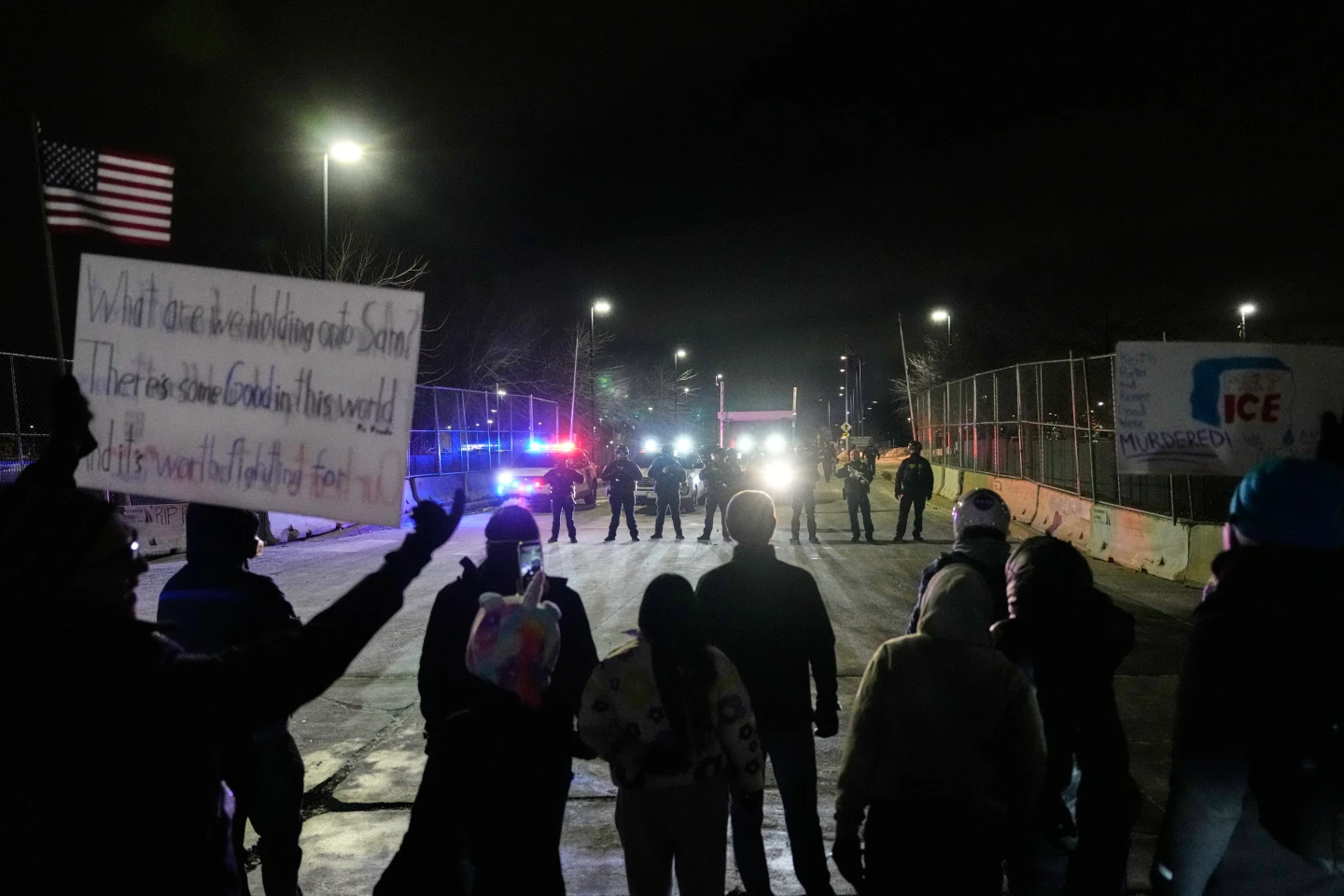
The request, led by the Minnesota branches of the Evangelical Lutheran Church in America and the United Church of Christ, along with a Catholic priest, is set for a hearing this Friday with U.S. District Judge Jerry Blackwell. The plaintiffs are seeking an injunction to mandate that Department of Homeland Security officials allow immediate in-person pastoral visits for all detainees at the facility, which has become a focal point for community protests against federal immigration actions.
According to the lawsuit, the Whipple Building, named after Minnesota's first Episcopal bishop and a historical advocate for human rights, now contradicts the values of its namesake. The suit claims that the facility has turned into a “hub of systematic deprivation” of essential constitutional and legal rights.
The government legal representatives argue that the request may be moot since Operation Metro Surge officially ended on February 12, and the current volume of detentions has declined, leading to relaxed visitor restrictions. They maintain that clergy visits have been allowed for the past two weeks. A recent filing stated that staff members were previously unable to facilitate visitation due to the heightened operations and public unrest surrounding the facility.
The clergy are not standing alone in this initiative; they have garnered support from other Christian and Jewish leaders as well as the Minnesota Council of Churches, all striving for increased access to immigration detention centers, particularly during pivotal religious observances.
Numerous clergy efforts across the nation have sought access to detained individuals, especially during Lent and Ramadan. Historically, ministers, priests, and faith leaders have engaged with detainees; however, recent government policies have rendered this interaction contentious.
A similar legal case was necessary to permit two Catholic priests and a nun to enter an ICE facility in Chicago last month on Ash Wednesday. In Texas, both Muslim and Christian clergy have encountered challenges in entering large detention centers.
The Minnesota lawsuit asserts that ICE's actions represent a significant obstruction of faith leaders' abilities to provide prayer, sacramental ministry, and comfort to detainees engulfed in fear and isolation. The case highlights instances where clergy were denied access on significant dates such as Ash Wednesday when they sought to minister to their communities.
Legal arguments claim that the restrictions imposed violate not only the constitutional freedom of religion but also the 1993 Religious Freedom Restoration Act. While ICE has a policy requiring facilities to have a religious services coordinator, officials contend that the Whipple Building primarily functions as a short-term holding area, thus limiting visitor rights.
In associated incidents, members of Congress have struggled to gain entry to the facility, and even legal advocates have faced obstructions when trying to ensure detainees' rights to legal access.