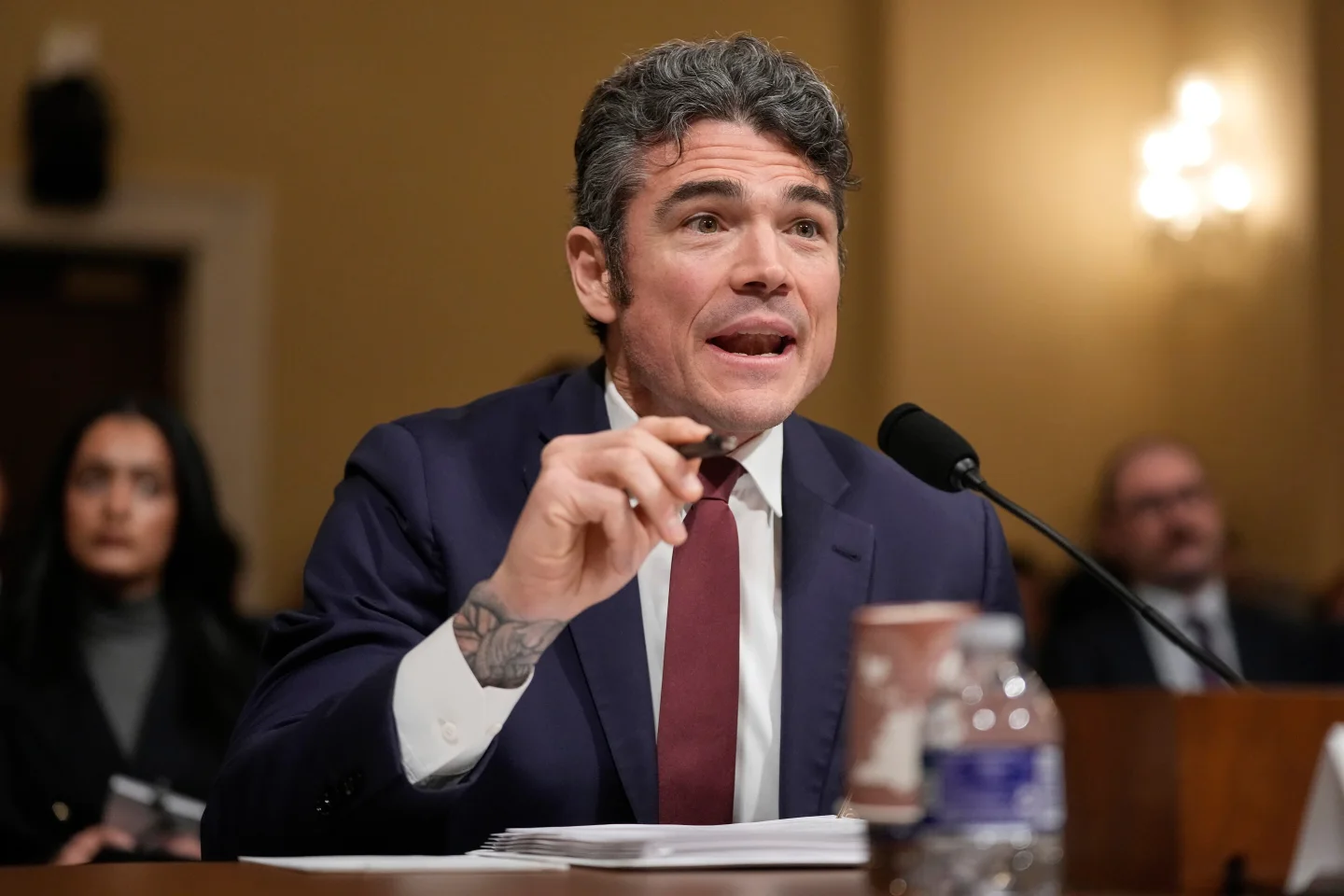
Joe Kent's recent resignation as a counterterrorism official in the Trump administration surfaced noteworthy divisions within the Republican Party. Reflecting dissent over the war with Iran, Kent's subsequent appearance on Tucker Carlson's podcast illuminated a complex framework of beliefs tied to U.S. foreign relations.
During his interview, he suggested that pro-Israel entities motivated the administration's military choices and even implied a conspiracy behind conservative activist Charlie Kirk's recent assassination attempt. His comments have ignited debates concerning antisemitic rhetoric and the degree to which such views are proliferating through right-wing channels.
Carlson, a crucial figure in conservative media, continued his critical perspective on Israel, asserting that U.S. policies were unduly influenced by its lobbying efforts. Kent's remarks have raised alarms among Republican leaders, including Mitch McConnell, who condemned them as a resurgence of antisemitic tropes dating back decades.
As the Republican establishment grapples with these issues, Kent's statement that Israel's tactics led to the U.S.'s entry into conflicts like Iraq has left many, including Jewish organizations and conservative groups, calling for a unified challenge to these narratives.
The growing rift in the GOP on Israeli support mirrors broader shifts in political discourse, particularly as conservative figures like Ben Shapiro openly criticize the infighting within right-leaning media regarding antisemitism and the ongoing war. As Kent prepares for a follow-up podcast with Mark Levin, the intra-party struggles are set to intensify, reaffirming that the conversation revolving around Israel not only affects foreign policy but also the fabric of political alliances within the Republican Party.
During his interview, he suggested that pro-Israel entities motivated the administration's military choices and even implied a conspiracy behind conservative activist Charlie Kirk's recent assassination attempt. His comments have ignited debates concerning antisemitic rhetoric and the degree to which such views are proliferating through right-wing channels.
Carlson, a crucial figure in conservative media, continued his critical perspective on Israel, asserting that U.S. policies were unduly influenced by its lobbying efforts. Kent's remarks have raised alarms among Republican leaders, including Mitch McConnell, who condemned them as a resurgence of antisemitic tropes dating back decades.
As the Republican establishment grapples with these issues, Kent's statement that Israel's tactics led to the U.S.'s entry into conflicts like Iraq has left many, including Jewish organizations and conservative groups, calling for a unified challenge to these narratives.
The growing rift in the GOP on Israeli support mirrors broader shifts in political discourse, particularly as conservative figures like Ben Shapiro openly criticize the infighting within right-leaning media regarding antisemitism and the ongoing war. As Kent prepares for a follow-up podcast with Mark Levin, the intra-party struggles are set to intensify, reaffirming that the conversation revolving around Israel not only affects foreign policy but also the fabric of political alliances within the Republican Party.