In brief
The recent bombing of a bridge in Karaj, Iran, by US forces, which resulted in eight deaths, has left many Iranians on edge. President Trump's threatening remarks about further strikes have heightened anxieties, prompting critical responses from Iranian officials and civilians alike, who express disbelief at the targeting of civilian infrastructure.
The Aftermath of the Airstrike
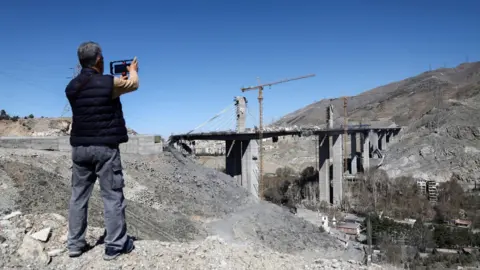
A US airstrike on a bridge in Karaj, Iran, has left eight people dead and nearly 100 injured, exacerbating fears of escalating conflict in the region. This attack coincides with US President Donald Trump's warning of future strikes on Iranian infrastructure if diplomatic resolutions are not met.
Residents of Karaj, who had gathered near the B1 suspension bridge for picnics during the Nowruz holidays, were shocked by the sudden assault. Many were caught off guard, leading to discussions about the nature of warfare and its impact on civilians. One resident expressed deep anxiety, stating, I feel helpless. [Trump] posts shamelessly about attacking our bridge. I don't know how much further this is going to go. This sentiment resonated with many others, who worry about their safety as tensions rise.
Trump's Provocations
Following the strike, President Trump's comments on social media highlighted his stance on Iran, stating, New Regime leadership knows what has to be done, and has to be done, FAST! These provocations have drawn ire from Iranian officials, including Foreign Minister Abbas Araghchi, who condemned the targeting of civilian structures as ineffective in swaying the Iranian populace. He proclaimed that America’s actions reflect its moral decay and desperation.
Local Reactions
Responses within Iran have been fiercely diverse, with some expressing support for military action against US interests, while others criticize the decision to strike civilian infrastructure. A local resident noted, “That bridge could have reduced the traffic in the city... it was destroyed in the second strike,” voicing concern over the unpredictability of further attacks.
As the international community watches closely, the situation remains fraught with uncertainty. Many highlight the need for dialogue rather than destruction, fearing that the path ahead may lead to more significant humanitarian crises in Iran.