Escalating Conflict: U.S.-Israeli Strikes Target Iranian Infrastructure
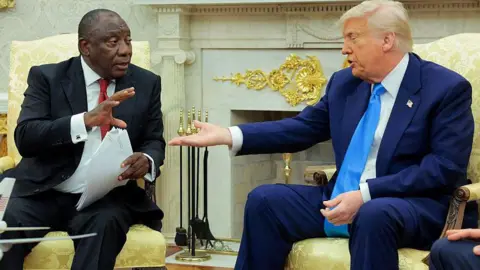
In a significant escalation of military tension, U.S. and Israeli forces have intensified their strikes aimed at Iranian infrastructure in a bid to impose compliance on Tehran. Just hours ago, U.S. President Donald Trump publicly threatened to obliterate crucial structures in Iran, declaring that actions will be taken unless Iran accepts a predetermined agreement to cease hostilities by the week's end.
Trump's alarming commitment includes airstrikes targeting Iran's bridges and power plants, with provocative declarations such as promising to 'bomb the country back to the Stone Ages' and suggesting that a whole civilization could perish without an agreement.
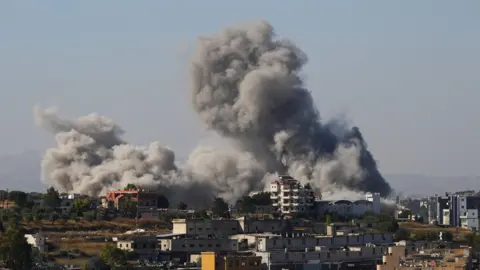
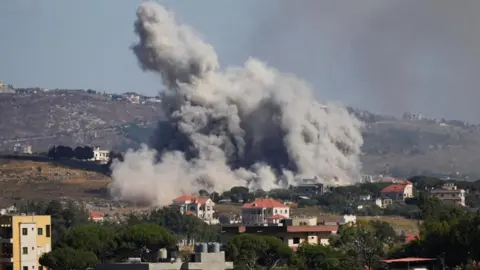
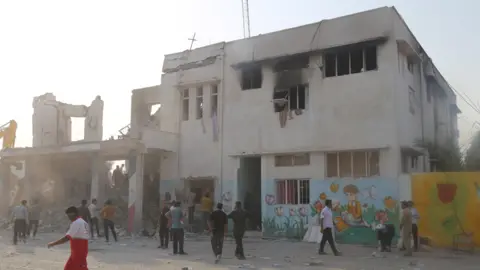
Since the offensive began, various key infrastructures crucial for daily operations have sustained considerable damage. Verified reports confirm strikes on at least two steel manufacturers, three bridges, and a pharmaceutical factory. Under scrutiny are the implications of these attacks, with UN officials and some senior members of U.S. Congress calling attention to the potential classification of these operations as war crimes.
Targeting Civilian Infrastructure
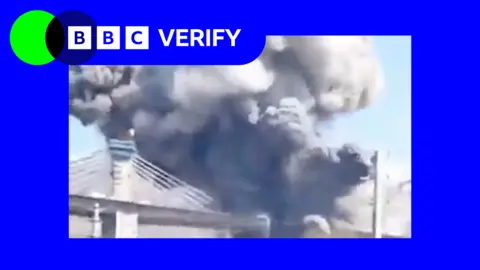
On Thursday, a U.S. strike on a bridge in the central city of Karaj resulted in numerous civilian casualties, with local reports confirming at least 13 deaths. Video evidence showcased considerable damage, marking it as a notable target amid a broader approach to cripple Iranian infrastructure.
Notably, on March 27, airstrikes impacted the largest steel manufacturing operation in Isfahan, leading to operational suspensions. Recent satellite imagery has revealed substantial damage to the Khuzestan Steel Company, suggesting potential repair timelines extending up to a year.
The Israeli government claims that the coordinated attacks have affected approximately 70% of Iran’s steel production capacity, augmenting fears of severe economic ramifications for the nation. The steel industry is pivotal to Iran's economy, representing a significant portion of its GDP.
Even further compounding matters, strikes have targeted Iran's pharmaceutical sector, including a prominent company alleged to be connected to the potential development of chemical weapons. As scrutiny intensifies, the situation regarding access to vital medications raises concerns over future healthcare delivery in Iran.
Legal Implications and International Response
Legal experts have voiced alarm over the actions, suggesting that the destruction of civilian infrastructure can contravene international law unless clear military advantages are demonstrated. There have been extensive discussions regarding the implication of 'excessive civilian harm', with UN officials reiterating that deliberate attacks on civilian sites could amount to war crimes. However, Trump has rebuffed concerns, indicating a focus on what he perceives as an immediate threat from Iranian nuclear capabilities.
As of now, as the conflict unfolds, the consequences of U.S.-Israeli strikes on Iranian territory will remain under close observation from global observers and humanitarian organizations, amidst escalating fears of broader geopolitical crises.