Shops, restaurants and cafes in Egypt have been instructed to close early as part of a series of temporary measures aimed at tackling the surge in energy prices due to the ongoing conflict in Iran.
As of Saturday, retail and dining venues will be required to shut by 21:00 local time (19:00 GMT) each night for the next month.
These exceptional measures introduced by the Egyptian government also include plans to dim street lights and roadside advertising, along with a potential return to home working for one day a week starting in April.
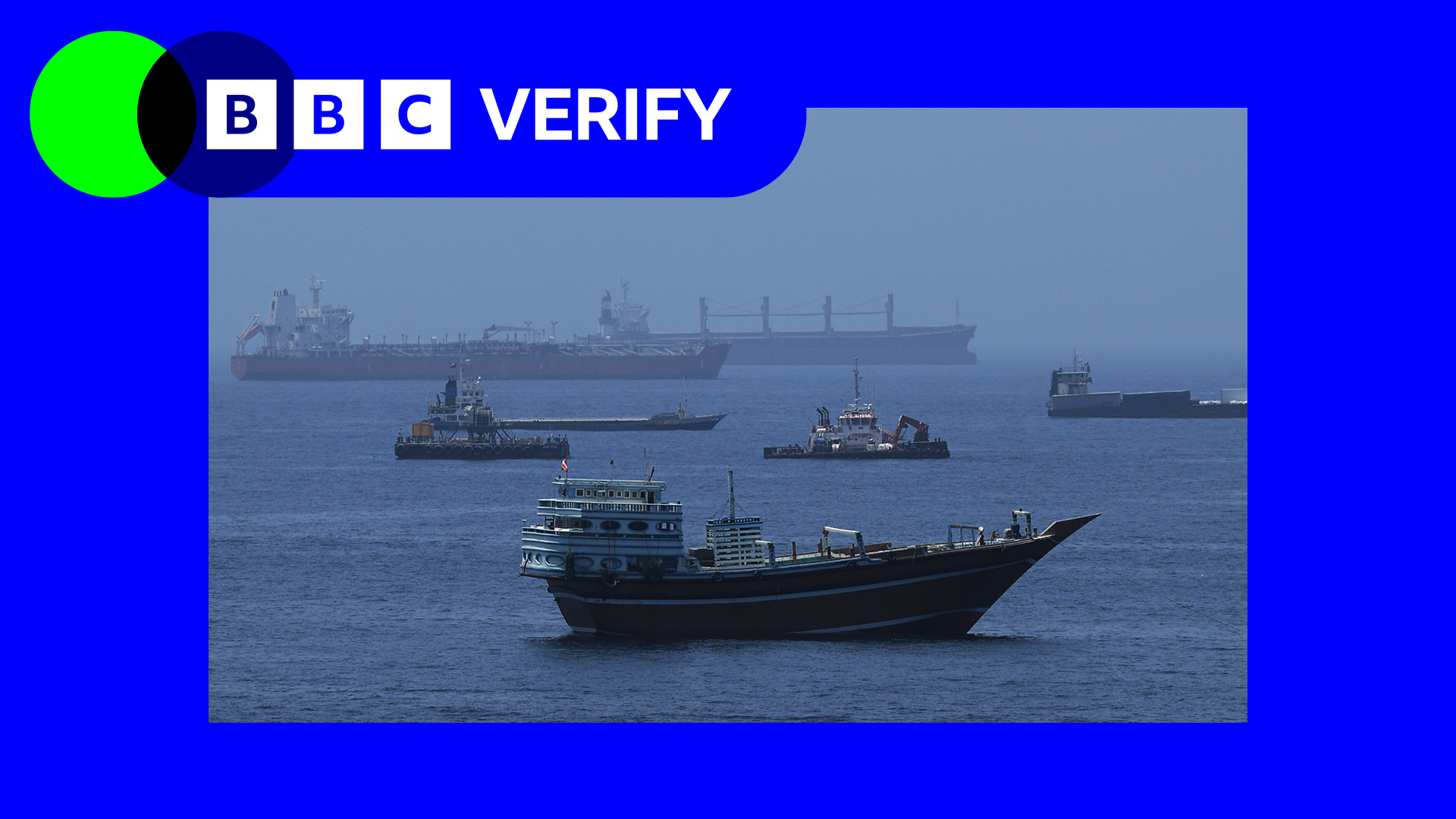
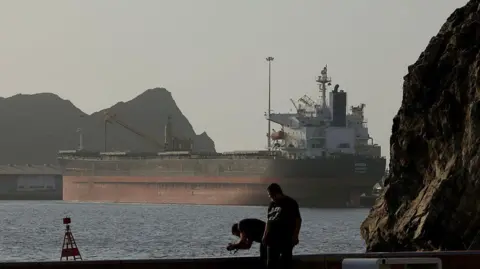
Egypt has been significantly affected by the regional conflict and the resulting blockade of the Strait of Hormuz, a major shipping route for oil and liquefied natural gas.
Global oil prices have surged due to a near-total halt in supply through the Strait, raising concerns that essential goods such as food and medicine may soon be impacted.
Despite not being directly involved in the war, Egypt's heavy reliance on imported fuel has made the nation particularly susceptible to supply disruptions.
On Saturday, Egypt's Prime Minister Mostafa Madbouly revealed the country's petrol costs had surged from $1.2 billion in January to $2.5 billion in March.
However, hotels and tourist attractions have been exempt from the energy-saving initiatives, critical to Egypt's economy where tourism accounts for approximately 10% of GDP.
Nevertheless, hotels such as the Mariott and Cosmopolitan in Cairo have reported acquiring generators to maintain operations irrespective of these constraints.
Essential workers, including those in healthcare and education, will not be affected by the shift to home working for most employees.
The geopolitical tension has disrupted usual traffic through the Strait of Hormuz, where around 20% of the world's oil supply typically passes, prompting concern from global leaders about shipping security.
In response to the strain on public finances, the Egyptian government has increased petrol prices and fares for public transport as part of their strategy to address the economic repercussions of the conflict.
The government is also considering slowing large, energy-intensive state projects and cutting fuel allowances for government vehicles by nearly a third.