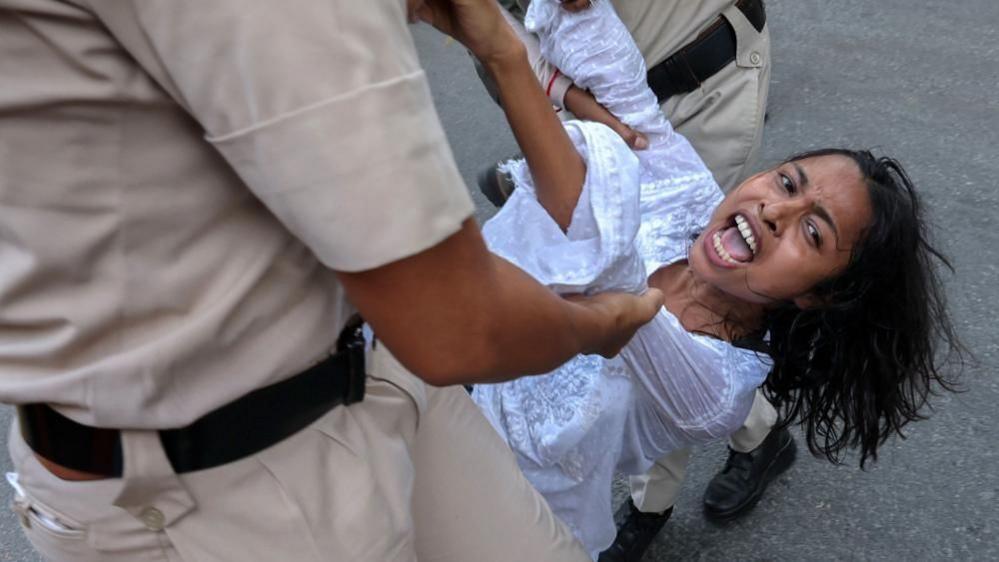
Delhi Police detained several opposition MPs as they attempted to march to the Election Commission headquarters, demanding the resignation of Chief Election Commissioner Gyanesh Kumar over a controversial voter‑roll revision.
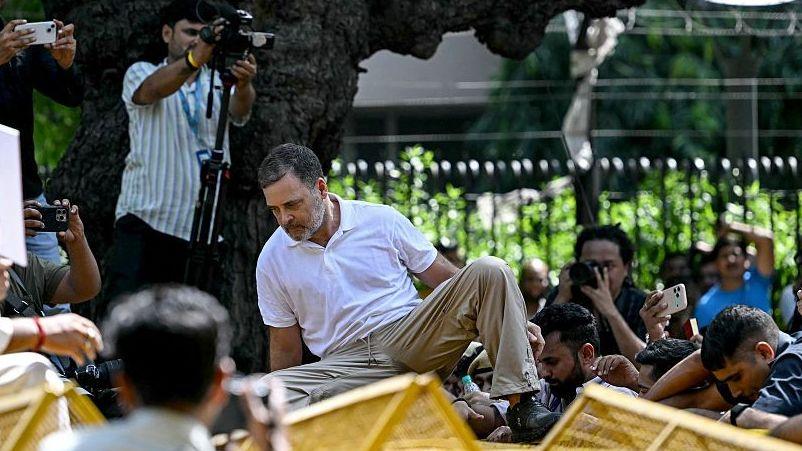
Led by Congress’s Rahul Gandhi and his sister Priyanka, the protest involved 237 MPs from a range of opposition parties. The demonstrators were forced onto police buses and temporarily released, only to resume their march and set up a sit‑in near the Commission’s office.
The unrest comes amid allegations that the Election Commission’s Special Intensive Revision (SIR) of electoral rolls, begun in June 2025, has removed more than 130 million names, including those of eligible voters, in a process critics claim is manipulated to benefit the ruling BJP.
Opposition parties and activists have accused Gyanesh Kumar of overseeing an opaque and biased selection that may affect upcoming elections. The BJP and the Election Commission have denied these allegations, insisting the revisions are essential to eliminate duplicate and ineligible entries.
Police reports indicate that officers stationed along the route between Parliament and the Commission’s headquarters intercepted protesters, pulling them into buses at multiple points. While the number of MPs detained remains undisclosed, security officials said they were taken to different police stations.
Political reactions have intensified: Congress president Mallikarjun Kharge demanded Kumar’s resignation, the cancellation of the SIR exercise, and a return to paper‑ballot voting. Rahul Gandhi mocked the election chief in a tweet, calling his performance “done, bro.” BJP MP Sambit Patra described the protests as a sponsored attempt to undermine constitutional institutions.
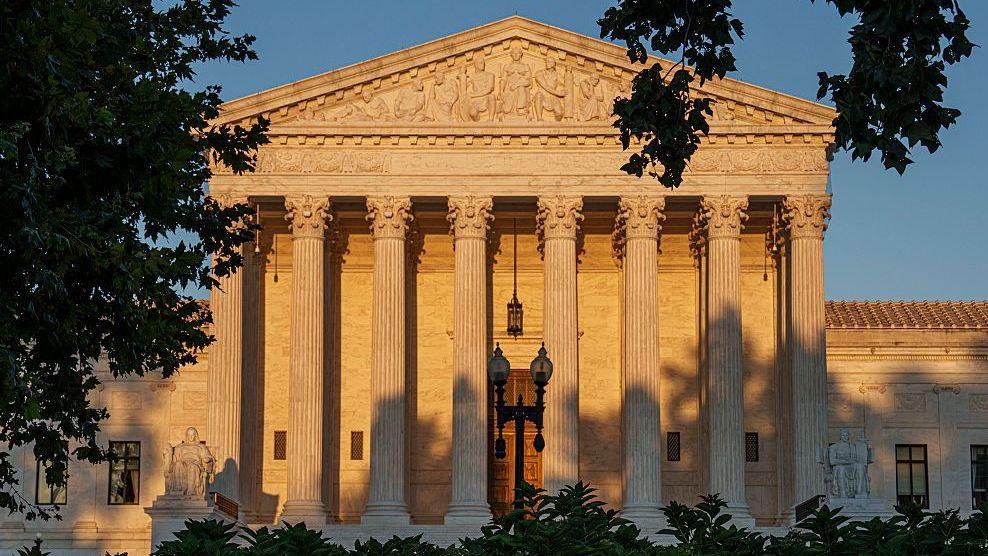
The Supreme Court has also entered the debate, requesting the federal government and the Election Commission to respond to a petition alleging that Kumar exercised powers that should be taken collectively by the Commission. The petition argues that Kumar’s unilateral decisions breach the requirement for unanimous or majority approval.
While the court declined to suspend Gyanesh Kumar at this stage, it warned that any actions bypassing the collective decision‑making process could be set aside. The contest highlights the fragility of India’s democratic institutions at a pivotal electoral juncture.