India’s Street Magicians on the Brink: A Vanishing Tradition
In a cramped Delhi apartment, 55‑year‑old Ishamuddin Khan still performs the rope trick that once sent crowds into frenzy. The trick, where a rope appears to rise out of the ground before a boy climbs it, was once dismissed as impossible until Khan mastered it in the mid‑1990s.
His career took off after a 1995 public debut outside Delhi’s Qutub Minar and a 1997 show before 30,000 people on a Karnataka beach. The rope spectacle earned him tours to Europe and Japan and a fleeting international celebrity aura.
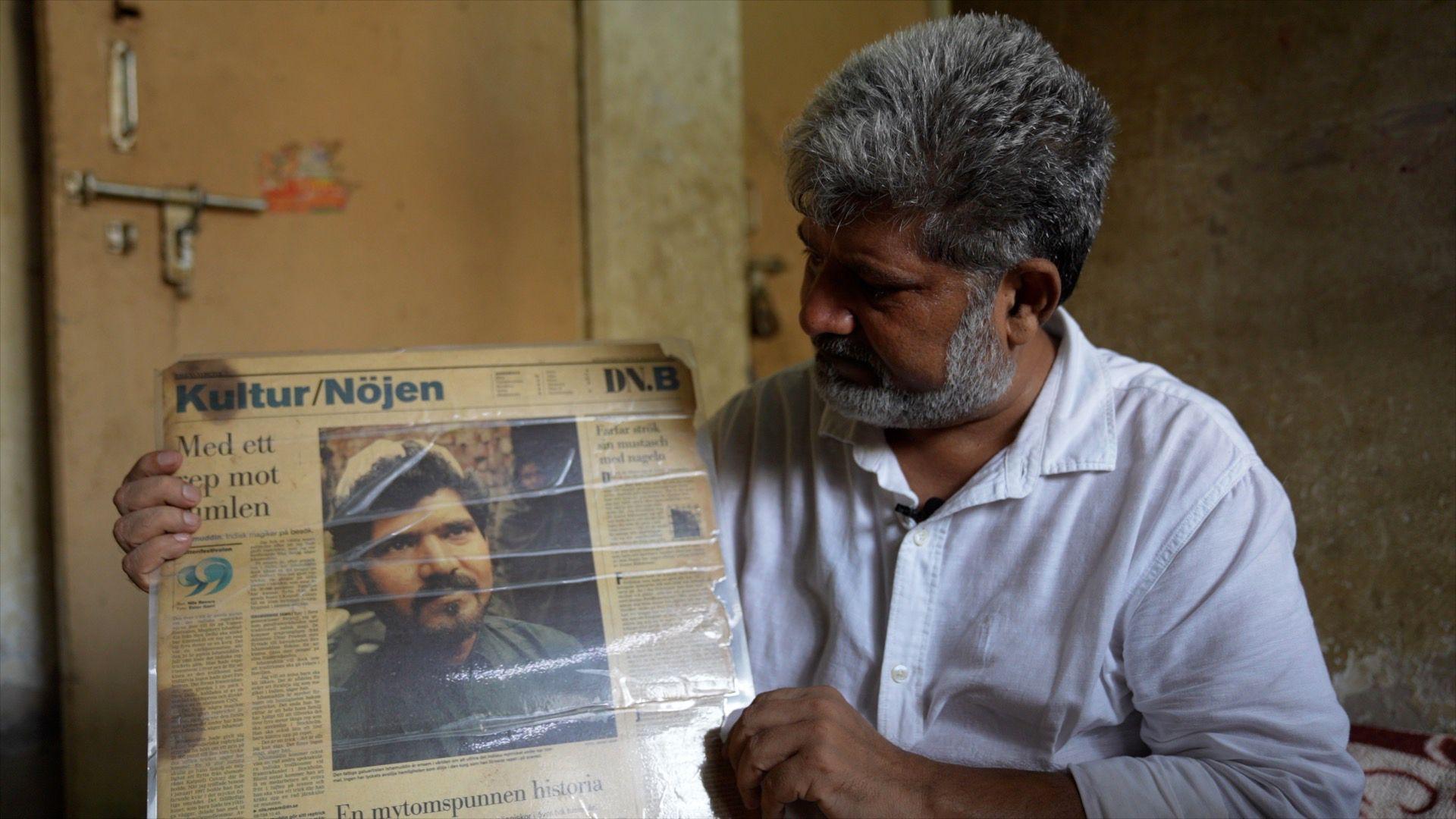
Now most of his time is spent looking at old photographs and newspaper clippings, and he describes street magic as “dying a slow death, on a ventilator.” That sentiment rings true beyond his own experience.
Street performers—magicians, jugglers, puppeteers and acrobats—were once staples of busy city squares and village fairs. The Madari community, to whom Khan belongs, numbers only a few hundred families in Delhi and neighboring states, yet traces its roots back centuries.
Changing leisure habits, privatization of parks, and a surge in security alarms have made public performance venues scarce. Municipal rules and anti‑begging laws blur the line between voluntary tips and illegitimate solicitation, creating legal grey zones for performers.

The 2020 lockdown halted all public shows, pushing many artists back to villages where they rarely returned. Shahim Khan, 42, previously performed four shows a day for 1,200 rupees; today he manages two shows a day, earning only 400 rupees.
Even enthusiastic pioneers like Khan’s son Altamash, who performed with him in his teens, have turned to unrelated side jobs such as party décor and inexpensive street art, fearing that the art form will not survive without a new generation.
The decline is not only economic; it threatens the very fabric of a cultural heritage that has been passed orally and practically through families for generations. If no one learns the rope trick or the juggling routine, they may vanish forever.
The story of Ishamuddin Khan highlights a broader cultural crisis: as India’s urban landscapes evolve, the invisible arts of the street are increasingly marginalized, risking loss of a unique, living tradition.