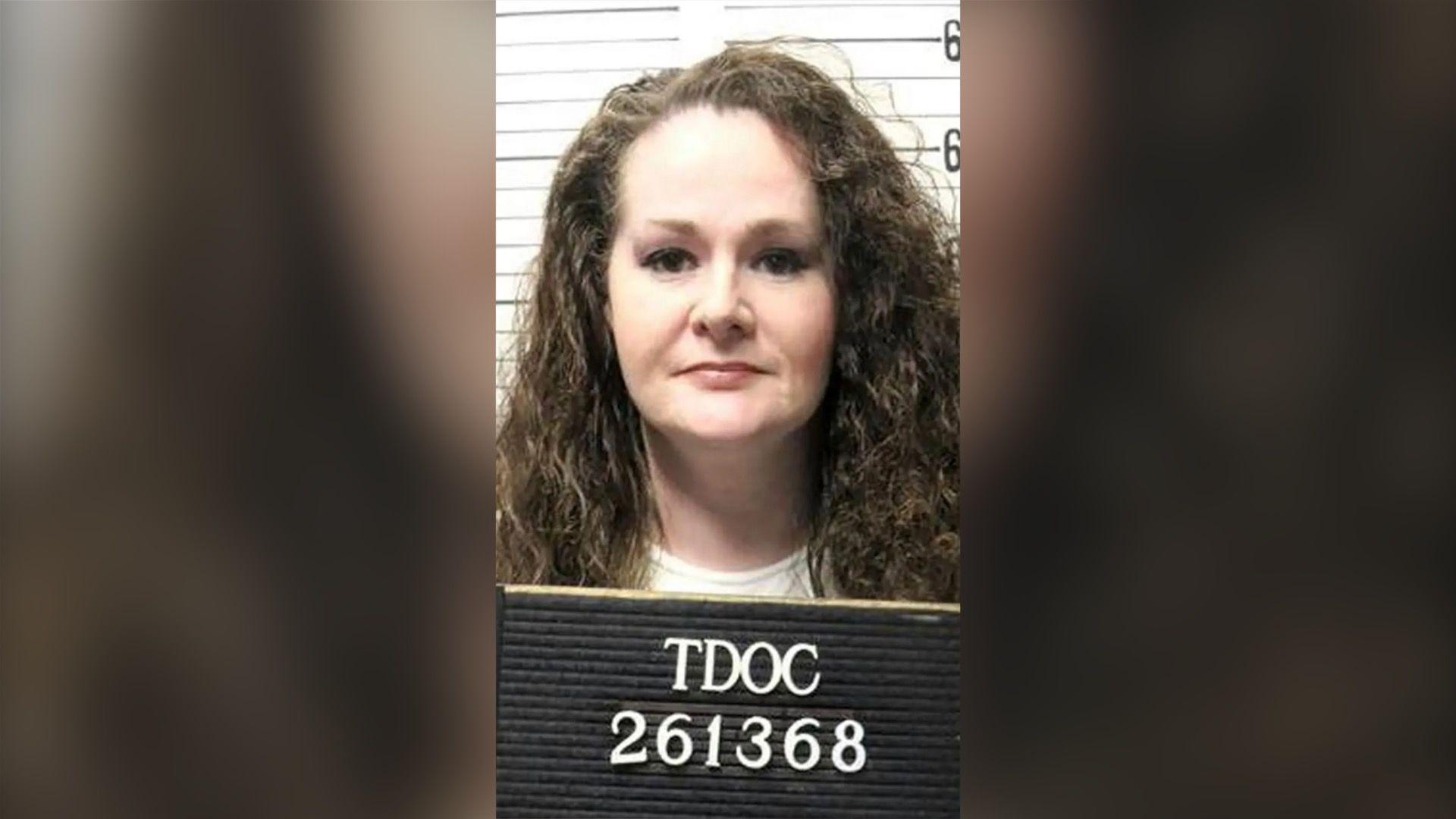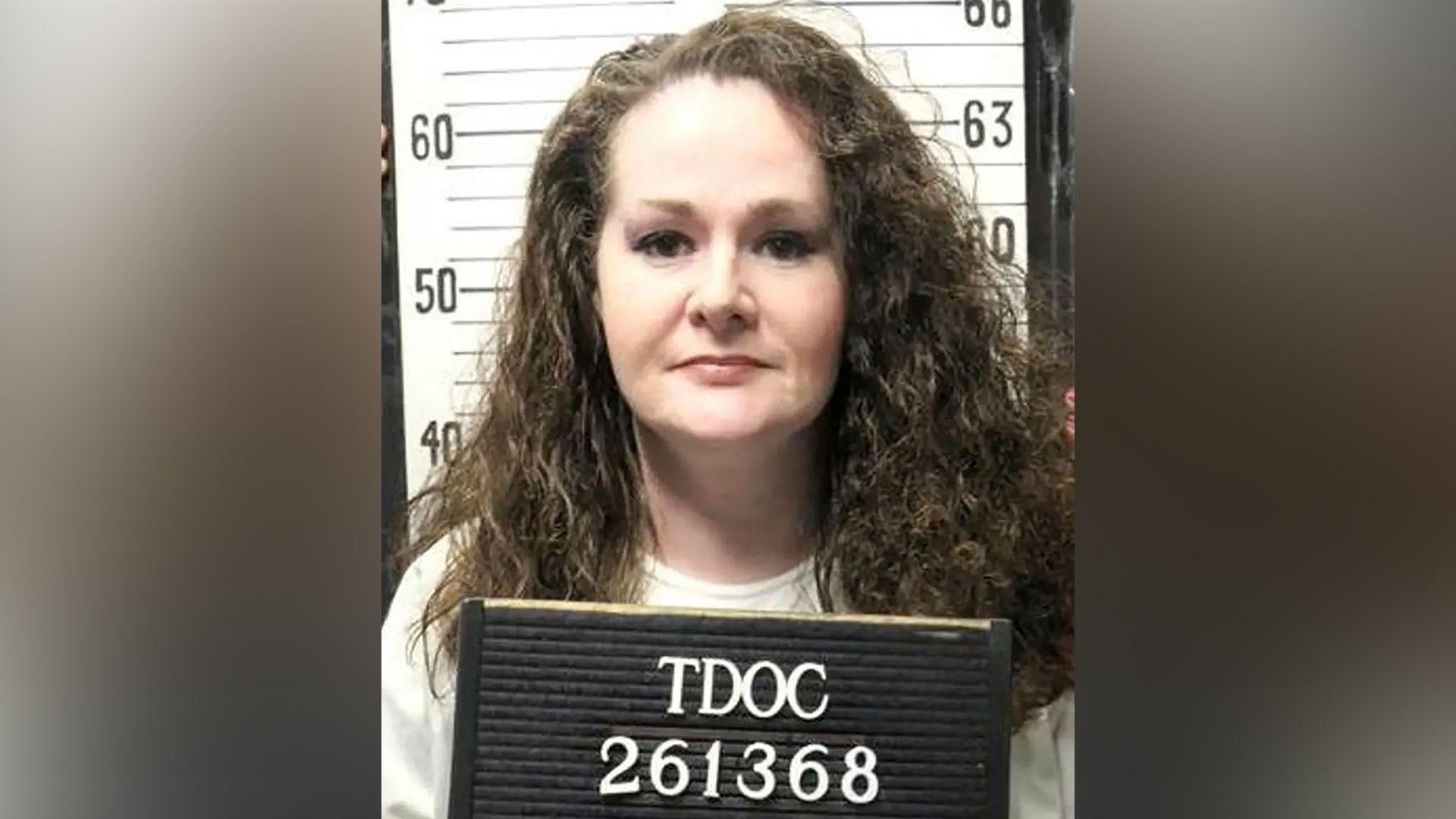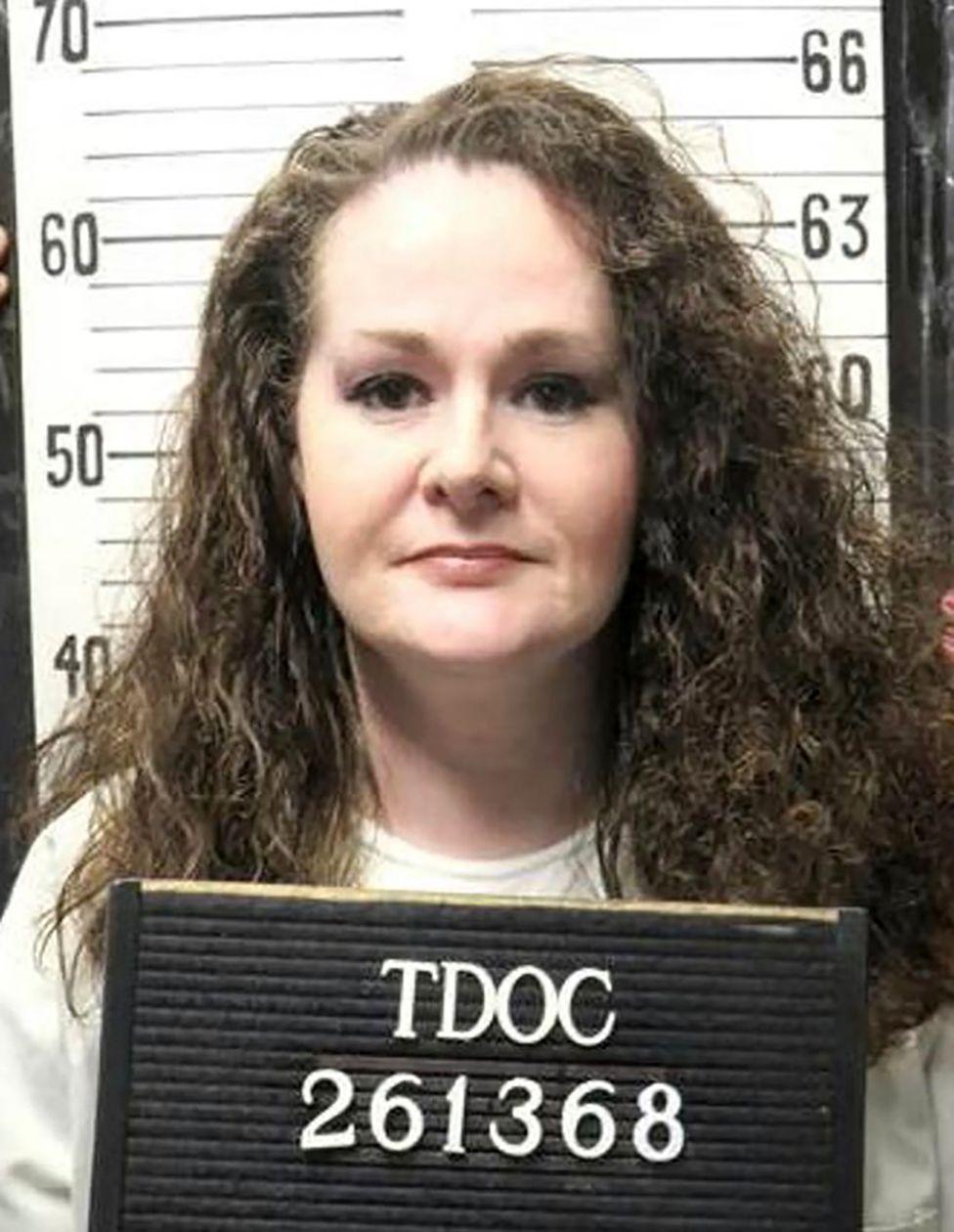
US death row inmate Christa Pike is spending the night in hospital after Tennessee authorities failed to execute her by lethal injection.
Christa Pike, 50, was convicted of murdering a 19‑year‑old victim, Colleen Slemmer, in 1996 and was scheduled for execution on Tuesday evening.
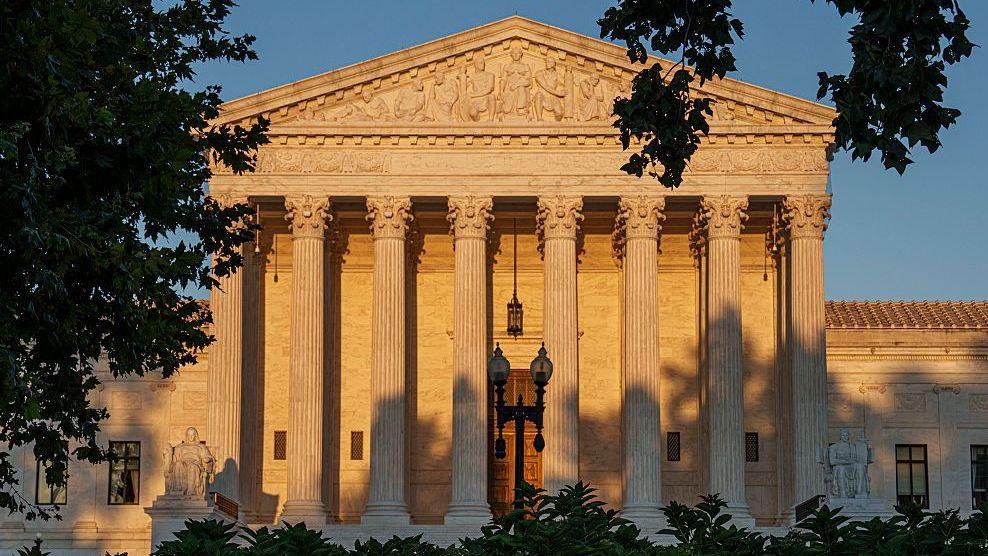
At the last minute the U.S. Supreme Court revived an earlier challenge, allowing the injection to proceed, but the two doses of pentobarbital failed to stop her heart, leaving her still alive.
Doctors later described the procedure as “botched” and praised the state for providing life‑saving measures, with Pike now moving to an off‑site hospital.
What Happens Next?
The Tennessee Department of Correction said no further injections would be administered without a new protocol, while Governor Bill Lee ordered an independent review.
Pike’s legal team noted that the drug may have been degraded and medical experts suspect the blood level never reached lethal levels.
Legal and Human‑Rights Concerns
Opponents of the death penalty seized on the incident to highlight the pain and uncertainty of lethal injections.
Reprieve chief Maya Foa warned that secrecy in the execution process makes it impossible to judge whether the state has complied with humane standards.
Where This Fits Into the Broader Story
Botched executions are not new to Tennessee; earlier this year the state postponed a lethal injection for a prisoner named Tony Carruthers when a vein could not be located.
National statistics show that lethal injection has the highest failure rate among U.S. execution methods, with more than a third of executions in 2022 reported as problematic.
Federal policy under President Biden banned the use of pentobarbital for executions, yet state courts continue to permit its use, a practice now under renewed scrutiny.
As the case moves into an official review, many are watching to see whether a second attempt will be made or whether the state will halt executions for the remainder of the year.