India’s civil service, a vast army of thousands of officials who manage everyday government functions, has a few members who step into the national spotlight. When they enforce regulations and cut through red‑tape, the public applauds them as heroes.
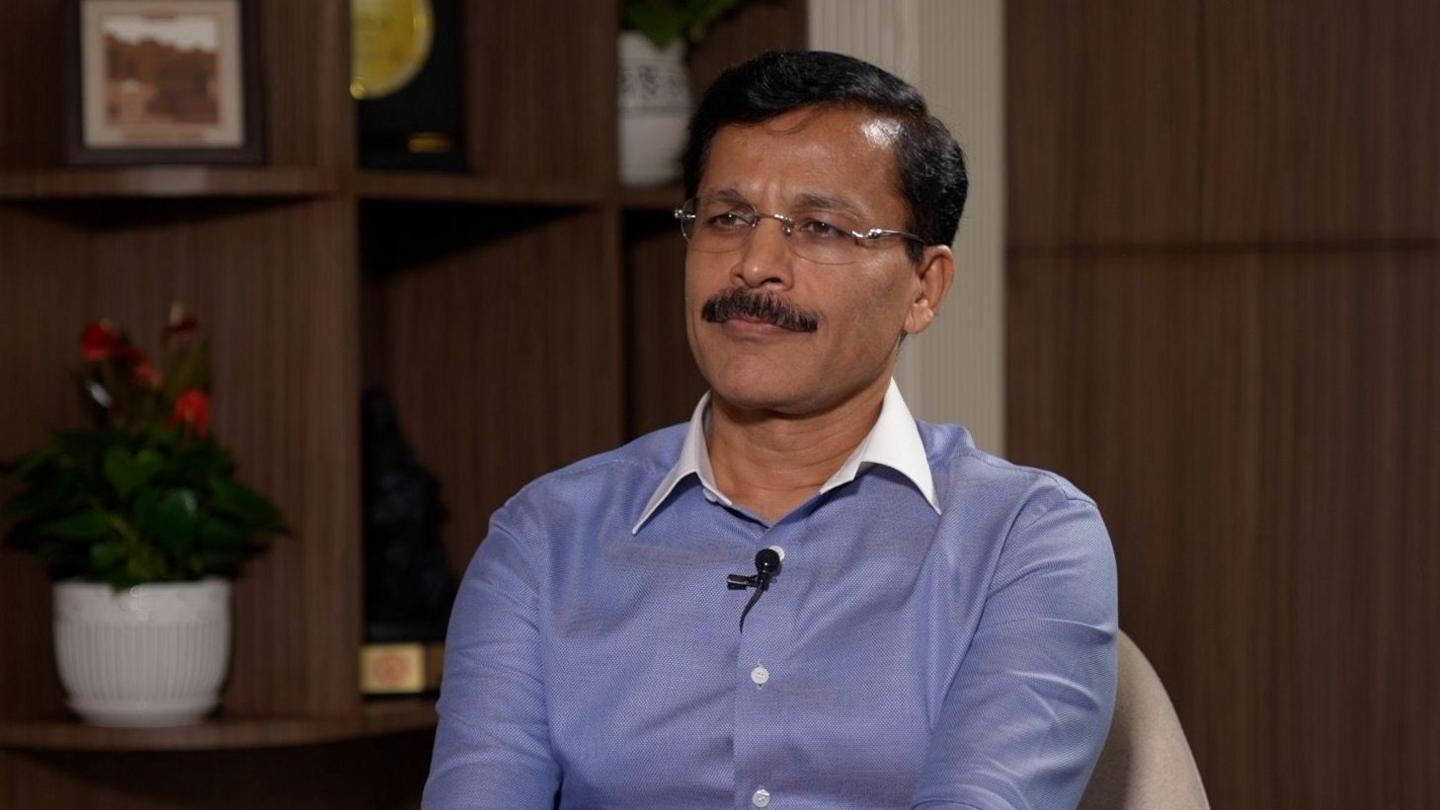
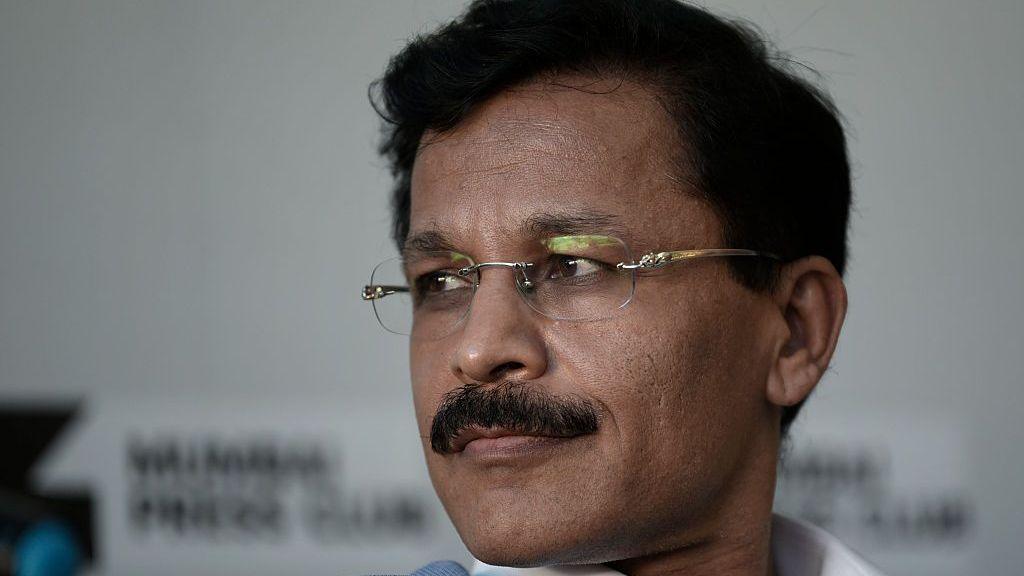
Tukaram Mundhe, 51, is one of these figures. Since taking over as Maharashtra’s Food and Drug Administration commissioner in May, he has led a series of high‑profile inspections of restaurants and food outlets, uncovering pest infestations, poor hygiene and expired goods. His camera‑captured footage of these raids went viral, with millions of views on social‑media platforms.
Mundhe has also highlighted the huge price gaps between hospitals’ purchases of medical supplies and what patients actually pay, a move that earned him both praise from the public and backlash from the hospitality industry. He maintains that his investigations are evidence‑driven and that licences are suspended only in serious cases.
Not alone in this trend, officials across India such as district town planner RS Batth in Gurugram have won acclaim for dismantling illegal encroachments, and former Election Commissioner T.N. Seshan famous for his strict rule enforcement in the 1990s. Kiran Bedi, India's first female IPS officer, earned the nickname “Crane Bedi” in the 1980s for her firm actions against indiscipline.
Why do these officers stand out? 23 year‑old computer science law professor, Shreya Singh, explains that in a country where citizens routinely face delays, bribery and a sluggish bureaucracy, efficient public service stands out as an exception. “The habit of slowness has become so ingrained that when a bureaucrat works swiftly and transparently, it feels almost heroic,” she says.
The elevation of such officials comes with its own challenges. Critics argue that tough enforcement can overlook ground realities, especially where people depend on illegal street stalls for a living. Policy analyst Pushpa Sundar warns that bureaucrats risk political retaliation when they refuse to bend to demands. “They have families and future postings to consider; stepping into the spotlight can cost them politically and personally,” she says.
Institutional backing is lacking: many senior civil servants “have had to fight on their own” when refusing to carry out illicit orders. Former district magistrate Kamal Kant Jaswal recalls an incident in 1974 when he declined a minister’s request to speed up election procedures, only to later face transfer orders.
The surge in public admiration is also fueled by digital visibility. A single inspection video can now reach millions within hours, turning a routine raid into a nationwide talking point. The viral nature of such content demonstrates how the public can rally behind transparent governance in real time.
Ultimately, the rise of these “bureaucratic heroes” showcases India’s growing appetite for accountability and efficiency. While the government’s structural reforms lag, the public’s demand for visible, rule‑based service delivery is louder than ever. The next wave of civic engagement might well see more officials stepping into the spotlight, backed by stronger institutional safeguards and the power of social media to shape perceptions.