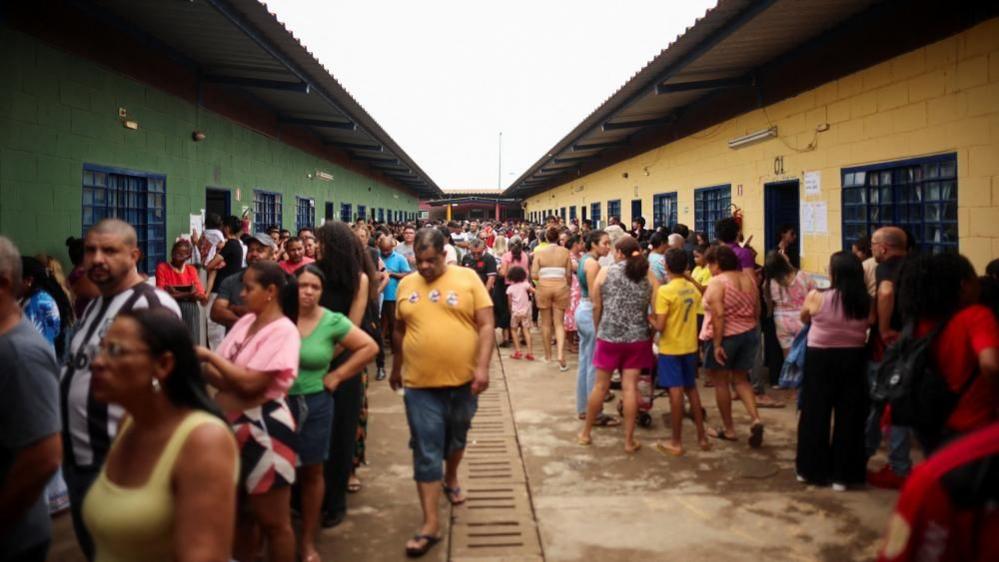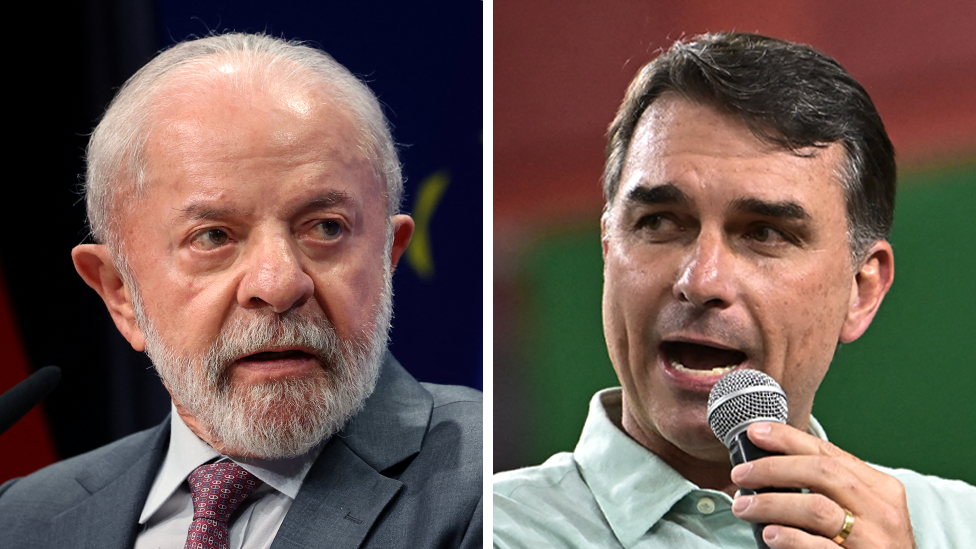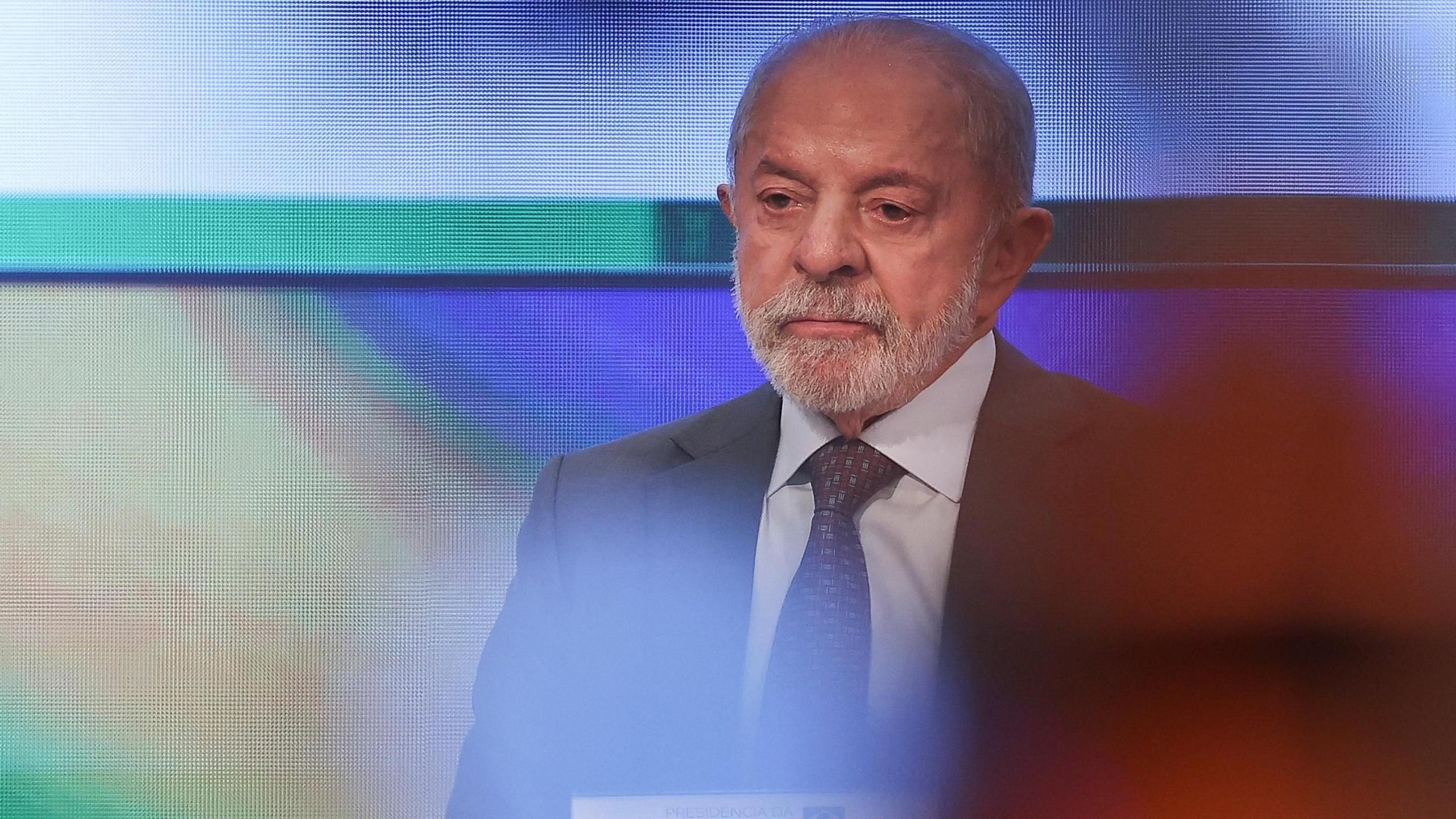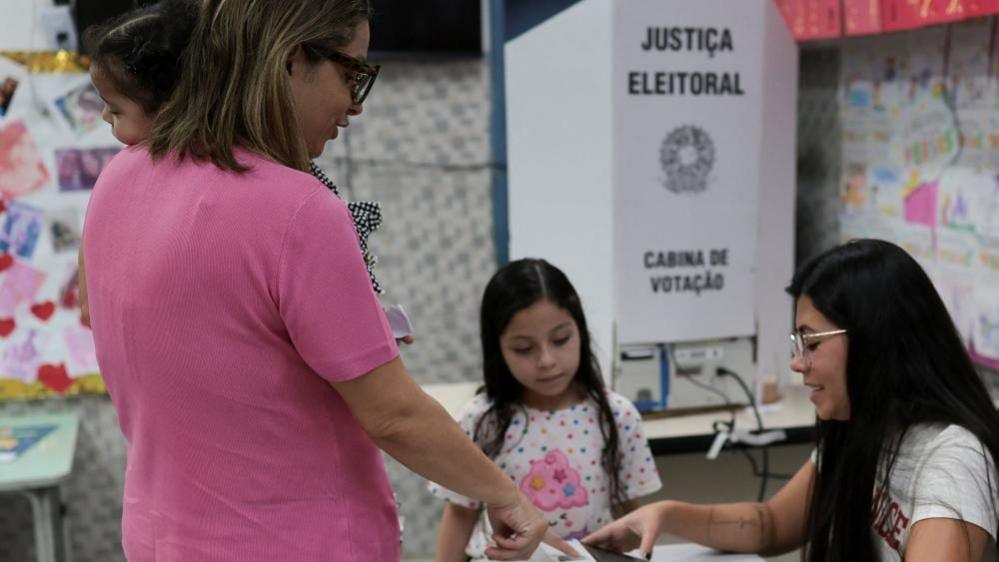
Brazil’s general election has landed in the hands of the right‑wing. On Sunday night, Flávio Bolsonaro captured 47% of the vote, narrowly eclipsing his opponent, 80‑year‑old President Luiz Inácio Lula da Silva’s 45% share. The win gives Bolsonaro a decisive lead but falls short of the 50% threshold, forcing a runoff on 25 October against Lula.
Bolsonaro’s boost comes from the Liberal Party’s strong performance across the country, giving the party a coalition of governors, senators and federal deputies that will likely shape Brazil’s congressional agenda. The contest has polarized voters on issues such as sovereignty, crime, the economy and corruption, with Bolsonaro backing state‑controlled policing and declaring a public‑debt ceiling, while Lula pledges to deepen social safety nets and accelerate poverty‑reduction programmes such as Bolsa Família.
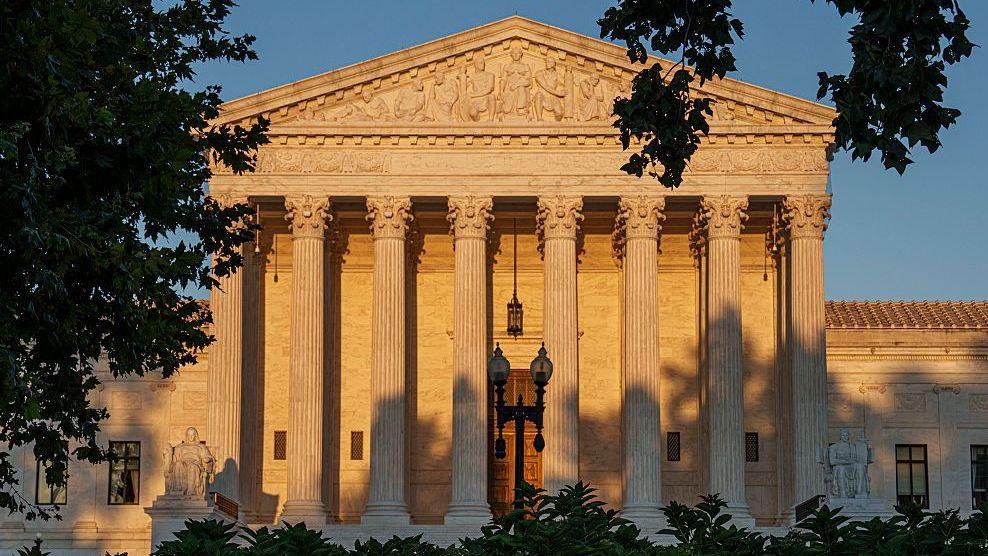
The campaign has been steeped in a past scandal involving former banker Daniel Vorcaro and allegations that both candidates have sought support from powerful oligarchs. The Supreme Court judge Alexandre de Moraes, who has tackled the case against Jair Bolsonaro, remains a core figure in the judiciary debate surrounding the election.
The election also underscored Brazil’s complicated relationship with the United States. While Lula has highlighted government sovereignty and rebuked US interference, Bolsonaro has historically aligned with the US on issues ranging from anti‑gang legislation to economic sanctions against Brazil. A win for Bolsonaro would likely dovetail Brazil’s ambitions with the US‑led “Shield of Americas” coalition against narco‑trafficking, potentially tightening the economic and security corridor between the two capitals.
Both parties now eye the runoff. Bolsonaro predicts a decisive victory, citing his ability to mobilise evangelical and suburban voters. Lula, meanwhile, frames the race as a referendum on democracy versus “barbarism,” promising to steer Brazil toward a more inclusive, socially‑just future if elected again. The eyes of Latin America are fixed on this showdown, as many neighbouring countries are projecting similar right‑wing trends that could reshape the region’s geopolitical map.