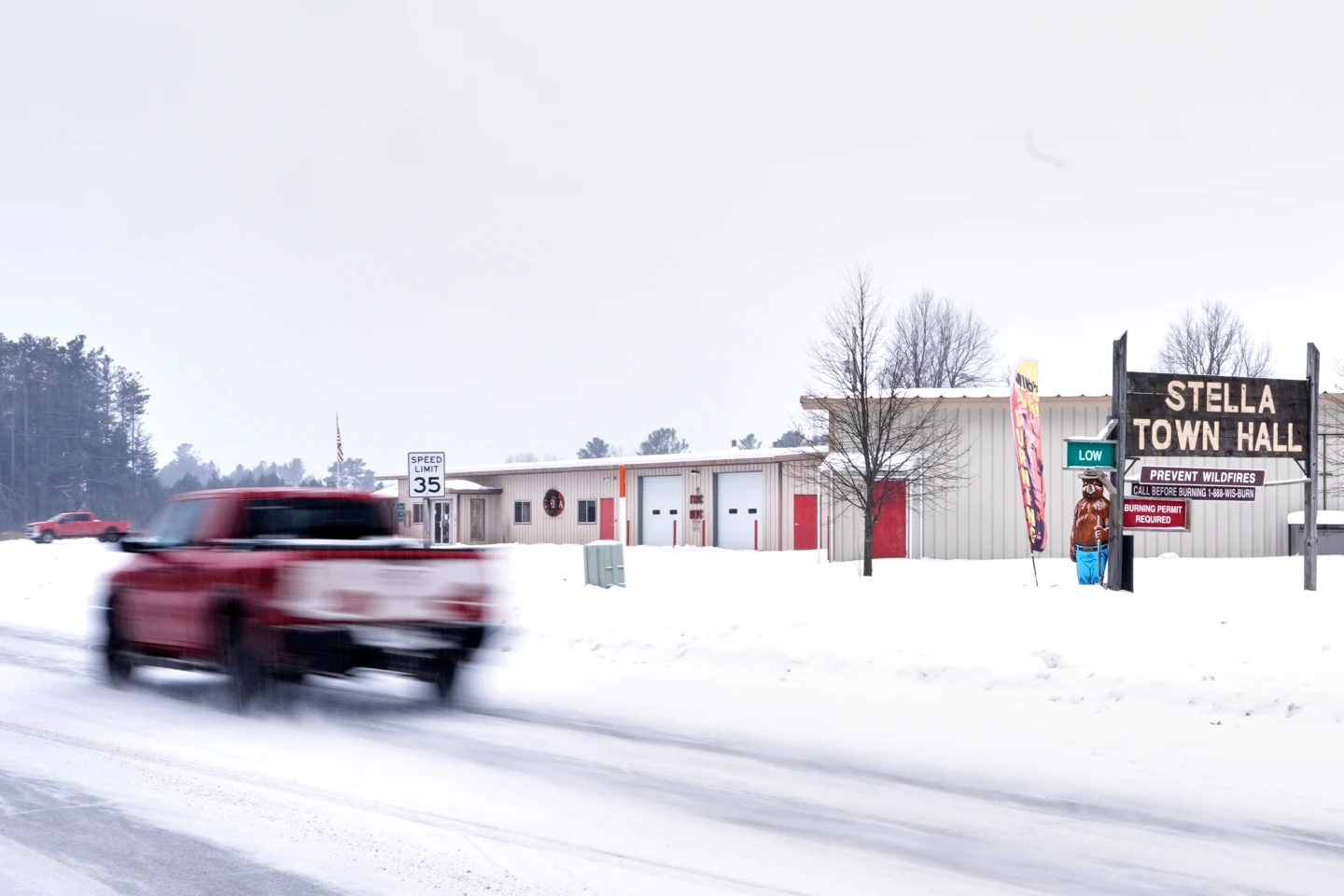
STELLA, Wis. — Kristen Hanneman made a small decision in 2022 that would upend life for her entire town. State scientists were checking private drinking water wells across Wisconsin for a family of harmful chemicals called PFAS. They mailed an offer to test the well outside her tidy farmhouse surrounded by potato farms cut out of dense forest. Without much thought, she accepted.
Months later, Hanneman found herself on the phone with a state toxicologist who told her to stop drinking the water — now. The well her three kids grew up on had levels thousands of times higher than federal drinking water limits for what are commonly known as forever chemicals.
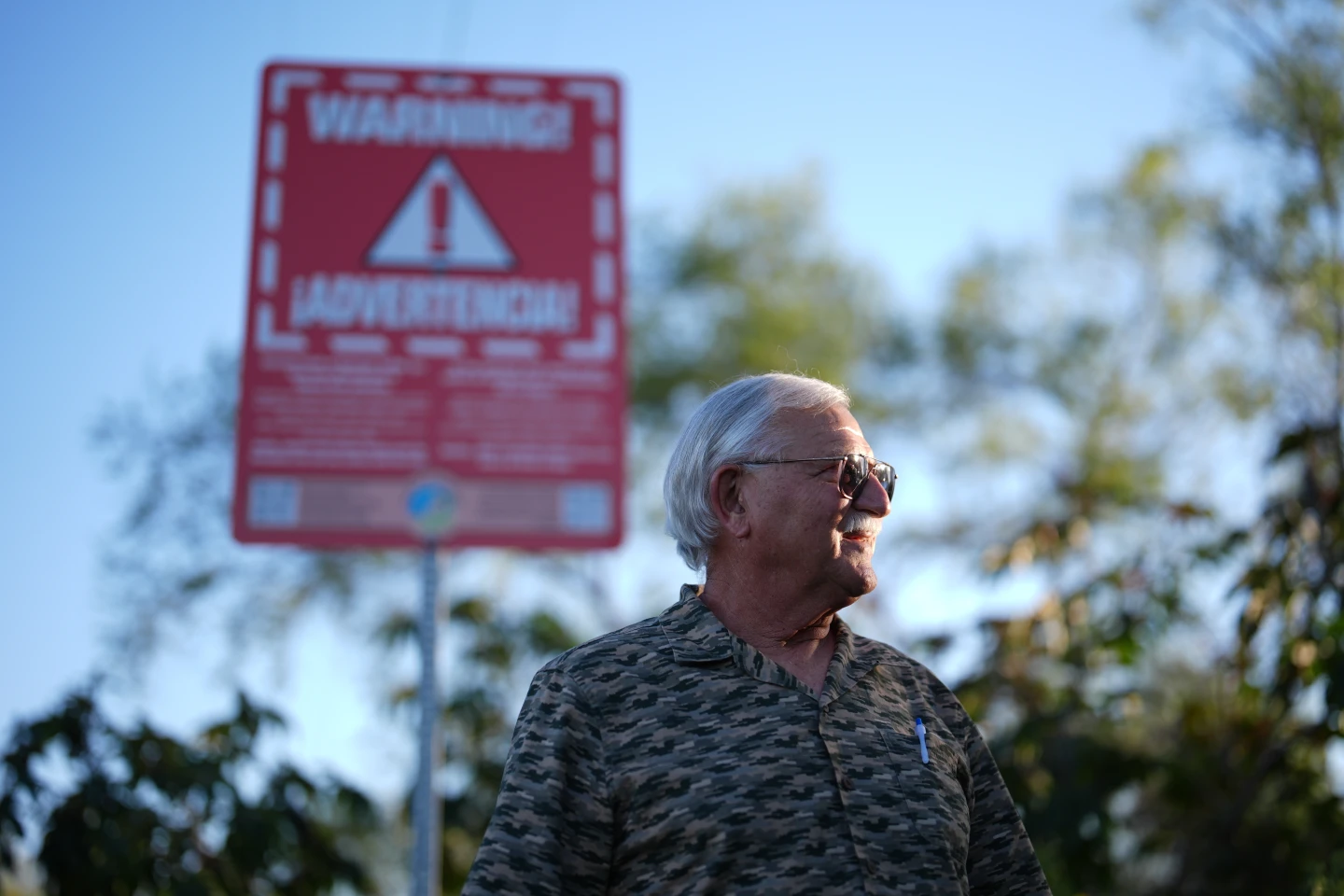
Hanneman’s well was hardly the only one with a problem. And the chemicals were everywhere. Pristine lakes and superb hunting made Stella a sportsman’s dream. Now officials say the fish and deer should be eaten sparingly or not at all.
Many residents here have known their neighbors for decades. If they want to move away from all this, it’s hard to sell their property – who, after all, would want to buy?
“Had I just thrown that survey in the garbage,” Hanneman said, “would any of this be where it is today?”
Stella is far from the only community near industrial sites and military bases nationwide where enormous amounts of PFAS have contaminated the landscape, posing a particular threat to nearby well owners. Forever chemicals get their name because they resist breaking down, whether in well water or the environment. In the human body, they accumulate in the liver, kidneys, and blood. Research has linked them to an increased risk of certain cancers and developmental delays in children.
Government estimates suggest as much as half of U.S. households have some level of PFAS in their water — whether it comes from a private well or a tap. But while federal officials have put strict limits on water provided by utilities, those rules don’t apply to the roughly 40 million people in the United States who rely on private drinking water wells. Short of a random test, as in Stella, few may learn their water is tainted with the odorless, colorless chemicals.
At least 20 states do not test private wells for PFAS outside of areas where problems are already suspected, according to a survey of state agencies. Even in states that do, residents often wait years for help and receive far fewer resources than people tied into municipal tap water.
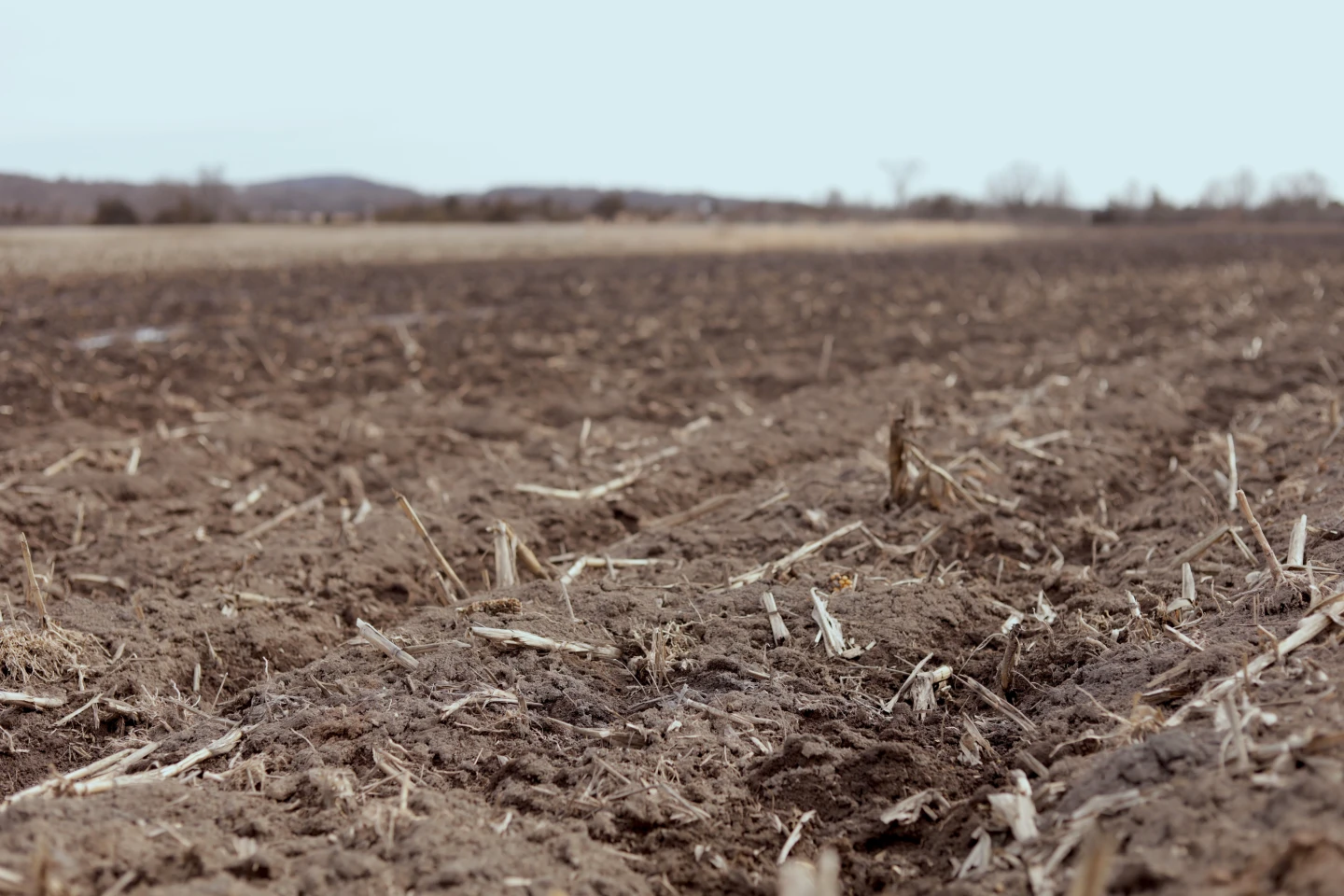
In September, the state sent initial letters assigning cleanup and investigation responsibilities to current and former owners of a nearby paper mill linked to the contamination. The mill’s waste sludge — spread across agricultural fields — is believed to have introduced PFAS into the groundwater.
The crisis sparked by the test of her own well drove Hanneman to run for a town leadership role. She spent months learning about the dangers of PFAS, then relaying that knowledge. It’s a town so small that talking to a few of the right people would spread the word to just about everyone.
It’s been more than three years since Hanneman learned her well had PFAS levels near 11,500 parts per trillion, well above any safe limit. The family currently drinks and cooks with bottled water provided by the state. “Groundwater does not follow lines drawn on a map,” a local resident said.
The situation in Stella serves as a cautionary tale for other communities grappling with similar issues, highlighting the long-term effects of industrial contamination and the need for robust public health responses.
Months later, Hanneman found herself on the phone with a state toxicologist who told her to stop drinking the water — now. The well her three kids grew up on had levels thousands of times higher than federal drinking water limits for what are commonly known as forever chemicals.
Hanneman’s well was hardly the only one with a problem. And the chemicals were everywhere. Pristine lakes and superb hunting made Stella a sportsman’s dream. Now officials say the fish and deer should be eaten sparingly or not at all.
Many residents here have known their neighbors for decades. If they want to move away from all this, it’s hard to sell their property – who, after all, would want to buy?
“Had I just thrown that survey in the garbage,” Hanneman said, “would any of this be where it is today?”
Stella is far from the only community near industrial sites and military bases nationwide where enormous amounts of PFAS have contaminated the landscape, posing a particular threat to nearby well owners. Forever chemicals get their name because they resist breaking down, whether in well water or the environment. In the human body, they accumulate in the liver, kidneys, and blood. Research has linked them to an increased risk of certain cancers and developmental delays in children.
Government estimates suggest as much as half of U.S. households have some level of PFAS in their water — whether it comes from a private well or a tap. But while federal officials have put strict limits on water provided by utilities, those rules don’t apply to the roughly 40 million people in the United States who rely on private drinking water wells. Short of a random test, as in Stella, few may learn their water is tainted with the odorless, colorless chemicals.
At least 20 states do not test private wells for PFAS outside of areas where problems are already suspected, according to a survey of state agencies. Even in states that do, residents often wait years for help and receive far fewer resources than people tied into municipal tap water.
In September, the state sent initial letters assigning cleanup and investigation responsibilities to current and former owners of a nearby paper mill linked to the contamination. The mill’s waste sludge — spread across agricultural fields — is believed to have introduced PFAS into the groundwater.
The crisis sparked by the test of her own well drove Hanneman to run for a town leadership role. She spent months learning about the dangers of PFAS, then relaying that knowledge. It’s a town so small that talking to a few of the right people would spread the word to just about everyone.
It’s been more than three years since Hanneman learned her well had PFAS levels near 11,500 parts per trillion, well above any safe limit. The family currently drinks and cooks with bottled water provided by the state. “Groundwater does not follow lines drawn on a map,” a local resident said.
The situation in Stella serves as a cautionary tale for other communities grappling with similar issues, highlighting the long-term effects of industrial contamination and the need for robust public health responses.