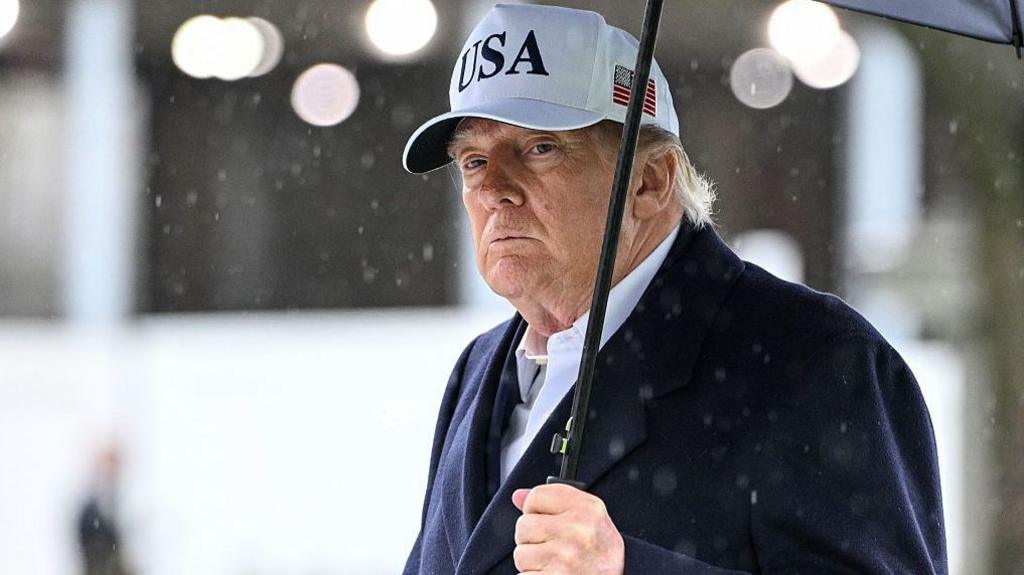
On Tuesday, President Donald Trump hosted a gathering of America’s most influential tech giants in the White House East Room, calling the event an "extraordinary gathering of the minds" that will help build the country’s Golden Age.
The guest list read like a who’s‑who of the AI sector, featuring the CEOs and founders of OpenAI, Anthropic, Nvidia, SpaceX, Meta and Google.
In the days leading up to the summit, industry experts and civil‑society groups had urged tighter oversight of AI technology, warning that the potential harms were too great to rely on voluntary safeguards alone.
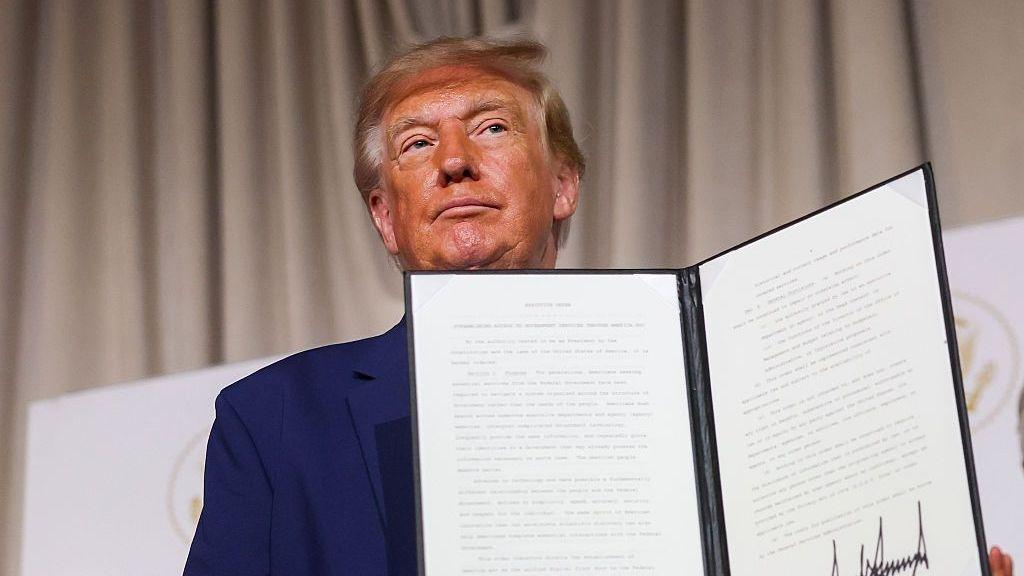
During the closed‑door meeting, the tech leaders signed a document that Trump described as a "morally binding" pact. The agreement commits each company to ensure the safety of its own technology, to build safeguards that keep models operating as intended, and to respond rapidly to problems. It also establishes the use of independent auditors who will check that the AI systems are faithful to their design and do not access systems in unintended ways.
The document was signed by a roster of power players – Google’s Sundar Pichai, Anthropic’s Dario Amodei, Meta’s Mark Zuckerberg, OpenAI’s Greg Brockman, SpaceX’s Elon Musk and Nvidia’s Jensen Huang – as well as the President himself, who called the pact "almost like a constitution".
After the signing, Trump announced plans to create a federal board to oversee the safety of AI tools, though he did not yet name any members.
Not all experts are convinced the pact will keep AI safe. A researcher from Nanyang Technological University said the agreement only shows an emerging consensus and, without enforceable penalties, it remains ineffective. A law professor from the University of Sydney called the pact “deeply unimpressive” and warned that the companies are free to define what counts as safety without external accountability.
Backed by Trump’s signature, the summit also highlighted a push to expand data‑centre infrastructure. The President defended the rapid build‑out of data‑centres as essential for AI, noting a recent poll that found 65% of voters oppose new centers in their area. In response, Trump promised that tech firms would work to make the public happy with the constructions, describing the units as “super intelligence factories” that will reindustrialise the United States and create jobs.
Adding to the waves created at the summit, Trump signed an executive order that will rename all official references to AI as “Super Intelligence” (SI). The order mandates that federal departments, agencies and websites use the new terminology in place of the term artificial intelligence in all future communications.
During a speech to the United Nations General Assembly, Trump said that using the word "artificial" made the technology sound fake. Some U.S. tech leaders, like Zuckerberg and Musk, have already begun adopting the new term, but experts remain cautious about its long‑term adoption on a global scale.
At the close of the summit, Trump and his tech guests reflected on the potential for AI to reshape the country, yet critics warned that without robust enforcement, the pact may serve more as a public relations exercise than a genuine safeguard for the future.