Putin Unshaken: Russia Fortifies Its Ranks as War Persists
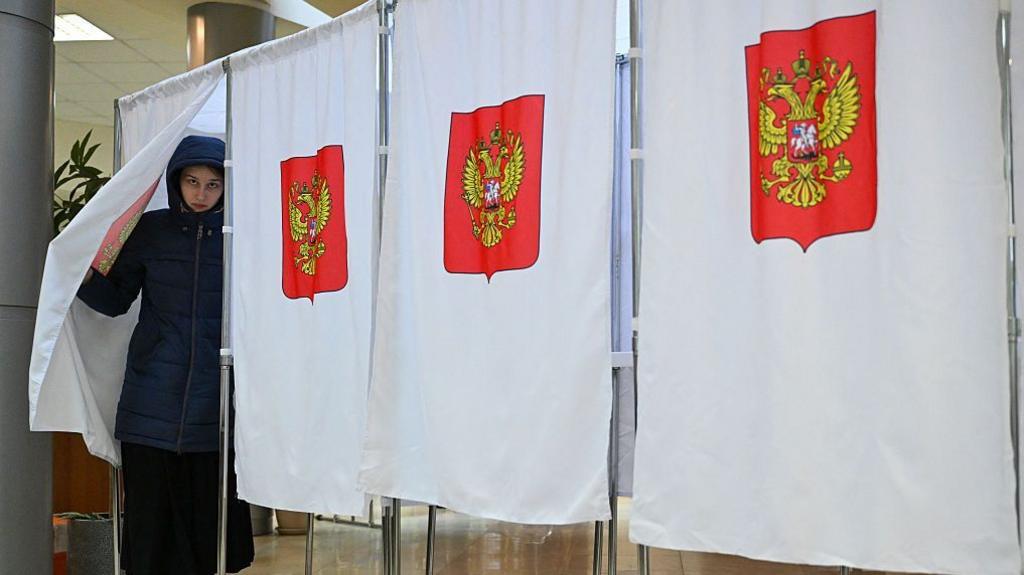
When Vladimir Putin arrived to address Russia’s parliament on Wednesday, he faced a guaranteed warm welcome. The so‑called "Special Election Operation" produced a State Duma that is more pro‑Putin than ever before, giving the Kremlin a huge mandate.
The ruling party, United Russia, has now won more MPs than at any previous election. The victory allows Moscow to claim the backing of the Russian people for its policy moves.
However, the critical question remains: does the new mandate signal a willingness to halt the war or a pledge to deepen Russia’s military campaign in Ukraine? The answer appears to lie in Putin’s upcoming address at the Valdai Discussion Club on Thursday.
Valdai is the annual forum that often gives insight into the president’s world view. Current indications point to a continued full‑scale invasion, even in light of significant battlefield losses and economic damage.
In recent comments, Russian foreign minister Sergei Lavrov has framed the war as a European campaign against Russia, accusing Europe of waging a hybrid war through cyberattacks and drone incursions. An explosive‑laden drone was recently found near Ukrainian cargo planes in Leipzig, Germany, illustrating the covert militaristic pressure Moscow seeks to apply on European states.
Lavrov urges that if Europe’s help for Ukraine continues, Russia will feel the need to counter‑escalate, potentially up to nuclear measures. This rhetoric, however, is balanced by Western fears that any nuclear escalation would trigger devastating repercussions.
Moscow’s strategy seems to focus on increasing pressure on Europe to cut off support for Kyiv rather than launching major new military operations on the continent. Yet the war so far shows no signs of ending quickly, and Russian leaders continue to justify their actions by depicting Ukraine as a neo‑Nazi state.
At the United Nations General Assembly, Lavrov denounced Western actions as “brute force” while asserting that Russia’s own tactics are driven by a need to eliminate a perceived threat. His comments underscore the persistent narrative that Russia is on the defensive.
Former senior official Sergei Karaganov, honorary chairman of Russia’s Council for Foreign and Defence Policy, warned that Europe’s continued support for Ukraine could prompt Russia to launch a conventional campaign that may even move toward nuclear strategy if refusal persists.
Karaganov’s threat of nuclear escalation appears, for now, more rhetorical; still, it signals that the Kremlin remains fully committed to employing extreme leverage to achieve its objectives.
The international community will keenly monitor the outcome of Putin’s Valdai address to gauge whether Russia’s stance will change or further harden the conflict in Ukraine and beyond.