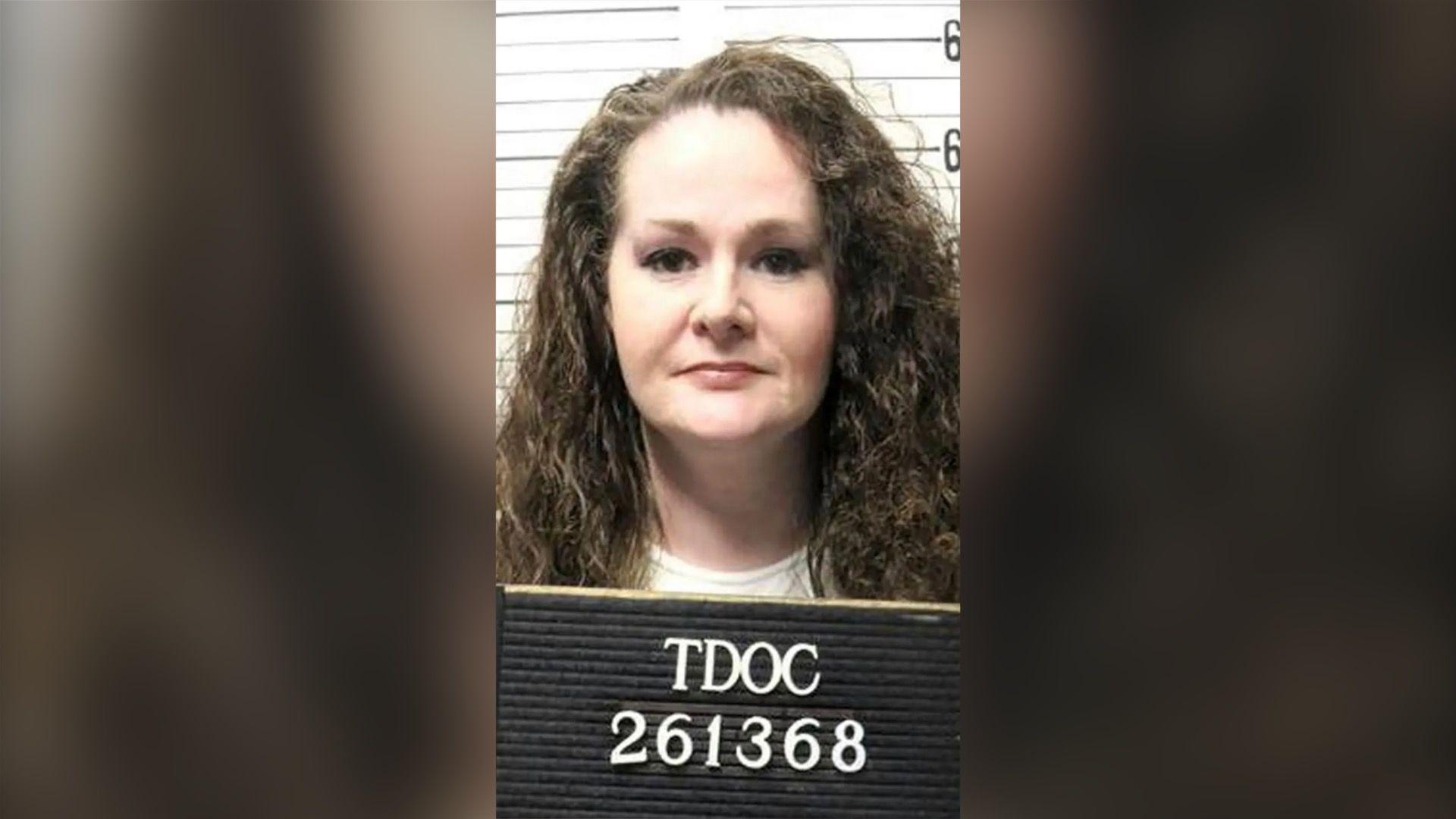
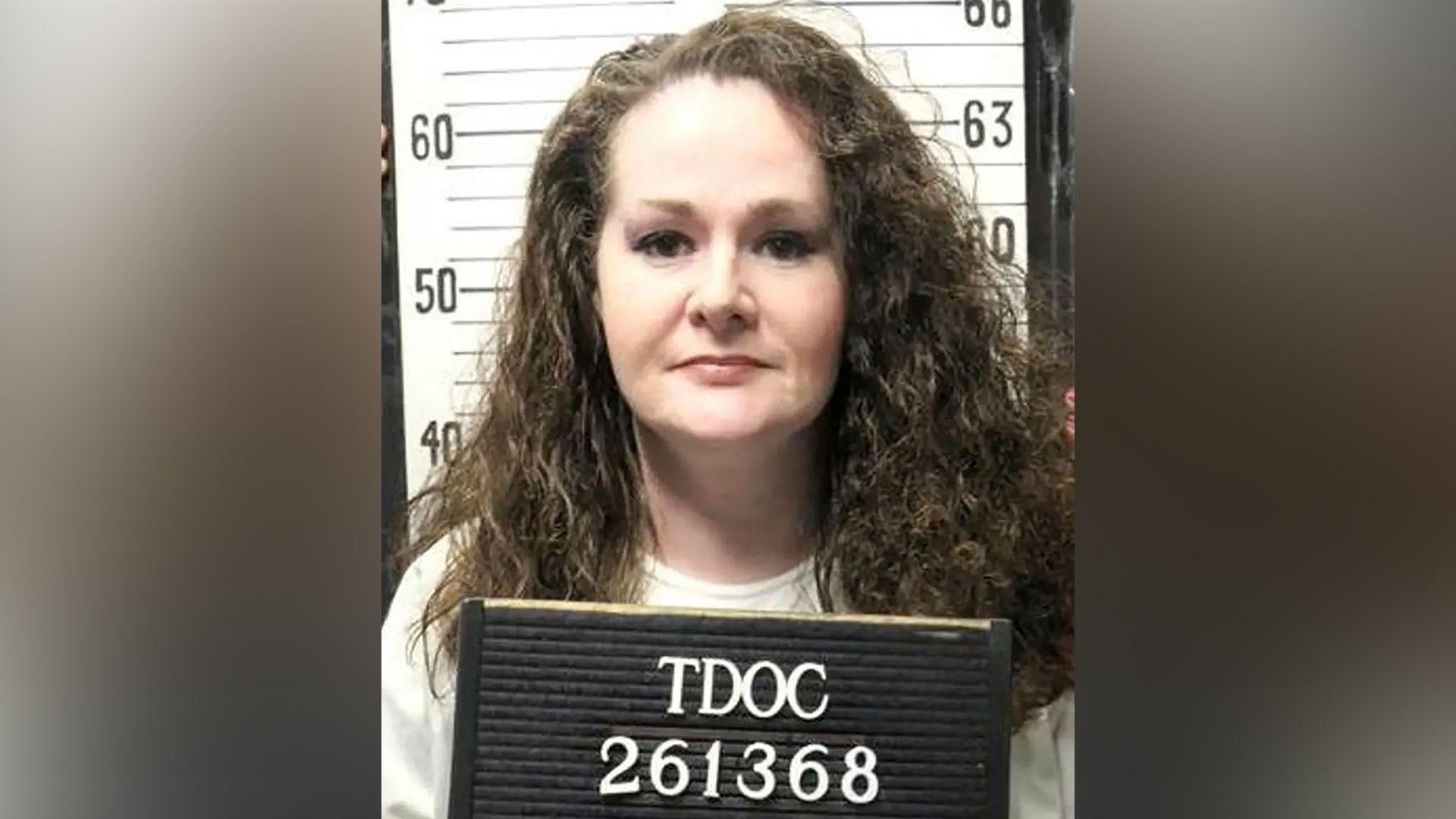
In the wake of Christa Pike’s astonishing survival of two execution attempts in Tennessee, debate across the country has intensified over the frequency and future of the death penalty in the United States.
According to the latest figures compiled by a BBC Verify investigation, fewer than 2,000 people receive death sentences annually, a steep t‑shaped drop from the peak of the 1990s when the U.S. executed over 3,000 individuals a year. Executions themselves are far rarer – only 150–170 people were carried out in 2025, and most of those were in a handful of states such as Texas, Oklahoma, Louisiana and Florida.
State‑level disparities are stark: while Texas has carried out nearly 90 executions in the last decade, states like New York and Kansas have had none in recent years. Policies such as the use of lethal injection, gas chambers, electric chairs, or electrocutions have varied, with lethal injection being the most common method now. Legal challenges – from Supreme Court rulings to local moratoriums – continue to curtail the practice.
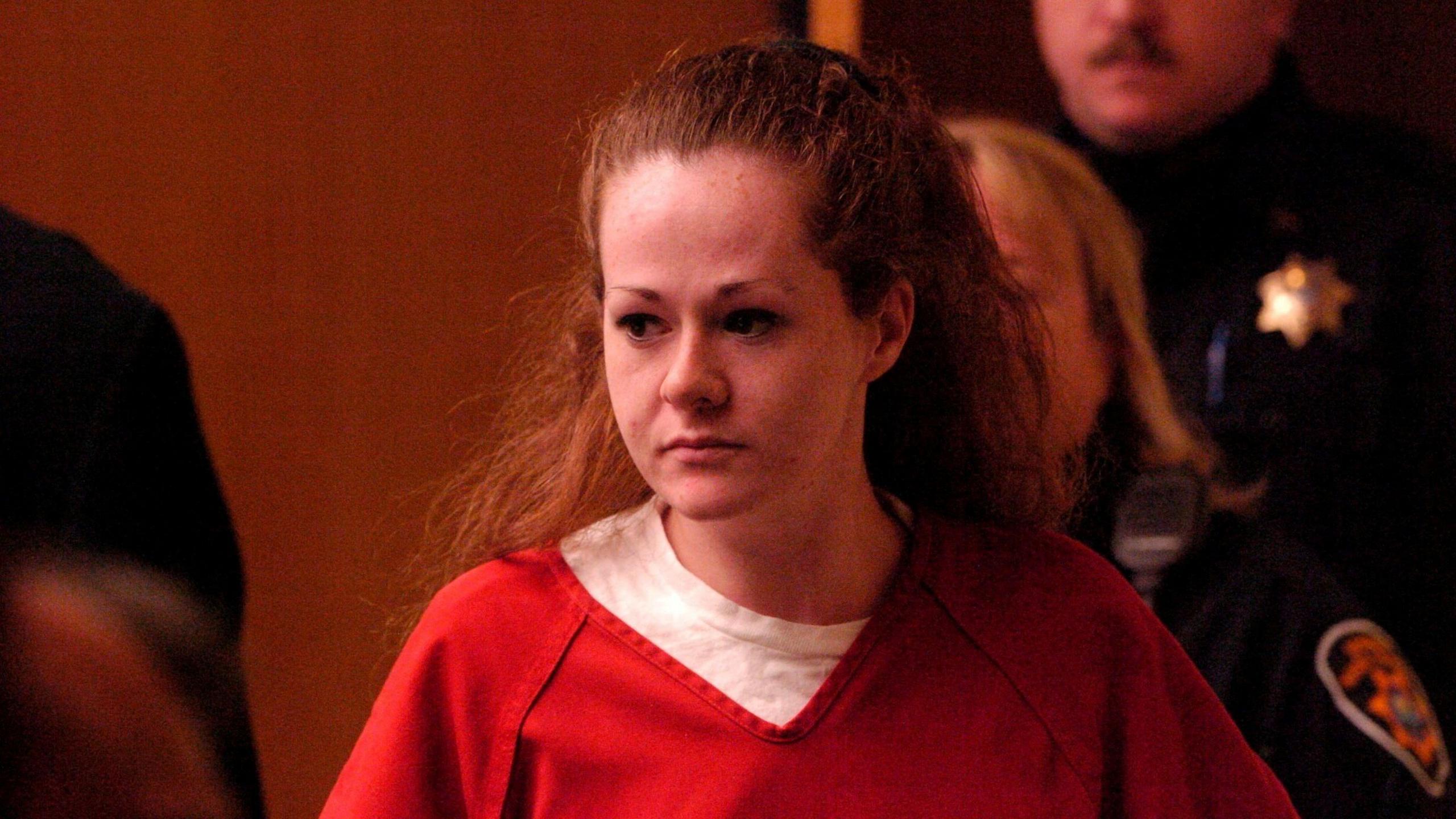
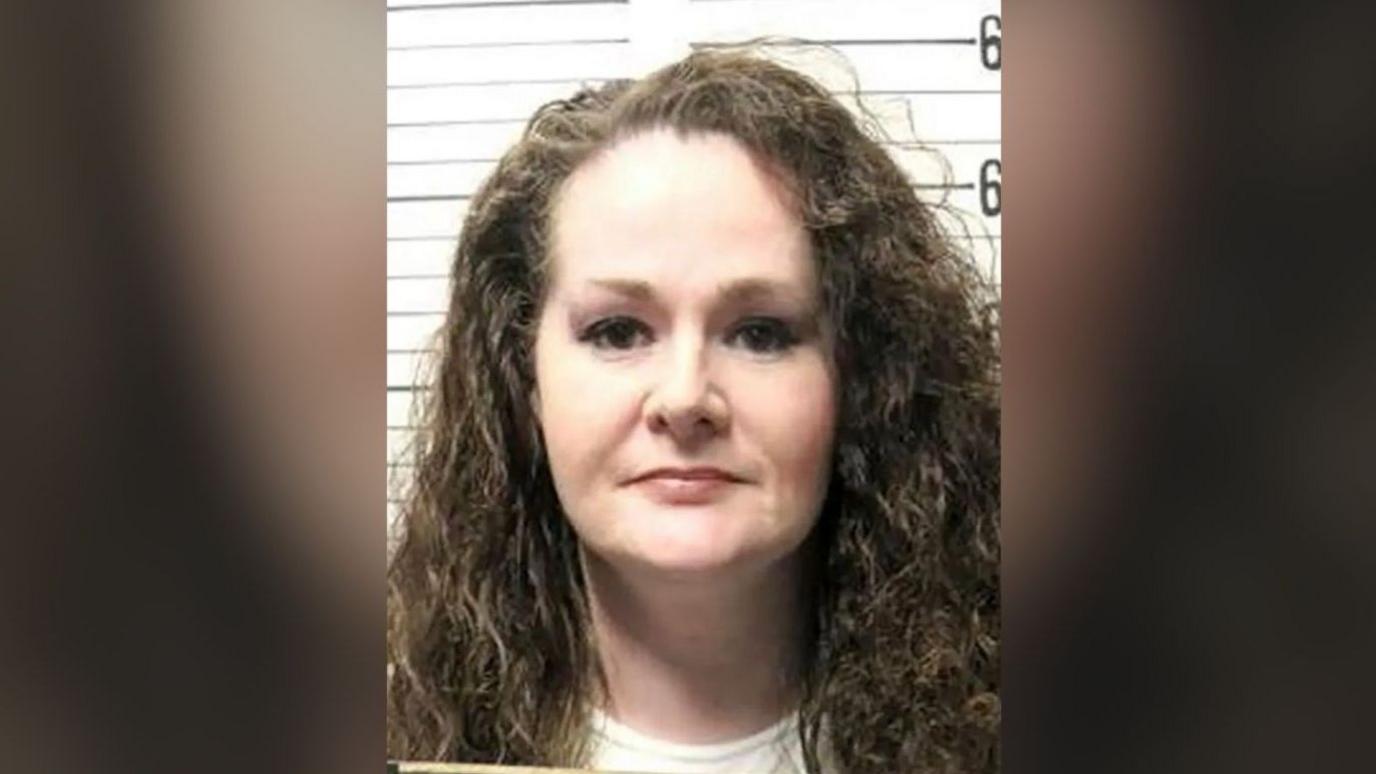
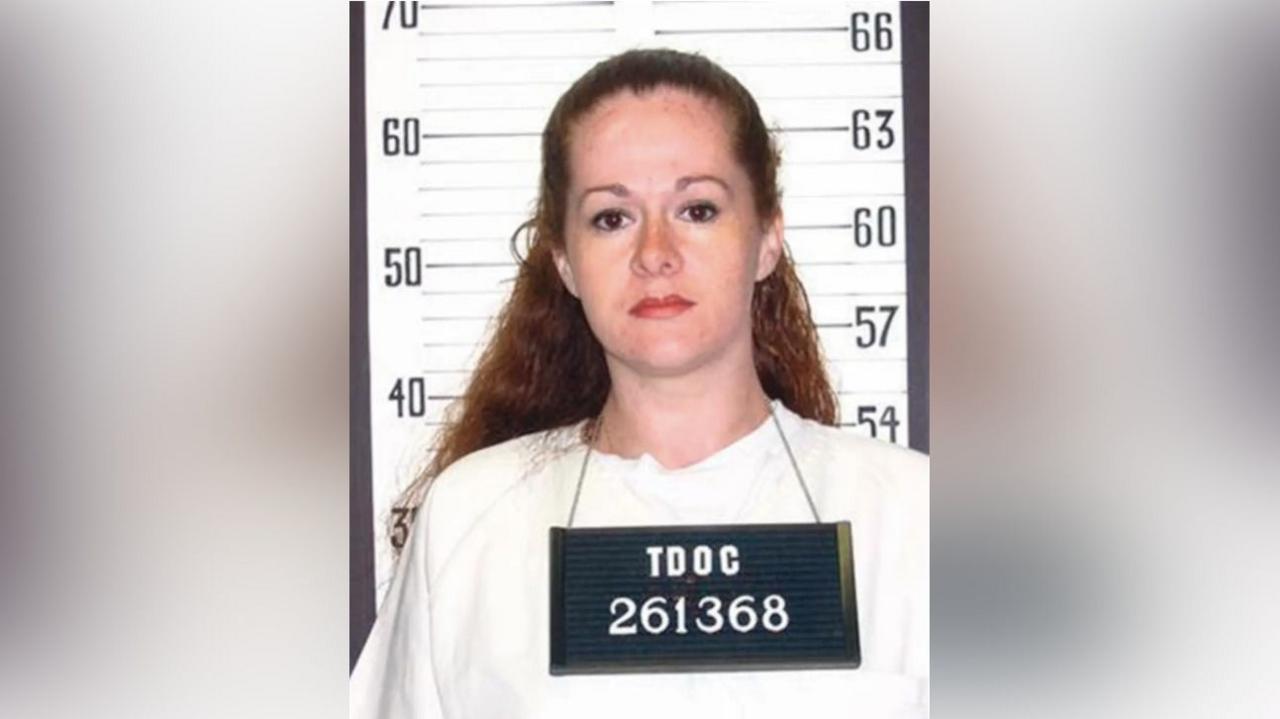
The survival cases of Christa Pike, who was on death row for murder in 2021 and 2023, highlight specific procedural faults, including faulty equipment and medical oversight, that have prompted calls for nationwide reforms. In response, several states have enacted temporary moratoria, legislators have paused new death sentences, and the federal government has begun reviewing lethal injection protocols.
These developments suggest that while the death penalty remains a legal tool in many jurisdictions, its practical application is diminishing. Whether America will move toward full abolition, or simply tighten execution protocols, remains a contentious question, but the numbers speak: executions are a rarity, and public scrutiny is at an all‑time high.