In brief
Maria de Jesús Estrada Juárez, a California woman deported to Mexico after 27 years in the U.S., reunites with her daughter following a judge's order. Estrada Juárez had been living under DACA protections until her arrest during an immigration hearing in February. The federal government had defended her deportation, linking it to an old removal order from 1998. The case underscores ongoing issues surrounding DACA recipients and immigration policy under the current administration.
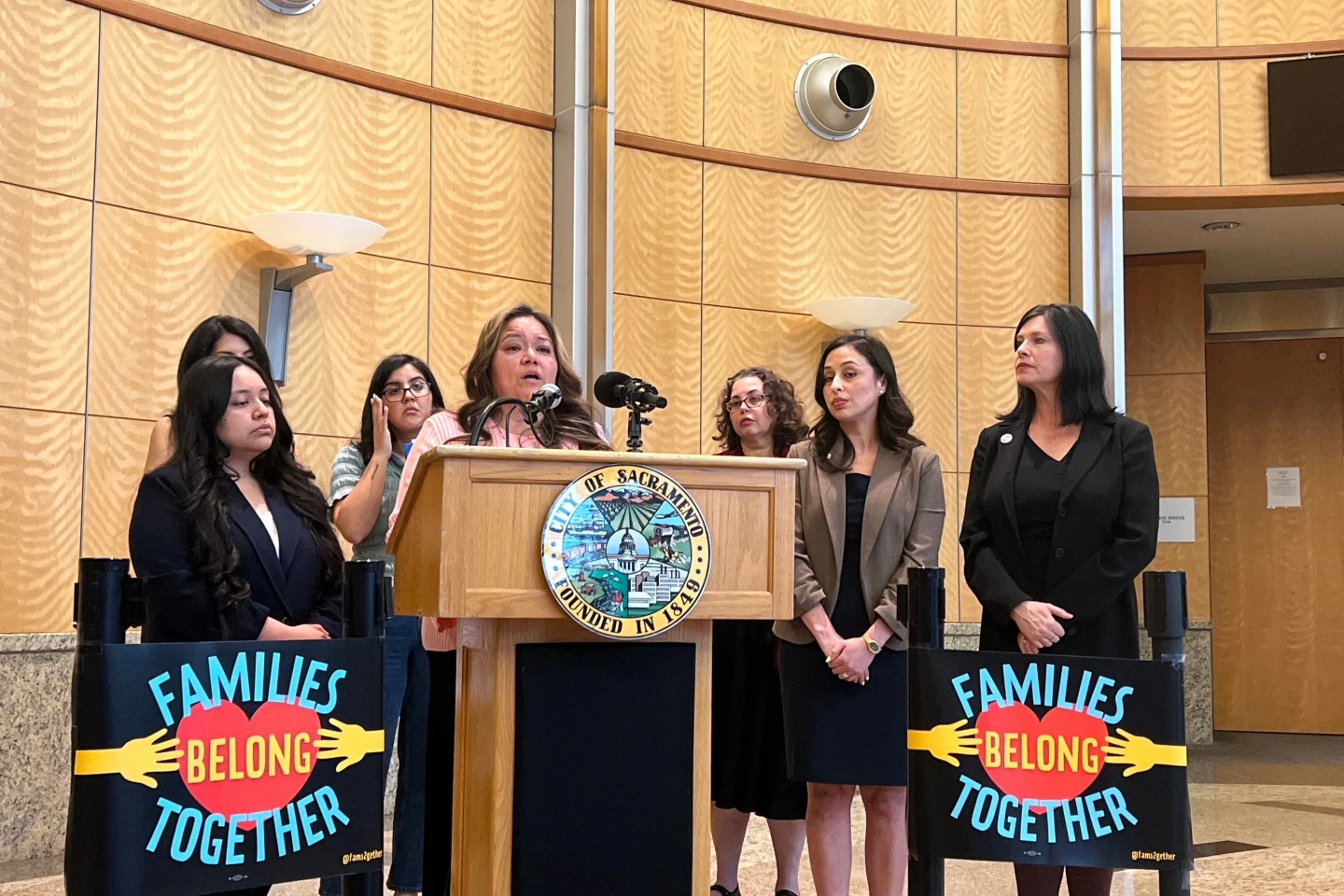
SACRAMENTO, Calif. (AP) — A California woman who had been living in the U.S. for 27 years before the Trump administration deported her to Mexico in February reunited with her daughter this week after a judge ordered her return.Mexican citizen Maria de Jesús Estrada Juárez was among the hundreds of thousands shielded from deportation under an Obama-era program allowing people brought to the U.S. as children to stay if they remain out of trouble. But that changed on February 18 when she showed up for an immigration hearing and was arrested by ICE, leading to her deportation the next day.Speaking at a news conference in Sacramento, the 42-year-old mother described the abrupt separation from her daughter as one of the most painful experiences of her life, stating, I didn’t get to say goodbye. It all happened so fast.Damaris Bello, Estrada Juárez’s 22-year-old daughter, expressed her anguish at the sudden loss, likening it to grieving a living person.Immigration advocates cite Estrada Juárez’s case as evidence of the need for more permanent protections for DACA recipients, often referred to as Dreamers. Talia Inlender, deputy director of the Center for Immigration Law and Policy at UCLA, remarked that the order to return Estrada Juárez is a rare occurrence in immigration law and suggests a troubling trend under the current administration.Estrada Juárez's deportation is defended by the Department of Homeland Security, who cited a 1998 removal order that she was not aware of. However, her lawyer argues that once DACA status is granted, recipients are protected from deportation.After weeks of separation, the judge's ruling provided a temporary restraining order in March, allowing Estrada Juárez to return home. Her daughter expressed relief, stating that having her mother back means they can begin to heal and rebuild their family together.