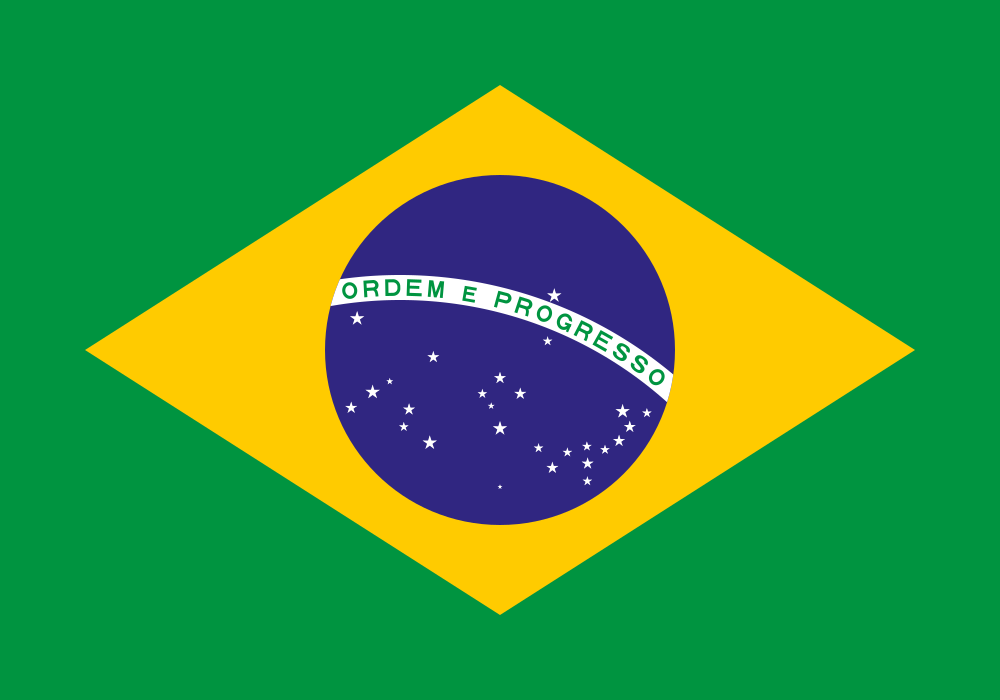
Brazil Accuses the U.S. of Interference Ahead of 2026 Election
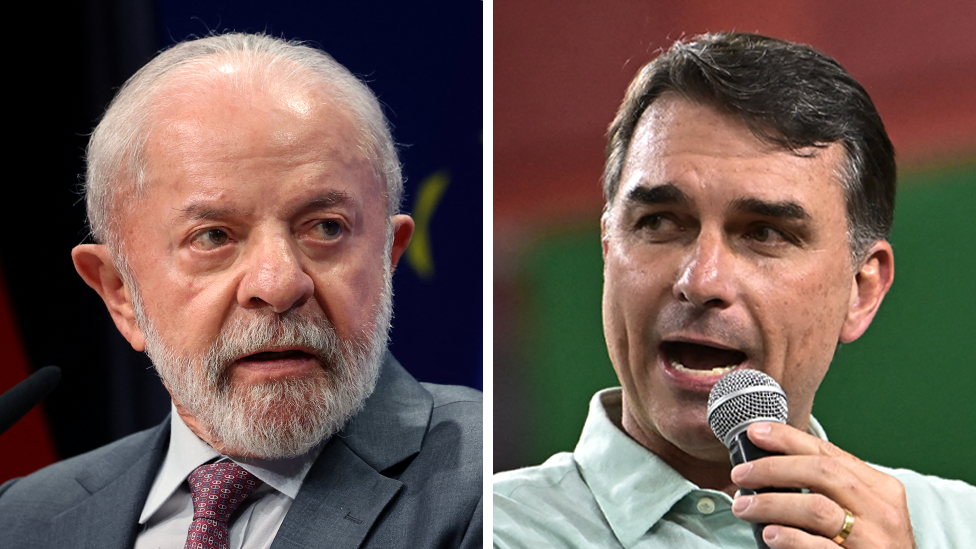
Brazil’s longest‑running president, Luiz Inácio Lula da Silva, has taken the unprecedented step of publicly accusing the United States of covertly backing his political opponent in the 2026 election. The target of the accusation is Flávio Bolsonaro, the charismatic son of former president Jair Bolsonaro, who is seen as a strong line‐digging for the country’s right‑wing bloc.
The US Parallel to Bolsonaro’s Campaign
U.S. officials and some U.S. media have repeatedly expressed support for Bolsonaro’s family, citing shared anti‑corruption values and a desire for stability in the region. These statements, critics argue, amount to political interference and raise unsettling questions about foreign influence in Brazil’s sovereign electoral process.
Key Stakes: Trade, Crime and Sovereignty
Lula’s allegations are not merely about who wins the election; they touch on deeper economic and security issues. America has recently incentivised Brazil with tariff reductions on military technology, and its businesses are actively seeking concessions in Brazil’s abundant natural resources. At the same time, organised crime groups that operate transnationally are exploiting the heightened political tension, causing broader fears about national security.
Brazil’s leaders are now pressing for a moratorium on external interference, demanding a transparent, public system of accounting for campaign contributions and media ownership across the Atlantic. The move marks a growing conviction among Latin American democracies that election integrity is inseparable from protection of sovereignty.
Expert Commentary
In a briefing for the BBC, journalist Ione Wells highlighted that the Brazil‑U.S. dispute is part of a larger power play. She says the U.S. has historically seen Latin America as its sphere of influence, while Brazil seeks to assert its independence while still maintaining an essential trade relationship with Washington. Wells advises that any deterioration in the relationship could ripple across the entire region, affecting regional blocs like Mercosur and the Pacific Alliance.
Meanwhile, the Brazilian public remains divided. Polls indicate that many voters are wary of any foreign hand in the election, while others fear the political fragmentation could stabilize the right‑wing party’s grip on policy.
Shortly after the accusations, Brazilian Parliament opened an investigation into potential foreign lobbying, and Washington is now reaffirming its commitment to electoral integrity. The Tension over election interference, if unresolved, could push the 2026 election further into the uncertainties of global politics.