Stuck Between Superpowers: How Australia Navigates the China‑US Rivalry
The Australian bush has never seen so much firepower. Snipers, missiles and drones swarm through the landscape, while helicopters hover overhead – a silent rehearsal that echoes the glory days of World War Two. It is not a war zone, but a stark reminder that the island‑nation is tightening its military belt.
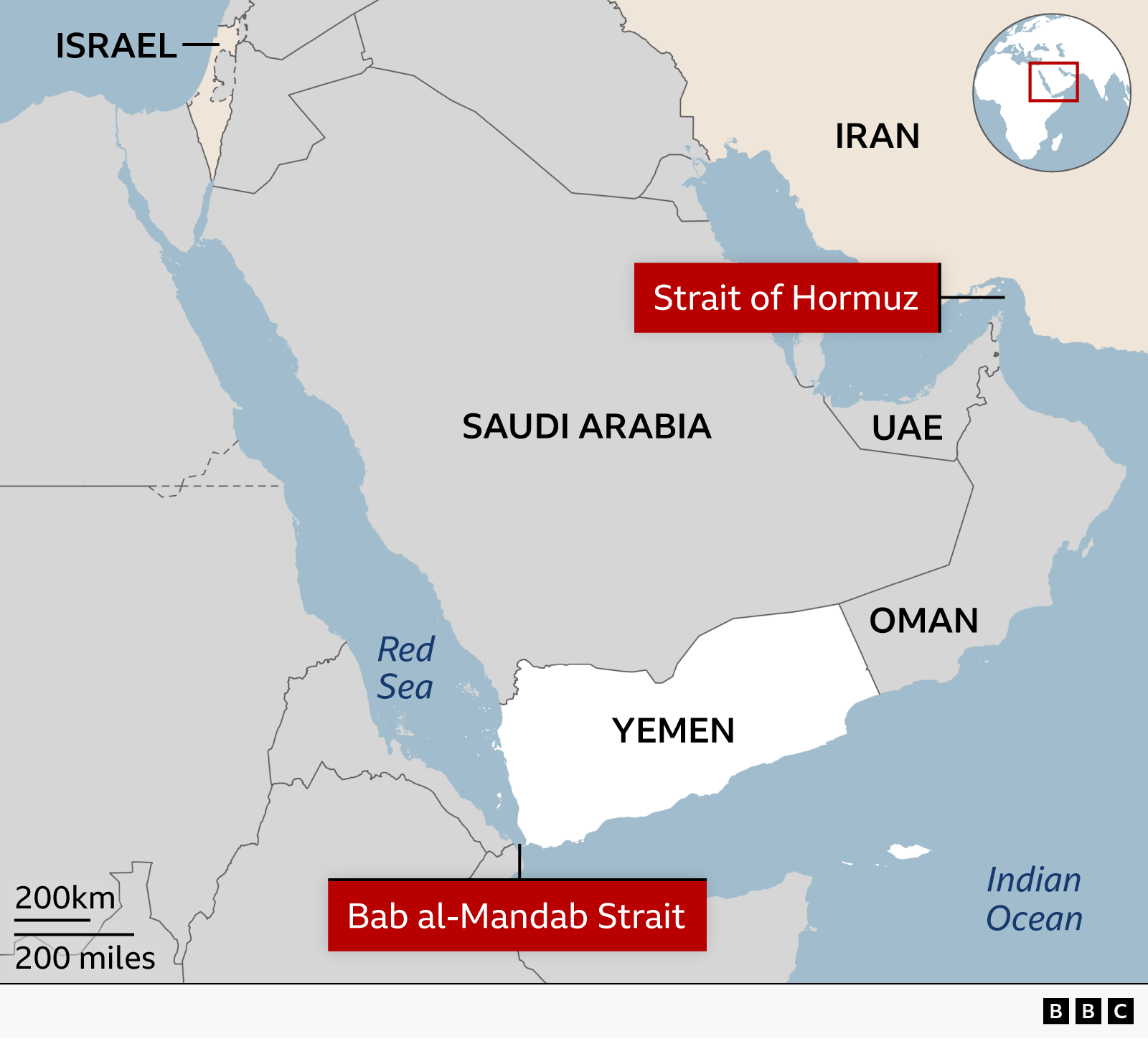
Brigadier Ben McLennan of the Army says, "We live in a volatile world. Training an army to be prepared to fight a war that is potentially more likely than it has been previously, 'is' very important." For Australians miles removed from active conflict, the anxiety has the same cost: higher fuel prices and inflation, ripple effects from wars in Iran and Ukraine.
Binding Tightier to the US
The focus falls on the annual Southern Jackaroo exercise, a joint drill with the United States and Japan that tests defence cooperation across the Indo‑Pacific. Kevin Hicks, a U.S. Marine, calls it “America’s 911 response force.” While the U.S. sent only 200 Marines to Australia in 2012, the figure has surged to roughly 2,500.
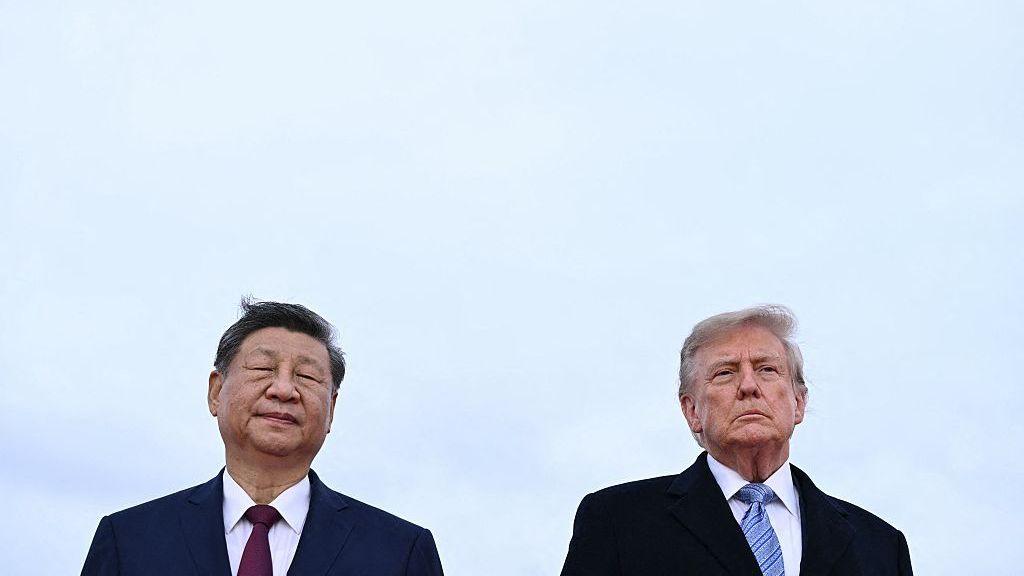
The 2026 National Defence Strategy underscores that “intense competition between major powers – chiefly the United States and China – will be an enduring feature of our strategic environment.” It justifies expanded bases such as RAAF Tindal, upgraded to host long‑range American B‑52 bombers.
Deepening security bonds are visible through AUKUS, the pact that gives Australia nuclear‑powered submarines. In contrast to Canada, which has questioned its reliance on the U.S., Australia’s policy is to tie itself even closer to Washington.
The ‘Frenemy’ Relationship with China
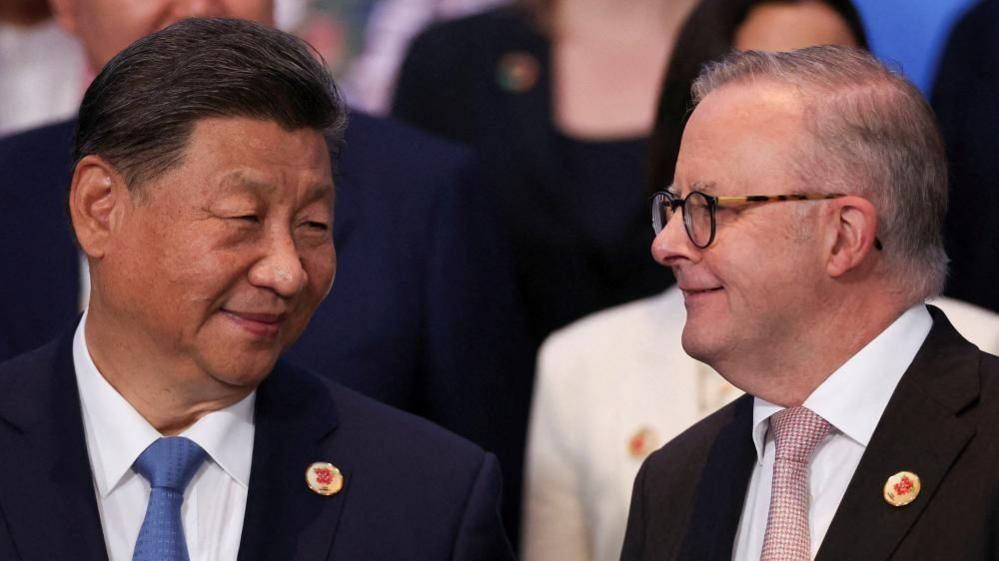
While defending against a military threat, Australia is still China’s biggest trading partner. The two signed a free‑trade agreement in 2015 after China’s emergence as a supply‑chain powerhouse in the 2010s. Yet tensions rose when Australia investigated the Covid‑19 origins in 2020, prompting China to impose tariffs.
Subsequent years saw further frictions: China banned imports of Australian beef at a 55% tariff in June, and Australian journalists, including Cheng Lei, were detained for years before release.
Nevertheless, a 2026 Lowy Institute poll shows 61% of Australians view China more as an economic partner than a security threat—a 11‑point rise from last year. Yet 51% now believe China’s importance outweighs that of the United States.
Balancing Act in the Era of Power Shifts
Former Prime Minister Kevin Rudd recently echoed that “the rise of China at a time when America debates its own power” is reshaping national security. Academic Dr. Marina Yue Zhang notes that Australians are questioning whether the United States is a truly trustworthy ally.
However, public trust remains low: only 31% believe the U.S. will act responsibly, and 28% trust China, according to the same poll. Yet rhetoric on the hill insists Australia will not choose sides wholesale, and “it’s getting harder and harder to maintain, but it has to be done,” Zhang says.
In short, Australia’s strategic dance is set against a backdrop where the US is a security ally and China a commercial partner. The nation’s future hinges on whether it can keep both sides at arms’ length while safeguarding its sovereignty and prosperity.