In brief
The year 2025 has witnessed a significant decline in democratic governance across Africa, with military takeovers in West Africa, deadly protests in Tanzania, and rising opposition discontent in several nations. Despite instances of peaceful transitions in Malawi and Seychelles, widespread unrest and political dissatisfaction reflect a continent grappling with leadership crises and the demands of its young population.
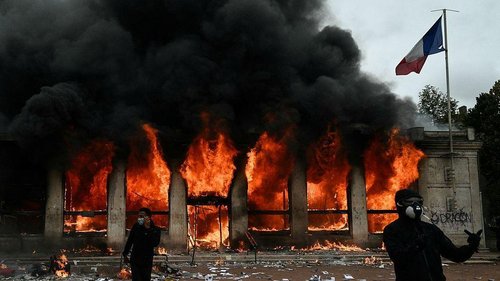
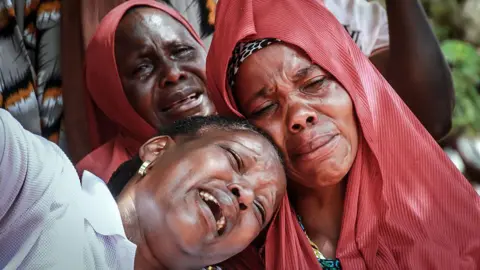
October's shocking events in Tanzania offer a snapshot of some of the tensions which have shaped a difficult year for African politics. Demonstrators were shot dead by police while protesting against what they saw as a rigged election - condemned by regional and continental bodies - shattering the country's reputation for peace and stability.
With opposition candidates either imprisoned or barred from running, President Samia Suluhu Hassan was elected with 98% of the votes, reversing moves towards a more open democracy.
Several countries saw protests and election disputes in 2025, while military leaders cemented their power in others, with analysts believing next year could bring more upheaval. The trend is worrying, said Mo Ibrahim, noting failures in governance across the continent.
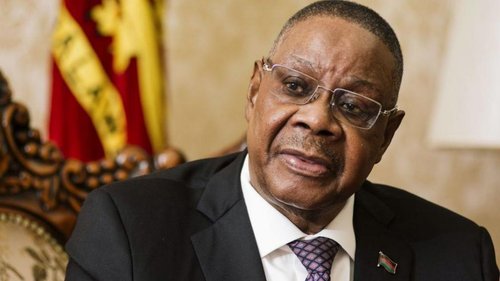
Financial pressures, particularly an increase in living costs, have fueled public dissatisfaction. Despite some positive democratic developments, such as peaceful power transfers in Malawi and Seychelles, there is a concerning trend of military takeovers in West Africa, where governments are consolidating power following coups.
Youth-driven protests in countries like Madagascar resulted in a military coup, illustrating a need for political leaders to engage more with their electorate’s demands. With an increasingly young population seeking voice and representation, Africa's governance faces an uncertain future.