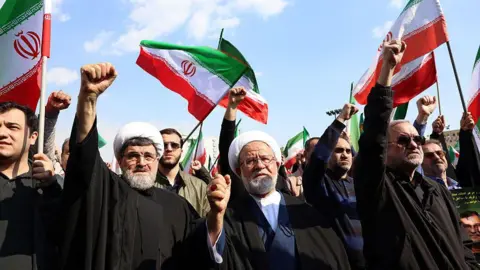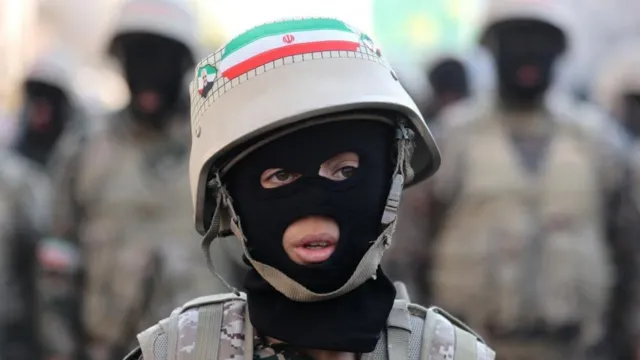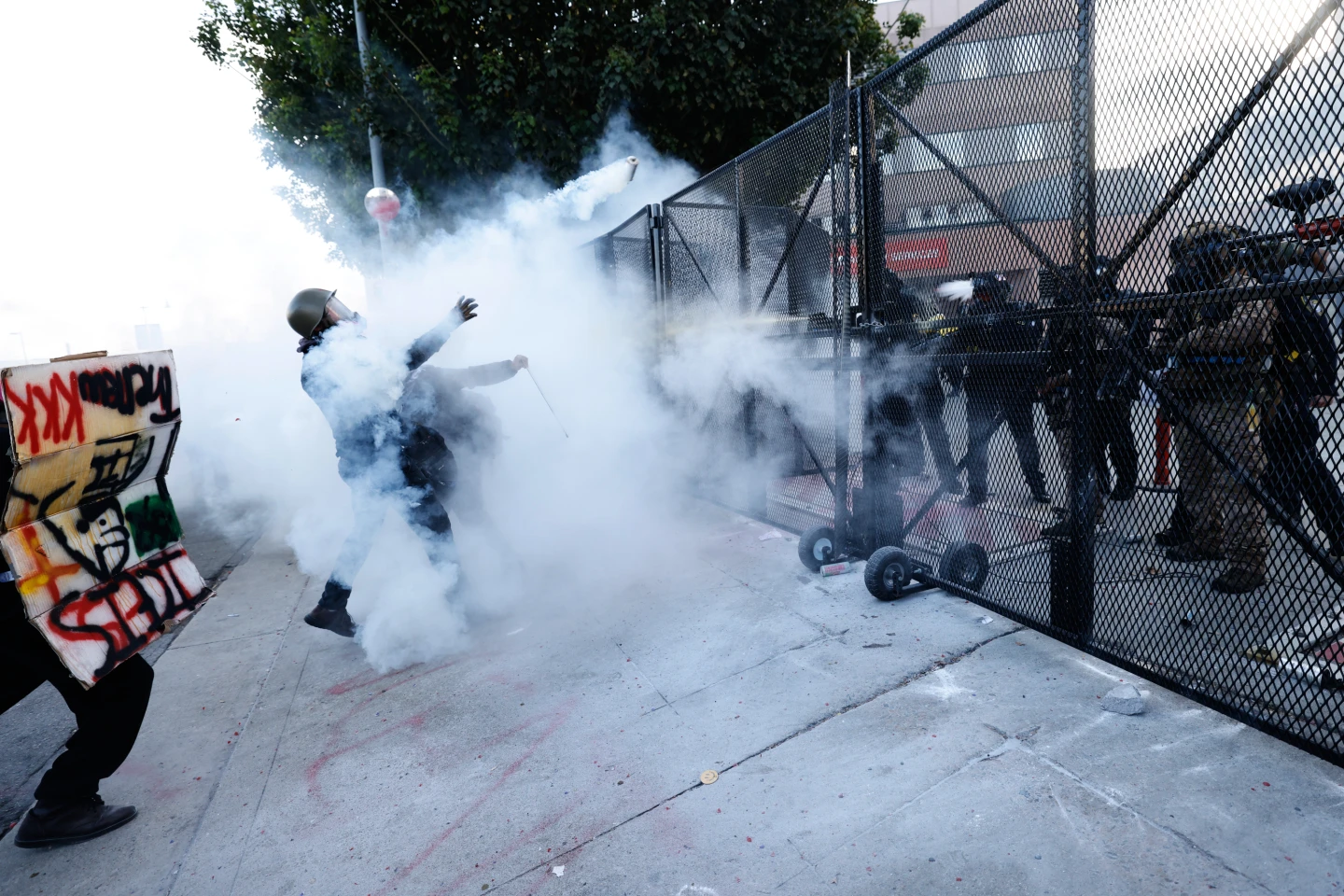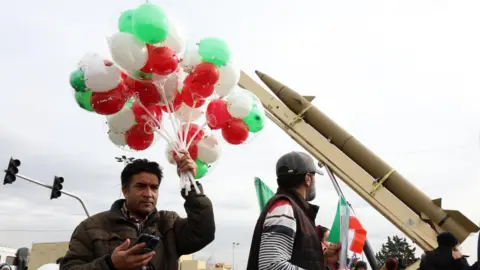
When clocks struck nine across Tehran on Tuesday, the night skies filled with sound in celebration of the 47th year of the Iranian revolution. Sounds including cheerful chants of God is greatest and vibrant fireworks filled the air. However, the joy was tinged with tension as cries of death to the dictator emerged from the shadows, a stark reminder of recent protests met with deadly force in the months prior, which claimed numerous lives.
This year’s events showcased a national climate deeply mired in turmoil as inflation and public dissent challenge the authority of the Iranian government. The tumultuous backdrop contrasts sharply with Tehran's historically grandiose revolution anniversaries and emphasizes the complex interplay of celebration and protest.
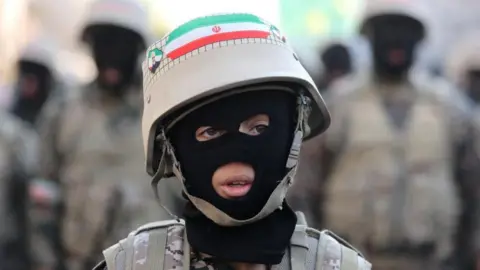
The stark dichotomy of joy and pain manifested throughout the capital, with jubilant supporters of the regime marching for their cause, waving flags and chanting traditional slogans, while dissatisfied citizens expressed their grievances about soaring prices and socio-political unrest. Iranian President Masoud Pezeshkian acknowledged the issues faced by the populace, attributing some of the far-reaching discontent to foreign interference and promising efforts to rectify the economic crisis.
Furthermore, the voices of everyday Iranians paint a revealing picture of a society in distress. Many expressed despair over economic hardships exacerbated by government policies and international sanctions. The inequalities have sparked calls for reform and deeper introspection within the Iranian political landscape.
This is a period of critical reckoning for Iran, standing at a crossroads as it grapples with its most crucial challenges since the revolution nearly five decades ago. The volatile mix of festivity and rebellion encapsulates both the rich history of Iranian resilience and the urgent desire for visible change.