In brief
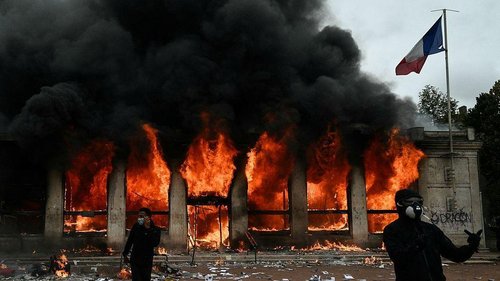
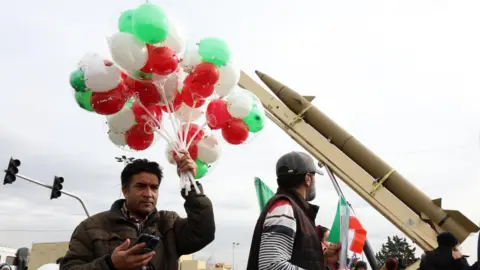
Tehran marks the 47th anniversary of the Islamic Revolution with fireworks and slogans, yet discontent brews under the surface. Chants of 'death to the dictator' echo amidst government-led celebrations, signaling a populace divided by economic hardships and calls for systemic change amid recent violent protests.
As Tehran illuminated with fireworks on the 47th anniversary of the Islamic Revolution, celebratory chants of 'God is greatest' filled the air, alongside a contrasting wave of protest that echoed 'death to the dictator.' This duality encapsulates a nation at a crossroads, where jubilancy is marred by the reality of burgeoning economic discontent and aspirations for reform.The recent protests across Iran led to an unprecedented crackdown, with reports indicating thousands of deaths during the government's violent response. Now, as international media slowly return following a protracted digital blackout, emotions remain raw among the populace, visibly shaken by the recent upheaval.During this year's commemorations, amidst vibrant parades featuring flags and chants against America and Israel, voices of dissent from last month's protests linger in the background. Many Iranians, like 32-year-old Raha, expressed their emotional turmoil and frustrations regarding the economic hardships they face, noting skyrocketing prices and high unemployment.President Masoud Pezeshkian, addressing crowds at Azadi Square, acknowledged the unrest, attributing blame to foreign influences while also apologizing for governmental shortcomings. Nevertheless, the pervasive fear of speaking out suggests a populace still wrestling with the ramifications of dissent in an oppressive environment.As families celebrated under the sunny winter sky, calls for reform and justice continued to resonate alongside the exuberance of the anniversary, forging a stark juxtaposition of Iran's past glory against its present struggles. The Islamic Republic faces its most significant challenges yet, compelled to reconcile its revolutionary ideals with the demands of its current discontented citizens.