MINNEAPOLIS – The Trump administration's decision to withdraw federal immigration officers from the Minneapolis and St. Paul area has been met with relief from many residents, yet the implications of this action, dubbed Operation Metro Surge, continue to raise concerns regarding community safety and trust towards law enforcement within immigrant groups.
Operation Metro Surge, described by the Department of Homeland Security as the largest immigration enforcement operation to date, involved dispatching thousands of officers into the Twin Cities. While President Trump projected this operation as a success, it faced increasing backlash following tragic incidents involving the deaths of U.S. citizens at the hands of federal officers.
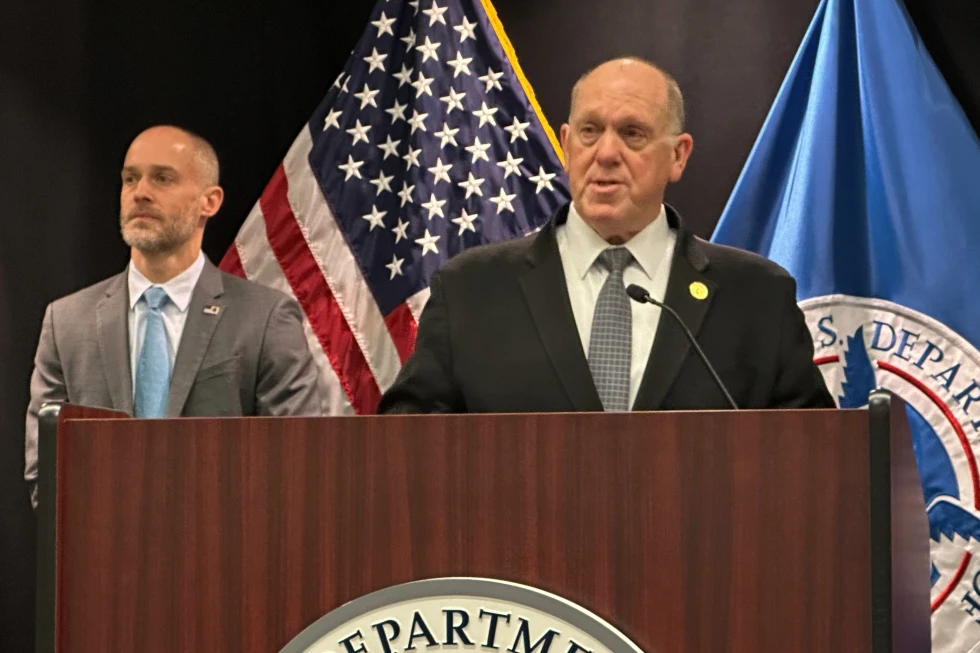
Despite the drawdown, Governor Tim Walz expressed the need for vigilance among Minnesotans as tensions continue regarding immigration enforcement in the state. Tom Homan, the border czar, announced that the operation's end came after extensive collaboration with local law enforcement and community leaders, citing the importance of their cooperation for a safer environment.
However, residents remain skeptical about the momentum of this 'success' and the potential for future enforcement actions. A vigil was held at a memorial for Renee Good, one of the victims, during which attendees voiced their fears about an enduring atmosphere of mistrust created by the Trump administration's tactics.
As over 2,000 federal officers remain in the state even after 700 were reassigned, questions arise about the continued capacity for targeted enforcement. Some community members emphasize that their concern for immigrant neighbors persists, fearing the loss of safety and a more substantial impact on the Twin Cities' economy once the operation is fully dismantled.
At community gatherings, local attendees articulated their distrust in government assurances, voicing sentiments that positive changes might be superficial against a backdrop of persistent enforcement policies.