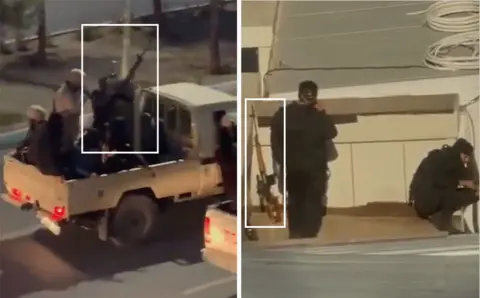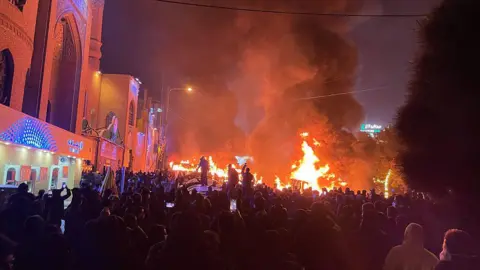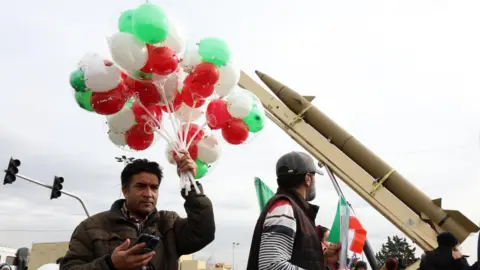
As the clock struck nine in Tehran on Tuesday, the night was filled with sounds of celebration for the 47th anniversary of the Iranian revolution. Chants of 'God is greatest' echoed from rooftops and fireworks lit up the skies. However, this year's celebrations were tinged with an undercurrent of dissent, with shouts of 'death to the dictator' piercing through the festive atmosphere, serving as an alarming reminder of recent protests that saw unprecedented violence and casualties.
This marked the first international media visit since the protests against the Islamic Republic last month, which were largely characterized by economic grievances amid soaring inflation and stagnant living standards. As the anniversary waned, large crowds gathered in Tehran, some waving flags and shouting against perceived foreign adversaries, while others quietly expressed their resentments regarding domestic issues that have plagued them.
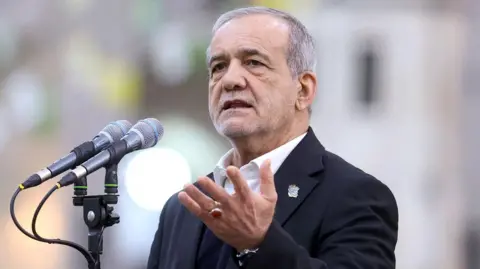
While President Masoud Pezeshkian delivered a speech praising the revolution and denying allegations of misconduct by the government, he also acknowledged the people's grievances, asserting readiness to listen and respond to public concerns. Yet, critics remain skeptical about the real power of these promises as authority predominantly rests with the aging supreme leader.
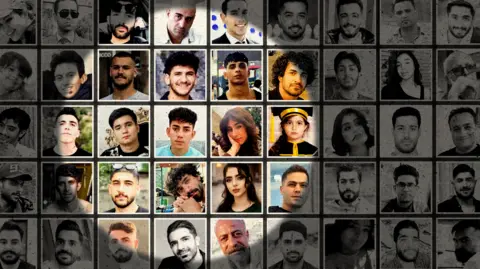
Emotions remain high among citizens who have endured immense hardship, with many mourning lost lives from previous protests. As Iran stands at this crossroads, it faces a formidable challenge: balancing the veneer of celebration with the lived reality of its beleaguered populace, daring to question the very system that has defined their nation for decades.
This marked the first international media visit since the protests against the Islamic Republic last month, which were largely characterized by economic grievances amid soaring inflation and stagnant living standards. As the anniversary waned, large crowds gathered in Tehran, some waving flags and shouting against perceived foreign adversaries, while others quietly expressed their resentments regarding domestic issues that have plagued them.
While President Masoud Pezeshkian delivered a speech praising the revolution and denying allegations of misconduct by the government, he also acknowledged the people's grievances, asserting readiness to listen and respond to public concerns. Yet, critics remain skeptical about the real power of these promises as authority predominantly rests with the aging supreme leader.
Emotions remain high among citizens who have endured immense hardship, with many mourning lost lives from previous protests. As Iran stands at this crossroads, it faces a formidable challenge: balancing the veneer of celebration with the lived reality of its beleaguered populace, daring to question the very system that has defined their nation for decades.