In a powerful portrayal of struggle and resilience, the Oscar-nominated documentary "No Other Land" brings to light the harrowing realities faced by Palestinian communities in the West Bank, particularly in the Masafer Yatta region. Directed by Basel Adra and Israeli journalist Yuval Abraham, the film chronicles their friendship and the destruction of homes, schools, and infrastructure by Israeli forces over a span of five years.
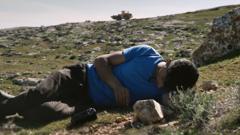
The narrative follows significant events, including the arrest of Basel's father and tragic incidents that resulted in community members suffering paralysis and even death during confrontations with the Israeli military. The documentary emphasizes the duo’s hope that their work can inspire change, despite the grim acknowledgment that films alone may not alter political landscapes.
Reflecting on their film's reception, Adra expressed concern about the lack of tangible action among those with the power to initiate change, while Abraham underscored the transformative potential of cinema in altering individual perspectives. Addressing the ongoing violence in the region, they cited a dramatic rise in settler-related incidents following significant escalations in the Israel-Palestine conflict this October.
The film paints a vivid picture of everyday realities for Palestinians, juxtaposing momentous moments of destruction with personal stories of warmth and human connection, contrasting the restrictions faced by Basel compared to the freedoms enjoyed by Yuval. The pair's relationship navigates the complexity of their differing identities and societal roles, captured poignantly throughout the documentary.
Administratively, "No Other Land" faces challenges in distribution despite its accolades. The filmmakers highlight the urgency of conveying their message, particularly as settler violence continues to escalate, necessitating a greater recognition of Palestinian rights. As the documentary gains traction worldwide, viewers are left with a compelling call for justice and empathy in a conflict that has persisted for decades.
In conclusion, the film not only serves as a testament to the hardships and resilience of the Palestinian people but also challenges viewers to reflect on their role in advocating for equality, justice, and peace.