In brief
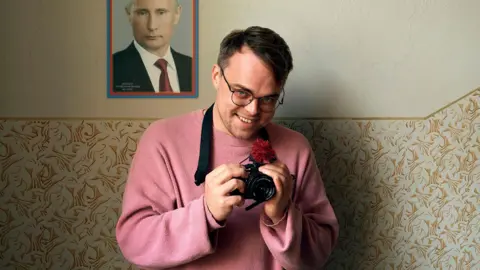
The Russian government has banned the documentary 'Mr Nobody Against Putin', alleging it promotes extremism. The film, which won an Oscar, highlights war propaganda in Russian schools post-invasion of Ukraine. The court's ruling requires its removal from three streaming platforms, as the authorities argue it expresses anti-government sentiment. The documentary, produced by Pavel Talankin, features disturbing footage of indoctrination and the human cost of war, revealing the Kremlin's control over public narratives.
A court in Russia has banned the documentary 'Mr Nobody Against Putin' from three streaming platforms due to claims it propagates extremism and terrorism. The BBC documentary, which won an Oscar earlier this month, exposes the increase in war propaganda being taught in Russian schools following the country’s invasion of Ukraine in February 2022. It is based on the experiences of school events coordinator Pavel Talankin, who fled Russia due to escalating governmental oppression.Prosecutors alleged that the documentary conveys a negative attitude towards the [war in Ukraine] and the current government. Furthermore, they claimed it included symbols associated with anti-war protests. The ruling, issued by a court in Chelyabinsk, mandates the film's removal from major online platforms, reflecting the increasing censorship in Russia amid dissent against the war.Earlier in March, a Russian human rights body condemned the documentary for using footage of children without parental consent, stating they would appeal to the Academy that oversees the Oscars to investigate.The documentary illustrates how schoolchildren are indoctrinated with lessons about 'denazification' in Ukraine, featuring war veterans and military training. It weaves in the narratives of Talankin’s former students, who have been sent to fight in Ukraine, and offers insight into his acts of resistance against the regime.In his acceptance speech at the Oscars, Talankin poignantly expressed the stark contrast between dreams of peace and the brutal reality of war: ...there are countries where, instead of shooting stars, bombs fall from the sky and drones fly.In recent years, the Kremlin has tightened its grip on freedom of expression, making public dissent punishable by lengthy prison terms. The documentary, a Danish-Czech production, not only received the Oscar for Best Documentary Feature but also the Bafta award for Best Documentary earlier in 2026. Despite its success abroad, the Kremlin has dismissed questions regarding the film, with spokesperson Dmitry Peskov admitting he had not seen it, while President Putin criticized foreign films shown in Russia as frivolous compared to local productions.}