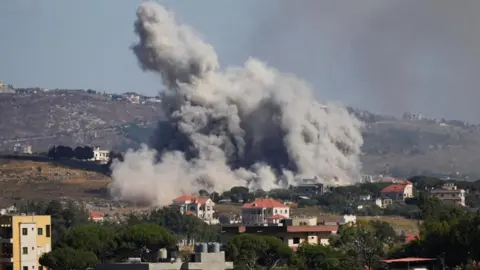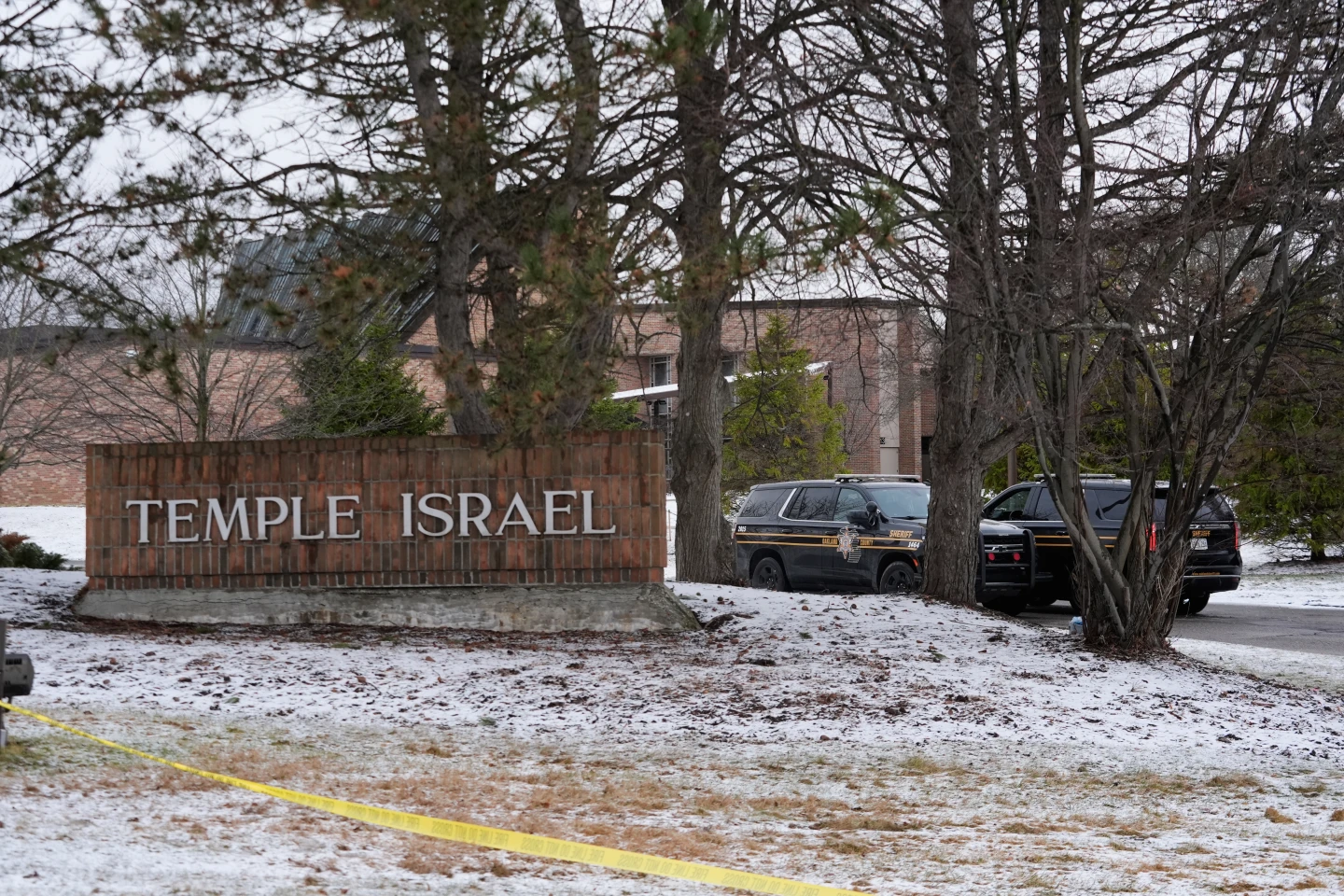
For many U.S. Jews, following current events these days can be emotionally tumultuous. There is widespread anger regarding the surge of attacks targeting Jewish communities and deep divisions over whether to support or oppose various policies and actions by Israel in the conflict-wracked Middle East. A particular incident last week saw an individual ram his truck into a Detroit-area synagogue where over 100 children were attending a preschool program. The perpetrator, who had suffered personal losses due to Israeli military actions in Lebanon, ultimately took his own life after engaging in a shootout with a guard.
Rabbi Rick Jacobs, president of the Union for Reform Judaism, strongly condemned this act, stating, “To hold American Jews—let alone children in a preschool—accountable for the actions of a foreign government is a dangerous double standard.” He underscored that while criticism of Israel may be warranted, any act of violence against Jewish institutions represents a clear case of antisemitism. Prominent Jewish commentators, including Peter Beinart, have echoed these sentiments while emphasizing critiques against Israeli policies.
In a convoluted landscape, Jewish leaders are debating the implications of displaying pro-Israel sentiments in synagogues, with some, like Beinart, arguing for their removal for the safety of congregants. Yet others believe expressing support for Israel is a right that should not be impeded. The debate reflects the complex nature of Jewish identity in the context of international politics, where the actions of one government may unfairly reflect on all individuals associated with it.
Security concerns have heightened, with many institutions now facing intimidation, demonstrating the chilling effect of polarized opinions. Rabbi Elliot Cosgrove noted the disturbing blurred line between anti-Zionism and antisemitism, illustrating how violent rhetoric can escalate into real threats.
This turmoil exemplifies the ongoing struggle for Jewish communities in America as they navigate their cultural identity amidst external pressures and internal divisions over the future of their connection to Israel.
Rabbi Rick Jacobs, president of the Union for Reform Judaism, strongly condemned this act, stating, “To hold American Jews—let alone children in a preschool—accountable for the actions of a foreign government is a dangerous double standard.” He underscored that while criticism of Israel may be warranted, any act of violence against Jewish institutions represents a clear case of antisemitism. Prominent Jewish commentators, including Peter Beinart, have echoed these sentiments while emphasizing critiques against Israeli policies.
In a convoluted landscape, Jewish leaders are debating the implications of displaying pro-Israel sentiments in synagogues, with some, like Beinart, arguing for their removal for the safety of congregants. Yet others believe expressing support for Israel is a right that should not be impeded. The debate reflects the complex nature of Jewish identity in the context of international politics, where the actions of one government may unfairly reflect on all individuals associated with it.
Security concerns have heightened, with many institutions now facing intimidation, demonstrating the chilling effect of polarized opinions. Rabbi Elliot Cosgrove noted the disturbing blurred line between anti-Zionism and antisemitism, illustrating how violent rhetoric can escalate into real threats.
This turmoil exemplifies the ongoing struggle for Jewish communities in America as they navigate their cultural identity amidst external pressures and internal divisions over the future of their connection to Israel.