In brief
A rapid wave of demolitions in the al‑Bustan area of Silwan in East Jerusalem has left almost six dozen Palestinian homes destroyed since late 2023, meeting fierce resistance from residents who are forced to flee or fight back. The Israeli municipal plan to convert the neighbourhood into a biblical-themed park, backed by settlement interests, has intensified the conflict, spurring legal battles and heavy fines that many flee by damaging their own houses. Palestinian families, community leaders and NGOs argue that the demolitions violate international law, with the EU decrying the severity of the situation and calling for decisive intervention. Amid a backdrop of escalating regional tensions, the demolition drive underscores a siege of Palestinian rights and a push by Israeli authorities to cement a Jewish-dominated capital.
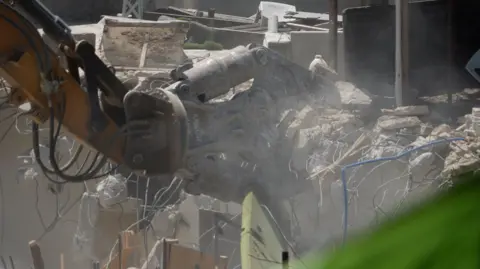
The boom of bulldozers and cranes in East Jerusalem’s Silwan neighbourhood marks a stark rise in demolition orders that has left almost 60 Palestinian houses razed since late 2023, turning the area into a ghost‑town of rubble and shock.
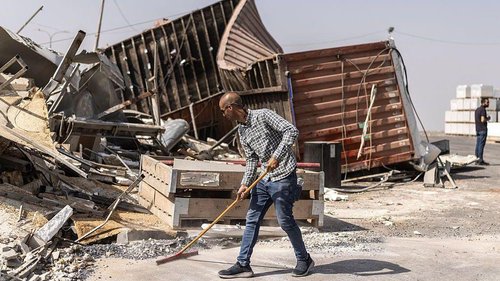
“They destroyed the future,” cried 58‑year‑old Fayez Awad, now left with only a single floor of his once‑modest apartment. He and his family have had to dismantle the scaffolding, using metal hacksaw blades more often than the government’s own ordinance, to avoid the hefty fines that can reach tens of thousands of dollars.
The demolition spree follows a twenty‑year campaign by Jerusalem Mayor’s Office to turn part of al‑Bustan into a “biblical‑themed park” called the King’s Garden, a project championed by Jewish settler associations. This plan sits on land coveted by Islamic and Christian authorities and the elusive Temple Mount, whose sacred status sharpens every policy debate.
International law labels the forced transfer and demolition of occupied Palestinian properties illegal, yet the Israeli judiciary keeps granting eviction orders that often rely on land‑registration loopholes introduced in 2018. In 2025, only seven per cent of new housing permits went to Palestinians while the city, where they constitute around forty per cent of the population, saw iron‑clad edicts against them.

While the mayor’s office cites the lack of public open space as justification, Palestinians take the actions as part of a broader strategy to assert Jewish supremacy that has left many with little to no recourse or housing alternatives within Jerusalem.
Recent EU statements – describing the situation as “dire” – echo the views of NGOs such as Peace Now and Ir Amim, who pressure the international community to enforce the protections outlined in the Fourth Geneva Convention and to recognize East Jerusalem as a shared city, not a segregated one. The clash remains as sharp as the stone walls that surround the al‑Aqsa Mosque, with each demolition further erasing the horizon of Palestinian life in Jerusalem.
With each bulldozer’s roar, families like the Awads and the Basha lineage are forced to reckon with loss, while the world watches how the city’s holy narrative is reshaped one house at a time.