In brief
After the death of 18-year-old Yehuda Sherman, Israeli settlers have launched a series of retaliatory attacks against Palestinian villages in the West Bank. Over 20 incidents were reported, leading to widespread destruction of homes, vehicles, and agricultural lands. The settler violence has intensified since the onset of conflict in the region, prompting calls for intervention and condemnation from various sources.
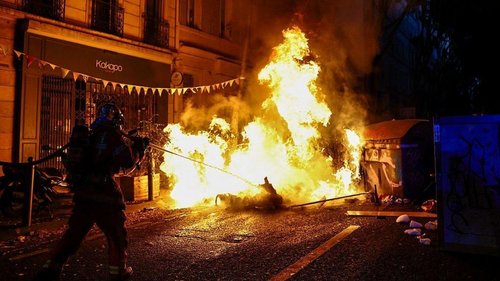
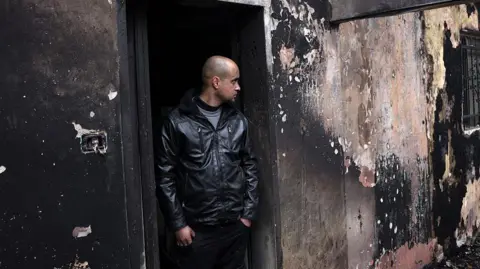
Extremist Jewish settlers have carried out a spate of attacks on Palestinian villages in the occupied West Bank, setting fire to homes, vehicles, and agricultural fields. The violence began after a teenage settler - 18-year-old Yehuda Sherman - was killed after reportedly being hit by a vehicle driven by a Palestinian while on his quad bike. Police are investigating whether the incident was deliberate or accidental.In response, WhatsApp groups used by settlers called for a revenge campaign. More than 20 settler attacks were reported overnight. Settler violence has surged since the US and Israel engaged in military actions against Iran, with six Palestinians reported killed by settlers since early March, according to the United Nations.The Israel Defense Forces announced they dispatched troops to several Palestinian villages following reports of arson and disturbances. Attacks targeted villages such as Jalud, Qaryut, al-Funduqmiya, and Silat al-Dhah. Eyewitness footage purported to show large groups of masked individuals attacking these areas.At least three Palestinians were hospitalized with injuries during confrontations in Jalud. The Palestinian Ministry of Foreign Affairs condemned the assaults, citing the terrorization and killing of civilians. Despite prior warnings of planned attacks, rights group Yesh Din criticized the Israeli forces for failing to prepare adequately.After these incidents, Israeli police announced arrests and stated that they are operating with a zero-tolerance policy toward extremist violence. Current tensions have led to protests and road blockades by Jewish settlers, representing deeper divisions as the cycle of violence continues.