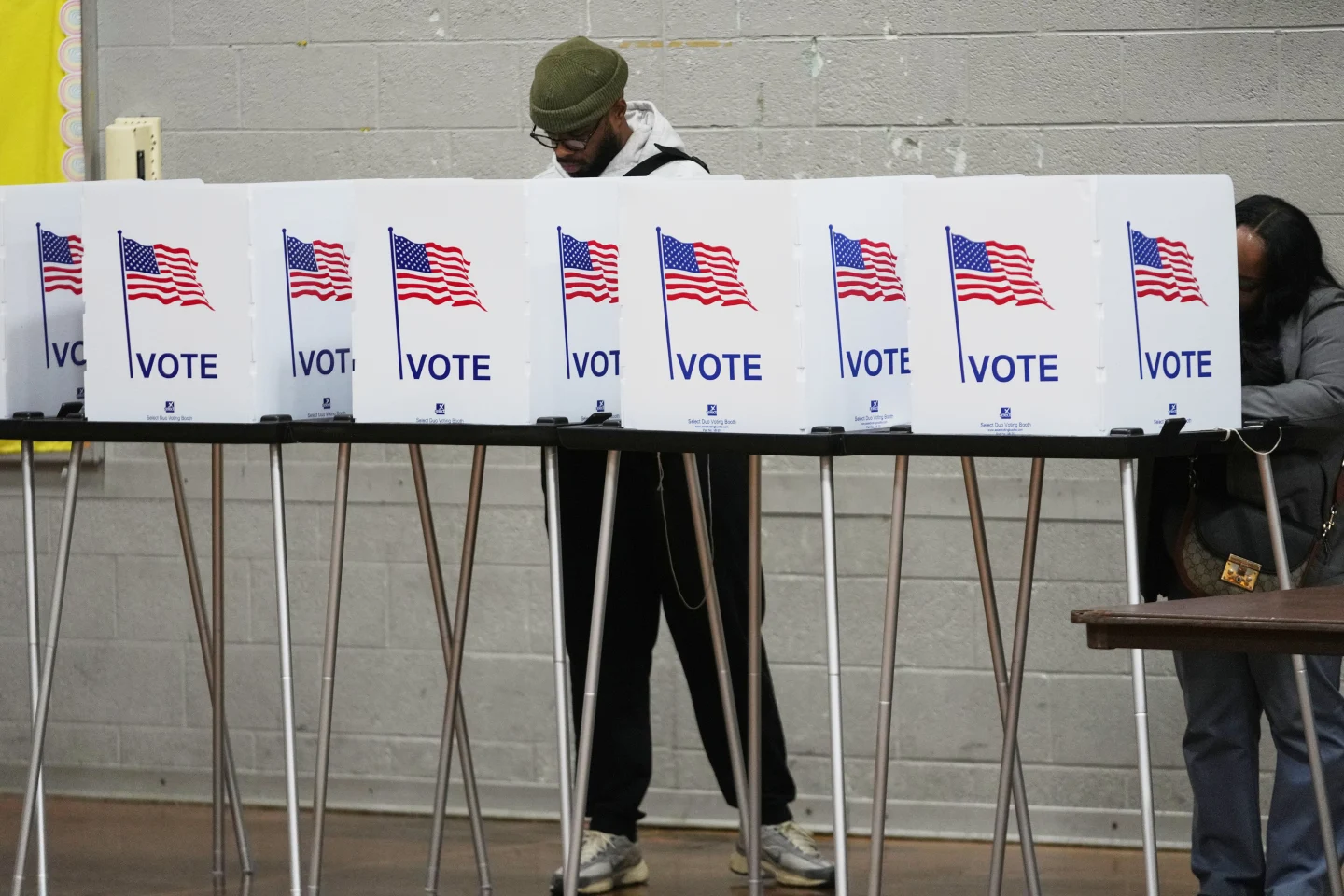
MADISON, Wis. — As the 2026 elections approach, discussions among Wisconsin Democrats increasingly center around one goal: achieving a trifecta. This term, a reference to complete control of state government, signifies their ambition to reshape Wisconsin's political landscape.
The new district boundaries, set by the liberal-controlled state Supreme Court, coupled with an open race for governor, have ignited hope among party members for the first time in 16 years. Such a political shift would mark a turnaround for a state that has been a battleground for conservative policies throughout the 2010s.
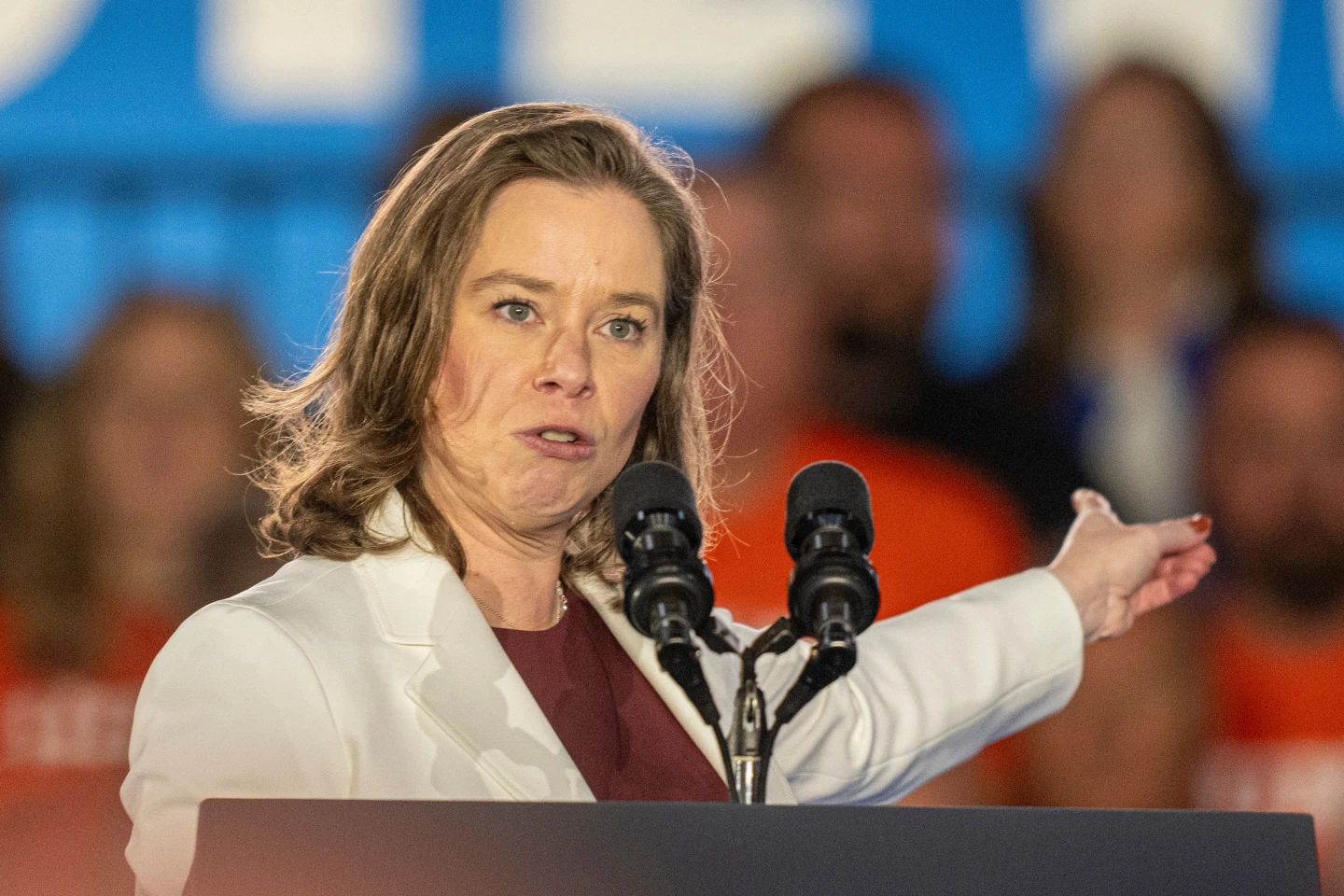
With the state legislature currently tilted towards Republicans, Democrats see a strategic opportunity. They aim to not only regain control but also expand Medicaid, enhance public school funding, and restore collective bargaining rights. Assembly Minority Leader Greta Neubauer expressed optimism, emphasizing the long-standing efforts that have laid the groundwork for a Democratic trifecta.
Historical Context
Republicans solidified their hold over Wisconsin politics in 2010, crowned by Scott Walker's governorship and the subsequent policies that led to the so-called Cheesehead Revolution. As they championed conservative reforms, the political landscape became increasingly polarized, leading to substantial Republican majorities.
But the tides may soon turn. Brian Reisinger, a former Walker campaign strategist, warned that should Democrats achieve a trifecta, much of what Republicans have fought for could be swiftly undone. High-profile Democratic candidates, including Mandela Barnes and Sara Rodriguez, are rallying support and fundraising to solidify their chances in the volatile political environment.
Challenges Ahead
Despite the encouraging signs for Democrats, there remains a high level of uncertainty regarding their success. Wisconsin is expected to stay a closely contested battleground, especially following Trump's victories in past elections. While Democratic leaders see a potential path forward, the importance of effective strategy and mobilizing grassroots support cannot be overstated.
The new legislative maps, which have replaced more partisan lines, present both opportunities and obstacles as Democrats need to flip specific seats to gain control. Republican leaders are not ready to concede and cite the importance of addressing citizen concerns beyond just opposition to Trump's policies.
As both parties gear up for the elections, the stakes are higher than ever, with the potential for significant political changes that could shape Wisconsin's future for years to come.