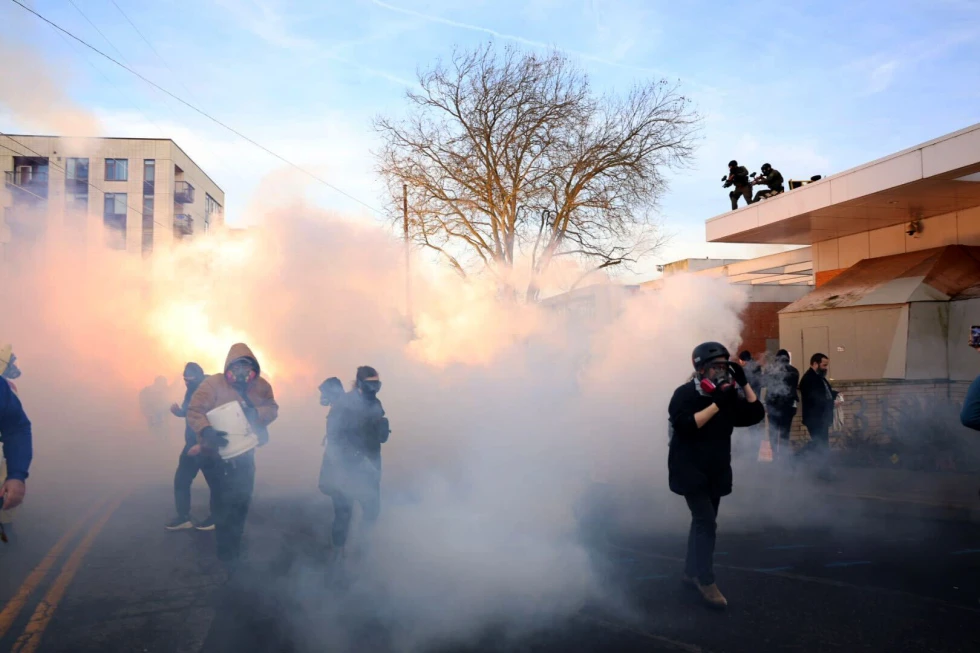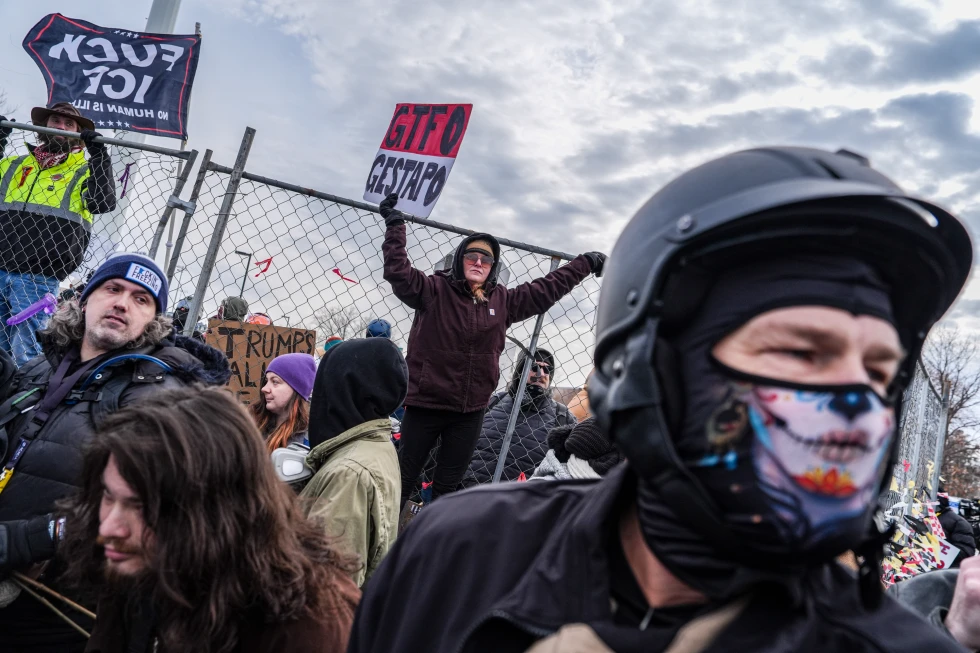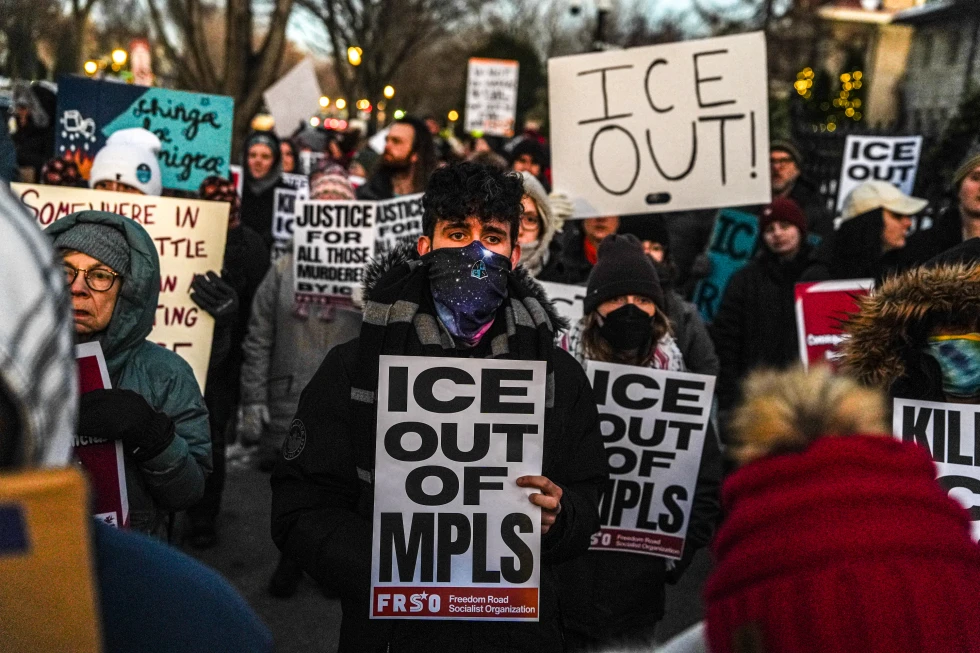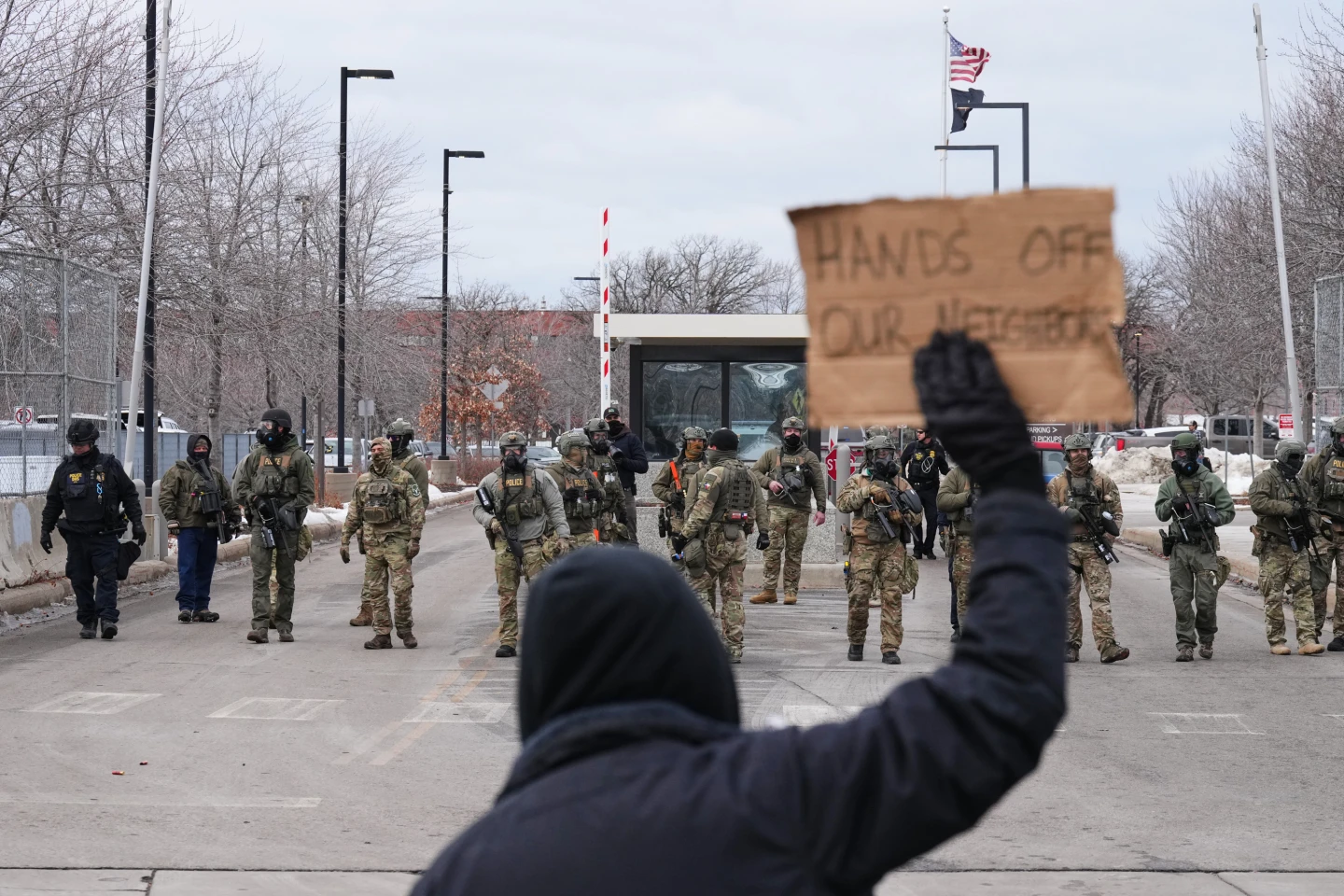
MADISON, Wis. (AP) — In an escalating reaction to federal immigration enforcement actions, particularly following violent incidents such as the recent shooting death of a protester in Minneapolis, Democrats across the U.S. are mounting efforts to introduce state legislation aimed at limiting the powers of federal immigration officials. These measures, some of which have re-emerged after years of being proposed, reflect growing support among Democratic-led states as they attempt to shield communities and uphold civil rights.
Among notable proposals, New York’s Democratic Governor Kathy Hochul is pushing for legislation that would allow individuals to sue federal immigration officers for alleged violations of their constitutional rights. Additionally, measures are underway to restrict immigration agents lacking judicial warrants from entering schools, hospitals, and places of worship.
Oregon Democrats are introducing similar legislation intended to allow residents to hold federal agents accountable under the Fourth Amendment against illegal search and seizure. New Jersey has also joined the effort, passing a series of bills that would prevent state law enforcement from cooperating with federal immigration enforcement, raising expectations for Governor Phil Murphy's expected decision on these measures.
California is proposing to prohibit its local law enforcement from taking second jobs with the Department of Homeland Security and aims to penalize ICE officers who make 'indiscriminate' arrests. As Democratic lawmakers rally for these changes, they face staunch opposition from Republicans, who argue these proposals endanger law enforcement and public safety.
In states led by Republican majorities, such as Georgia and Tennessee, Democratic lawmakers are still making their cases for immigration reform despite facing significant obstacles. Meanwhile, the Trump administration is challenging many of these state regulations, pushing back against what they assert are threats to law enforcement and public order.
As local governments and states like Minnesota and Illinois file lawsuits against the federal government over immigration actions perceived as punitive towards progressive jurisdictions, the scale and impact of these legislative efforts are expected to spark significant legal battles across the nation.
Among notable proposals, New York’s Democratic Governor Kathy Hochul is pushing for legislation that would allow individuals to sue federal immigration officers for alleged violations of their constitutional rights. Additionally, measures are underway to restrict immigration agents lacking judicial warrants from entering schools, hospitals, and places of worship.
Oregon Democrats are introducing similar legislation intended to allow residents to hold federal agents accountable under the Fourth Amendment against illegal search and seizure. New Jersey has also joined the effort, passing a series of bills that would prevent state law enforcement from cooperating with federal immigration enforcement, raising expectations for Governor Phil Murphy's expected decision on these measures.
California is proposing to prohibit its local law enforcement from taking second jobs with the Department of Homeland Security and aims to penalize ICE officers who make 'indiscriminate' arrests. As Democratic lawmakers rally for these changes, they face staunch opposition from Republicans, who argue these proposals endanger law enforcement and public safety.
In states led by Republican majorities, such as Georgia and Tennessee, Democratic lawmakers are still making their cases for immigration reform despite facing significant obstacles. Meanwhile, the Trump administration is challenging many of these state regulations, pushing back against what they assert are threats to law enforcement and public order.
As local governments and states like Minnesota and Illinois file lawsuits against the federal government over immigration actions perceived as punitive towards progressive jurisdictions, the scale and impact of these legislative efforts are expected to spark significant legal battles across the nation.