MADISON, Wis. (AP) — Wisconsin Democratic Gov. Tony Evers is questioning whether a proposal from his own lieutenant governor to ban federal immigration enforcement actions around courthouses, schools, day cares and other locations can, or should, be implemented.
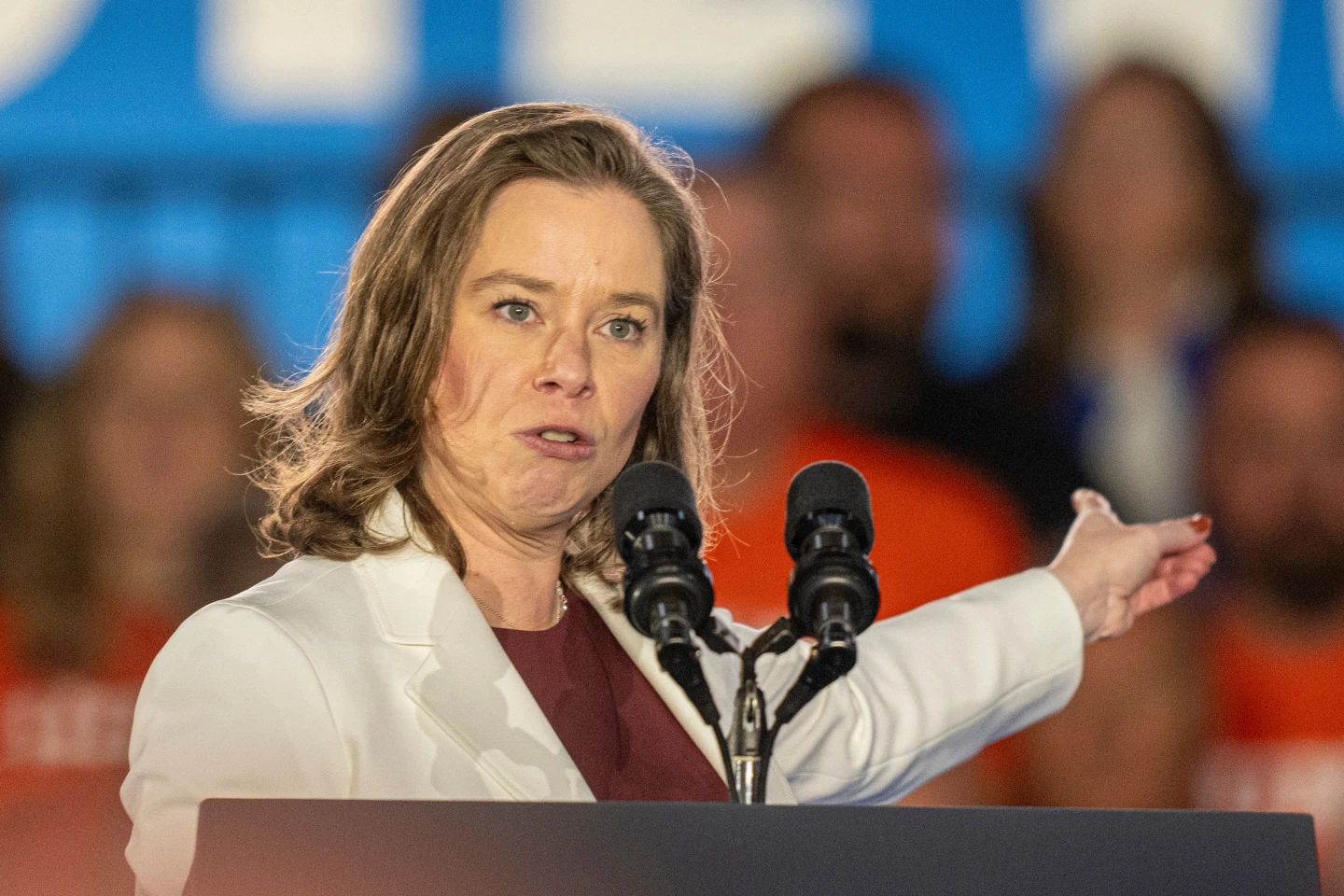
Lieutenant Governor Sara Rodriguez, who is running for governor this year, proposed on Monday that civil immigration enforcement should be prohibited at sensitive locations including courthouses, health clinics, child care centers, schools, and domestic violence shelters, with exceptions for judicial warrants or immediate threats to public safety.
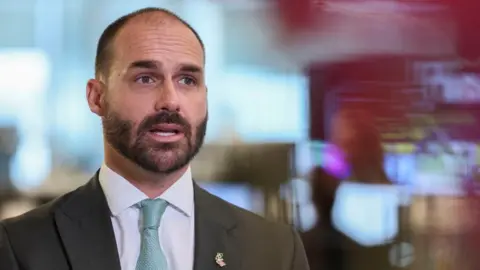
Evers expressed skepticism about the feasibility of such a ban, stating at a news briefing, I’m not sure we have the ability to do that. He also raised concerns about how the federal government, particularly under the Trump administration, would respond to such a move.
Banning things absolutely will ramp up the actions of our folks in Washington, D.C., Evers remarked, indicating a fear of escalating tensions with federal authorities.
This proposal arises after a tragic incident where an ICE officer in Minnesota fatally shot Renee Good, which has incited nationwide protests against aggressive immigration enforcement. Minnesota, along with its cities, has filed a lawsuit against the Trump administration to halt ICE enforcement actions.
Rodriguez’s initiative aligns with similar actions proposed in other Democratic-led states like California and New York. She is also advocating for transparency, calling for all ICE agents in Wisconsin to be clearly identified and equipped with body cameras, emphasizing the need for accountability in enforcement actions.
When asked if ICE agents were welcome in Wisconsin, Evers replied, I think we can handle ourselves, frankly. I don’t see the need for the federal government to be coming into our state and making decisions that we can make in the state. This statement reflects a growing sentiment among various states advocating for autonomy in immigration policies.