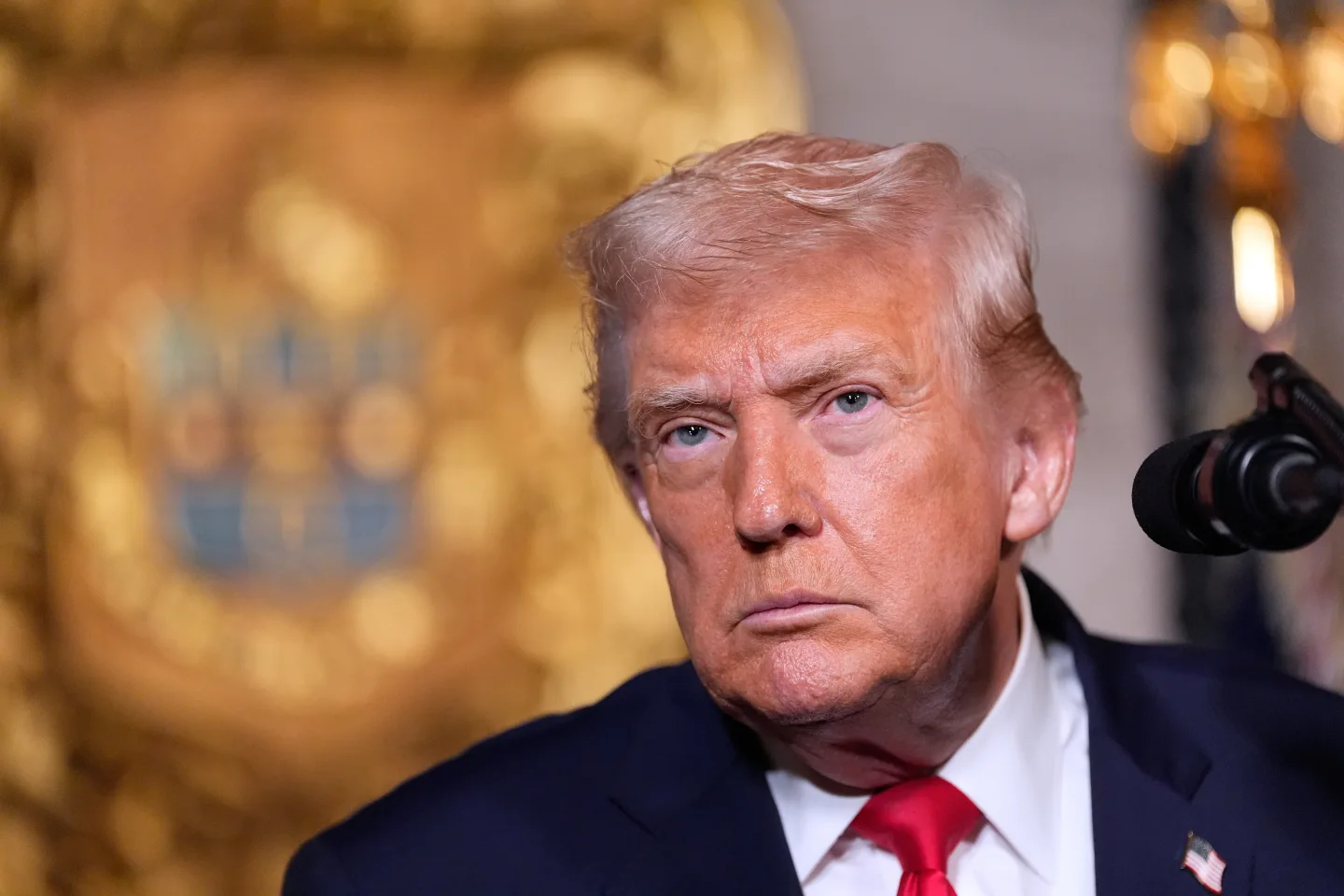
Amid concerns that Republicans could lose their slim majority in the House of Representatives in the 2026 midterms, former President Donald Trump is actively trying to alter the electoral landscape. History suggests that incumbent parties often suffer losses during midterm elections, and Democrats are wary of Trump's efforts to reshape congressional districts to favor Republican candidates.
Trump is reportedly directing initiatives to remap congressional districts and has raised concerns about potential military deployments to Democratic cities, which opponents claim could intimidate voters. Remarks from Democratic leaders caution that such tactics may serve to manipulate electoral turnout under the guise of national security.
As the Republican Party gears up for the midterms, Trump's approach has drawn fire as critics highlight his previous attempts to maintain power post-2020 elections, which saw a violent insurrection at the Capitol instigated by his followers.
Ken Martin, DNC chairman, expressed dire predictions about military presence affecting voter turnout. Despite the dire warnings, past elections have transpired without major incidents of military interference, fueling debate over whether Democrats are engaging in political fearmongering or if legitimate concerns are being raised.
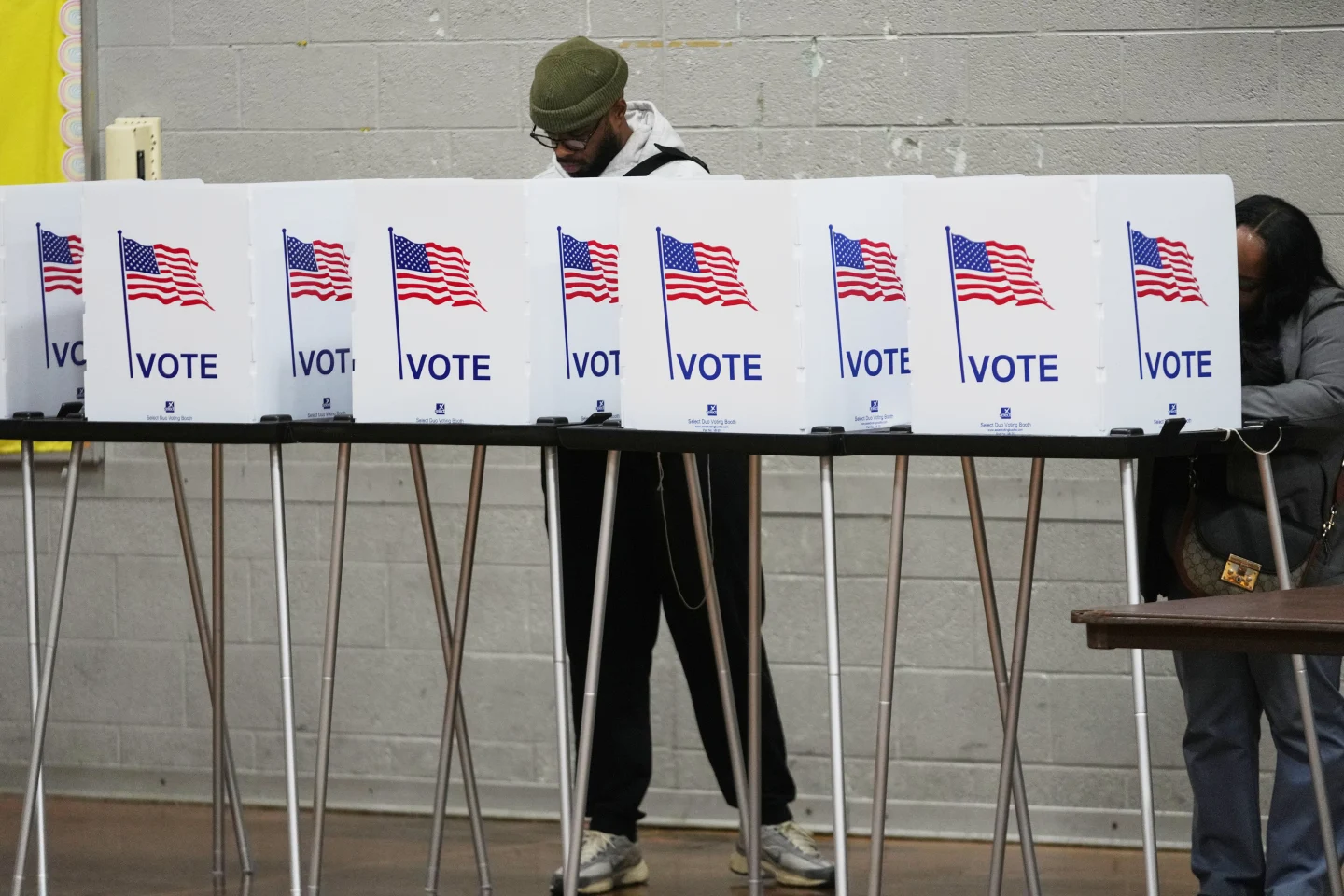
While both parties prepare for a combative election cycle—Democrats focusing on 'voter protection' and Republicans advocating for 'election integrity'—legal experts assert the constitutionally limited scope of presidential influence over state-run elections remains intact. Nonetheless, ongoing demands from the Department of Justice for sensitive voter data amplify the apprehensions among voting rights advocates.
As the 2026 elections draw near, it remains critical for both party officials and the public to remain vigilant against potential electoral controversies while emphasizing the democratic process's integrity.