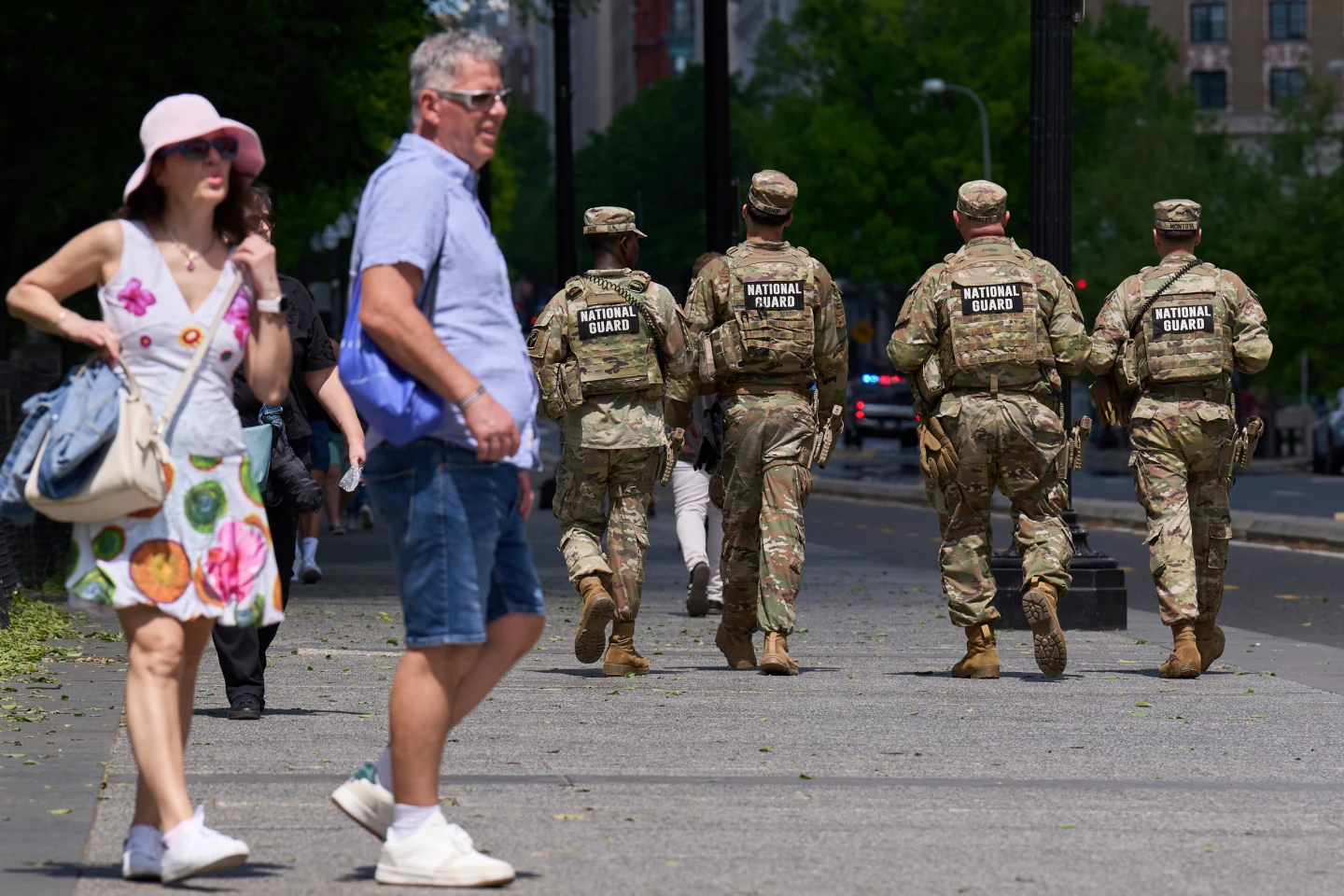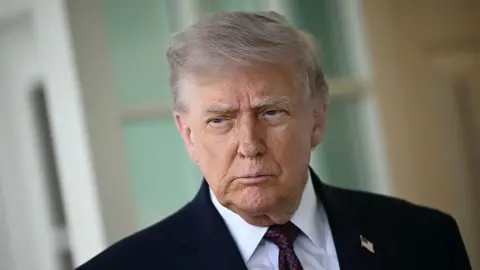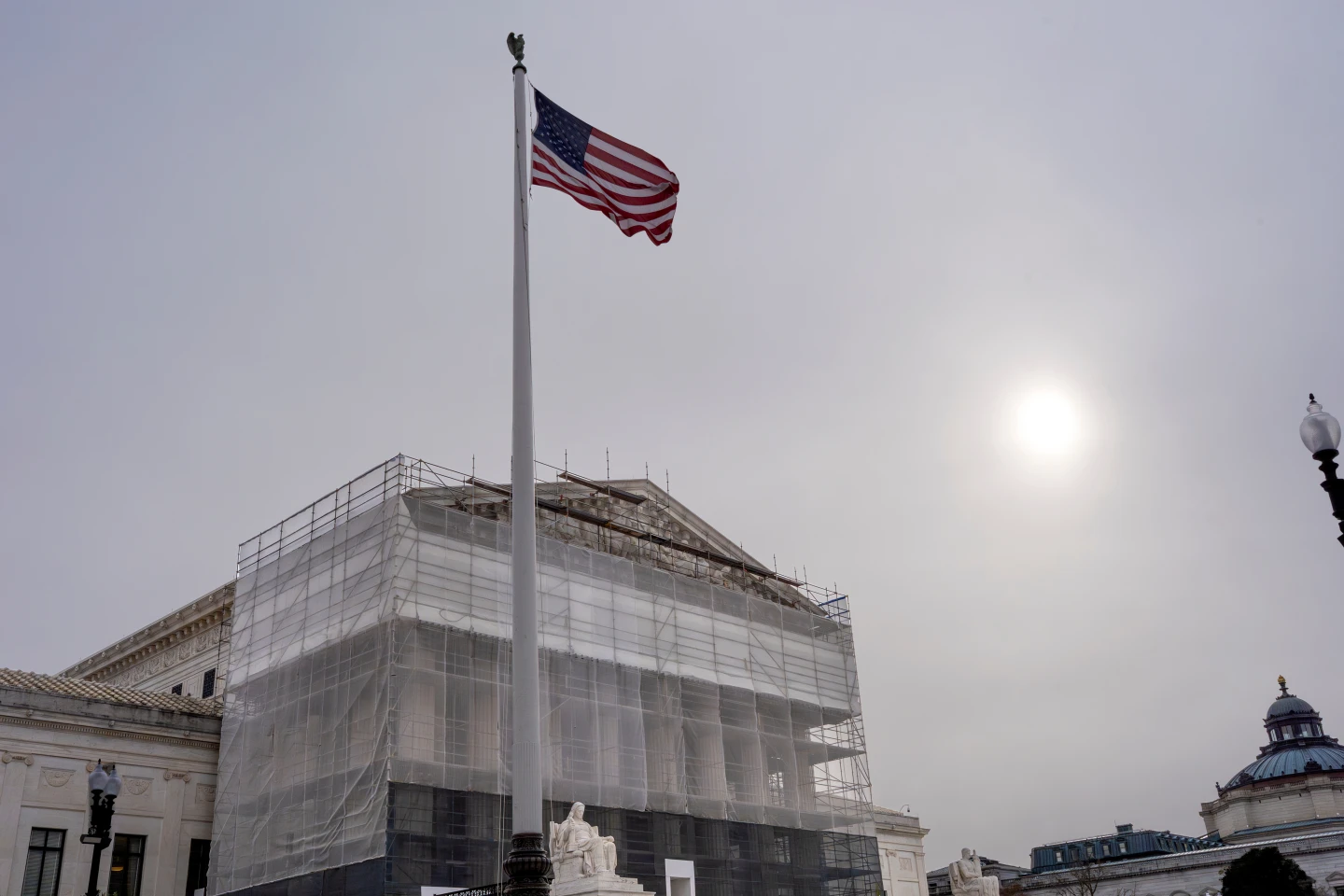
The U.S. Supreme Court denied President Trump's request to deploy National Guard troops to Chicago, siding with a lower court ruling that blocked the deployment. This decision reflects the high court's reluctance to support the administration's military interventions in urban areas, particularly those controlled by Democratic leaders. Justices Alito, Thomas, and Gorsuch dissented in the ruling.
The Trump administration had initially requested the troops from Illinois and Texas, citing the need to protect federal personnel and property amidst protests against immigration laws. However, Judge Perry determined there was no substantial evidence indicating a threat to federal operations in the Chicago area, where protests had occurred but did not interfere with immigration enforcement.
This outcome could influence similar legal challenges across other Democratic-led cities where deployment attempts have faced opposition. Further, the Supreme Court's ruling adds to a growing list of legal battles regarding National Guard deployments across the country, including ongoing cases in California and Oregon. The Trump administration is reportedly appealing lower court decisions blocking troop deployments in those states.
The Trump administration had initially requested the troops from Illinois and Texas, citing the need to protect federal personnel and property amidst protests against immigration laws. However, Judge Perry determined there was no substantial evidence indicating a threat to federal operations in the Chicago area, where protests had occurred but did not interfere with immigration enforcement.
This outcome could influence similar legal challenges across other Democratic-led cities where deployment attempts have faced opposition. Further, the Supreme Court's ruling adds to a growing list of legal battles regarding National Guard deployments across the country, including ongoing cases in California and Oregon. The Trump administration is reportedly appealing lower court decisions blocking troop deployments in those states.