1. Security & Piracy Risk
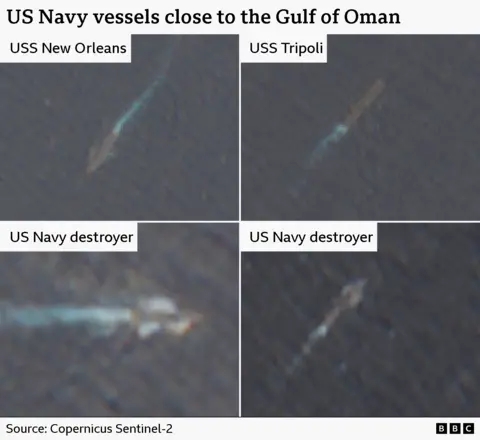
The state of war in the region means Iranian forces routinely fire on un‑authorized ships. US naval blockades have even led to missiles striking vessels. Only seven ships have safely passed the strait since the US‑Iran deal was announced.
2. Mine Threat
Iran threatened to deploy floating sea mines if its coastlines were attacked. Warnings from the Joint Maritime Information Center, Oman's Maritime Security Centre, and US officials confirm the presence of disputed “floating objects.” Removing a minefield may take 30 days to 6 months, during which ships must move very slowly for surveys.
3. Upcoming Tolls or Fees
Historically free, the strait could soon charge a service fee under new Iranian‑Omani arrangements. Questions remain about how the fee would be collected and who would enforce it, potentially limiting daily traffic.
Current Traffic Snapshot
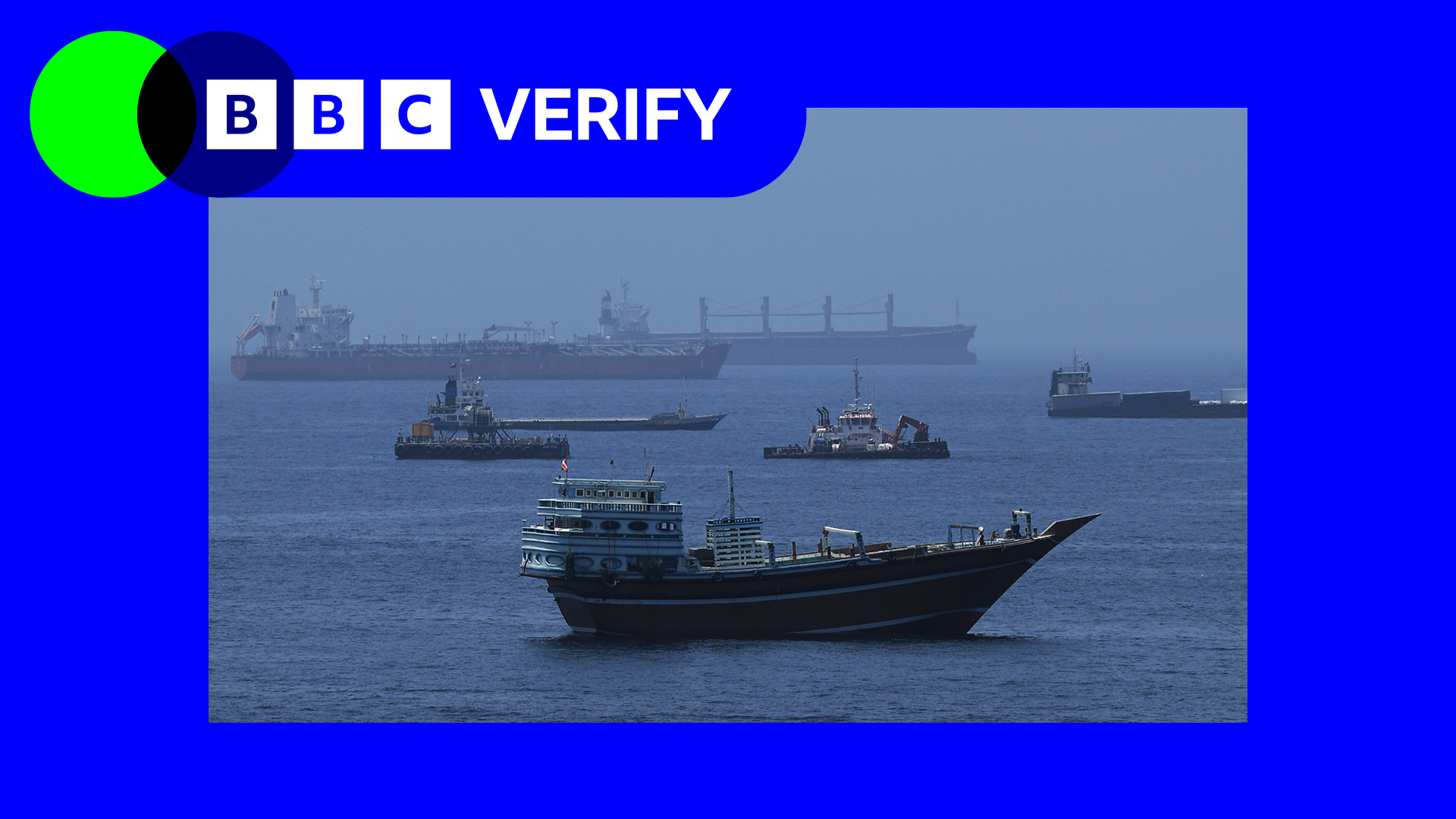
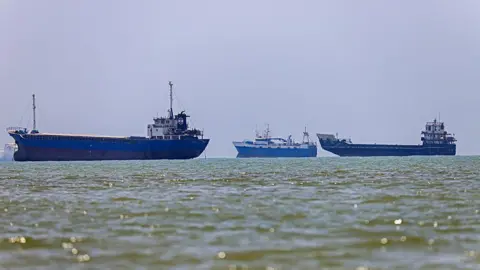
MarineTraffic data shows 250+ tankers and 330+ cargo ships lingering in the Gulf, 75% stationary near export terminals. The true number is higher because many vessels do not broadcast their positions.
What’s Next?
Once the US‑Iran deal is signed, the political blockade may lift quickly, but merchant ships are likely to recover gradually. Clearing mines and finalising toll procedures will dictate the pace at which the Gulf sees regular traffic again.