In brief
Measles vaccination rates among Minnesota's Somali population have plummeted from 92% in 2006 to approximately 24% today, as fears surrounding immigration enforcement deter parents from seeking medical care. Public health advocates are battling misinformation, but the community faces ongoing challenges, including a lack of trust in healthcare providers and a series of measles outbreaks. With rising cases, health officials stress the need for increased immunization efforts.
MINNEAPOLIS (AP) — Public health officials and community leaders report a crisis brewing in Minneapolis as federal immigration authorities have intensified their focus on the area. The immigrants' fears have compounded already low measles vaccination rates among the local Somali community, significantly declining from 92% in 2006 to just about 24% today.
One significant factor contributing to this decline is the spread of misinformation that suggests a link between vaccines and autism. “Vaccines are the last thing on people’s minds,” said Munira Maalimisaq, a nurse practitioner in the Somali-rich neighborhoods. “People are worried about survival.” Amid community discussions shifting online due to fear of seeking healthcare, parents are grappling with pressing issues like remote education and grocery shopping.
Despite mobilization efforts like vaccine confidence task forces and community clinics, measles cases are dramatically rising, raising concerns that the U.S. may lose its measles elimination status. Imam Yusuf Abdulle highlighted that the immigration crackdown has worsened the situation, with families afraid to leave their homes. Before the immigration crackdown, mosques and malls buzzed with social gatherings; now, many feel paralyzed.
Furthermore, confusion and distrust have been fueled by high autism rates in Somali children, which have sparked deep concerns within the community. Public health officials, including those at Minnesota's health department, highlighted that strong, clear, and consistent messaging is crucial in combating the climate of fear and misinformation. Although initiatives to encourage vaccinations have been launched, they have often stalled or stopped altogether.
As measles outbreaks occurred in 2011, 2017 and 2022, the community grapples with the harsh realities of vaccine hesitancy. With respected voices in the community sharing personal experiences about autism and vaccination, many are slowly beginning to understand that correlation does not imply causation.
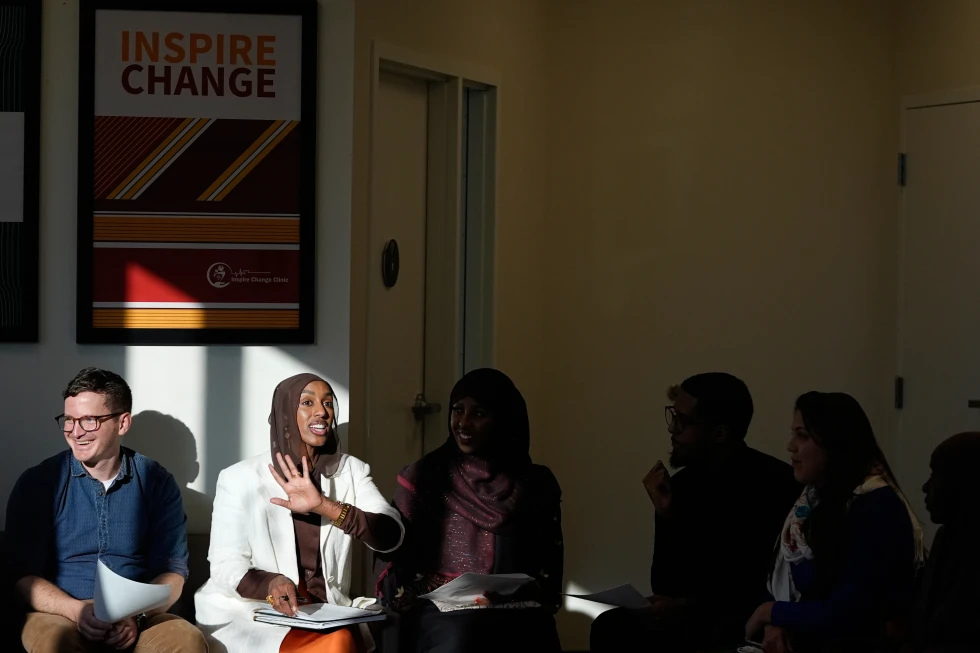
Despite a significant drop in vaccination rates, encouraging signs exist: in a recent program at Inspire Change Clinic, 83% of the cohort vaccinated their children. Health professionals note the importance of continual outreach and addressing parental concerns through education and dialogue.
“Measles is just a plane ride away, and it will find the unvaccinated,” says Carly Edson of the Minnesota health department. The urgent need for vaccines is evident, as health officials work to re-establish trust and connection with the Somali community, aiming to navigate the layers of fear, misinformation, and need for protection from outbreaks.