As federal immigration enforcement ramps up under the Trump administration, local governments are pushing back against measures that would see thousands of detained immigrants housed in their communities. Recently, the President's initiative to expand detention facilities—backed by a $45 billion budget—has triggered significant resistance from city officials across the United States.
Concerns heightened after tragic incidents involving immigration enforcement actions in Minnesota, raising questions about the implications of expanding ICE's operational footprint. Public hearings in locations like Hanover County, Virginia, have drawn large crowds, with residents voicing strong opposition to proposed detention centers. Local residents fear that such facilities could mirror the violence seen in recent immigration-related shootings.
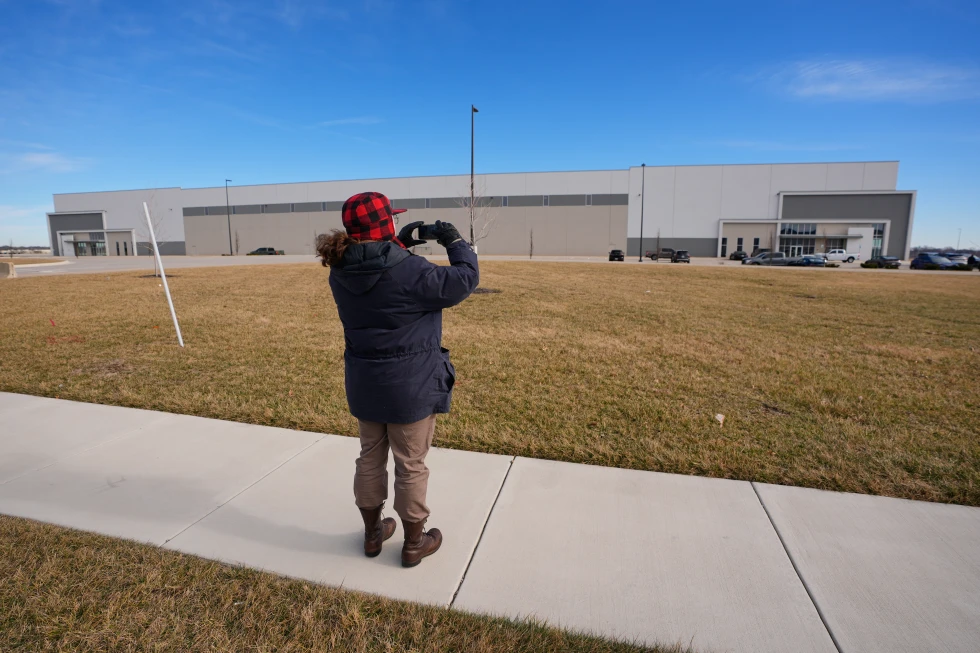
In light of these situations, Kansas City, Missouri, has enacted a moratorium on non-city-run detention facilities, while similar stands have been taken in Oklahoma City and Salt Lake City, where property owners are actively refusing to provide venues for ICE
Additionally, in states led by Democratic legislatures, measures are being pushed through to restrict ICE's ability to operate. A New Mexico bill is making strides to prohibit local governments from contracting with ICE for detention facilities, with a similar tax proposal introduced in California aiming to deter companies from running detention sites.
Federal data shows that the number of detained immigrants surged to over 70,000, an alarming increase since Trump’s presidency began. The growing operational capacity of ICE, with plans to establish larger, more centralized facilities, has sparked community fears about federal overreach and the challenging dynamics between local governance and federal mandates.
Local leaders assert that their concerns, grounded in community safety and resource allocation, conflict with ICE's expansionist strategies. Despite ongoing legal challenges regarding the jurisdiction of local entities to regulate or block private detention centers, the momentum against ICE's plans seems to be gathering support.
As the landscape of U.S. immigration policy continues to evolve, cities are preparing to stand firm against federal encroachments, advocating for their communities amid a nationwide debate over immigration enforcement.