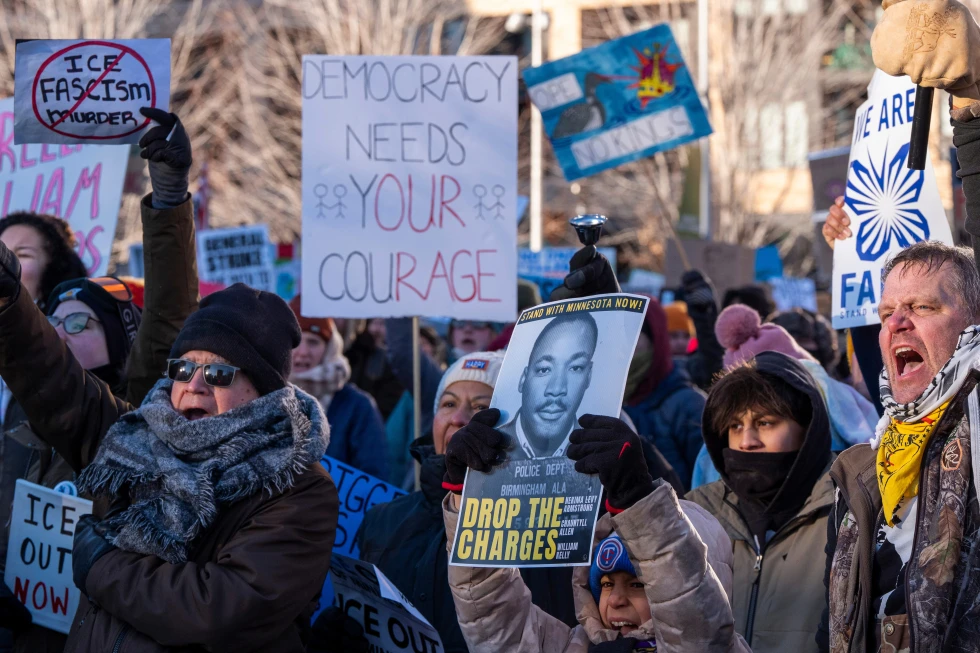
The shooting deaths of protesters Alex Pretti and Renee Good by federal officers in Minneapolis have reignited familiar concerns over the treatment of victims in police violence cases. Voices across the community are demanding a reevaluation of how such incidents are portrayed, particularly in light of deeply rooted systemic issues.
As skepticism grows, families of those lost to law enforcement violence, like Clarence Castile, have expressed frustration with the repeated pattern of quick conclusions drawn by authorities. Castile noted eerie similarities between the narratives presented in his nephew's case and the recent killings, indicating a troubling lack of change over time.
Experts stress the importance of accuracy and careful communication from law enforcement during such critical incidents, asserting that rushing to conclusions can damage both public trust and the integrity of investigations. Timothy Welbeck from Temple University emphasized how these recent tragic events reflect historical scrutiny by Black Americans towards policing practices in the U.S.
The deaths of Pretti, a Veterans Affairs ICU nurse, and Good, described by her family as a radiant figure in their lives, quickly became rallying points for protests against the increased militarization of law enforcement. The contrasting narratives attributed to these victims, framed as extremists without supporting evidence, have provoked outrage and dismay.
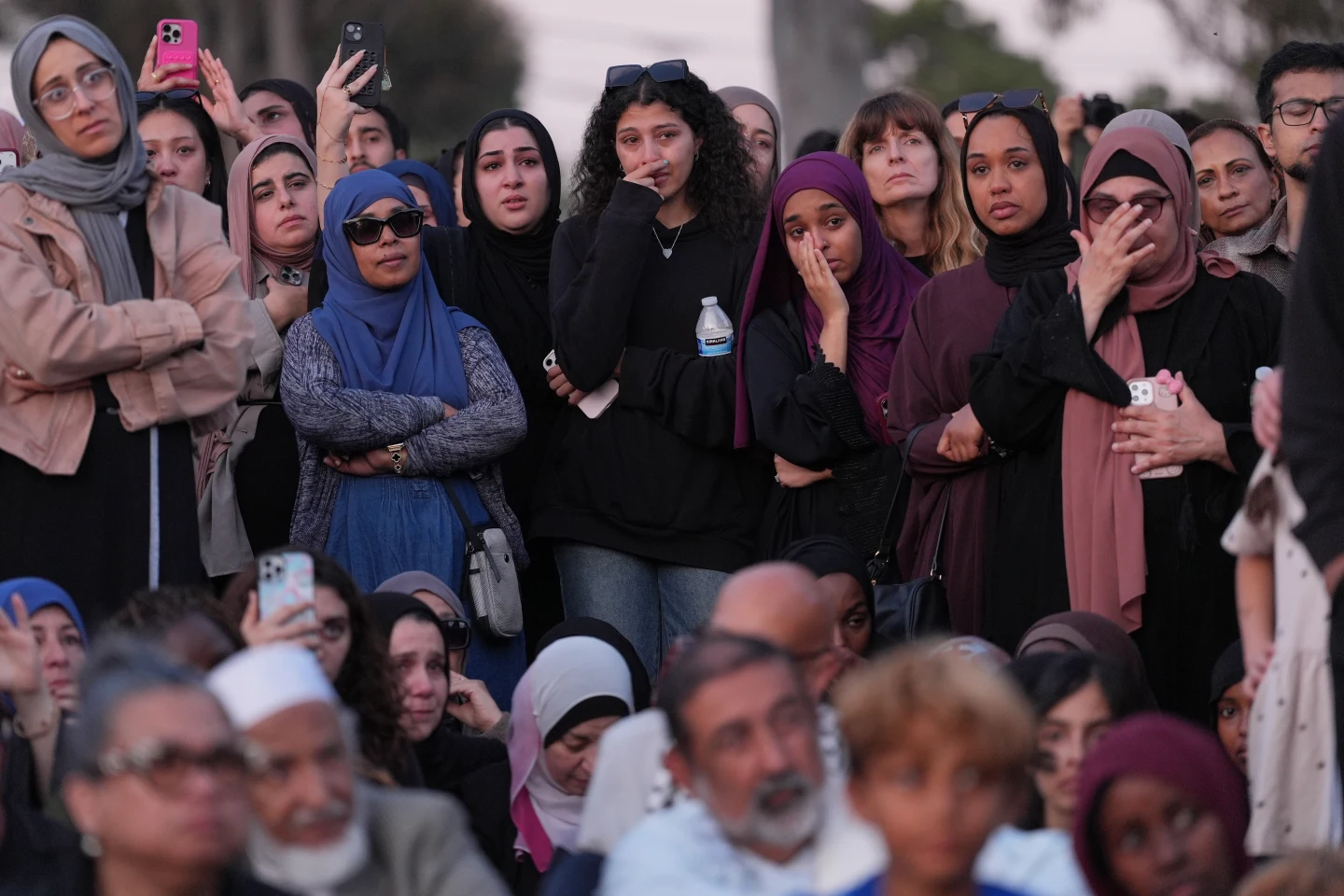
As feelings of discontent surface within the community and across the country, activists like Melina Abdullah are bridging the gap between historical injustices faced by Black victims and the current outrage over Pretti and Good's deaths. Abdullah stated the need for solidarity in mourning all victims of police violence, highlighting that injustice transcends race.
Tiffany Crutcher, sister of Terence Crutcher, a victim of police violence, shared her trauma regarding officials' narratives. She expressed that while society often believes law enforcement immediately, there are signs of shifting perceptions, hinting at a broader awareness of unequal justice.
As investigations into the killings of Pretti and Good progress, community voices remain critical in pushing back against harmful narratives and advocating for a more equitable approach to justice.