In brief
As unrest continues in Minneapolis, local journalism, particularly from the Minnesota Star Tribune, is showcasing its importance. The outlet has provided investigative pieces, photographs, and coverage that reflect grassroots knowledge and an active civic ecosystem, allowing it to effectively report on ongoing events. Despite challenges faced by the industry, the Star Tribune has aimed for a digital-first approach, maintaining a steady staff and seeing traffic increases amid national attention.
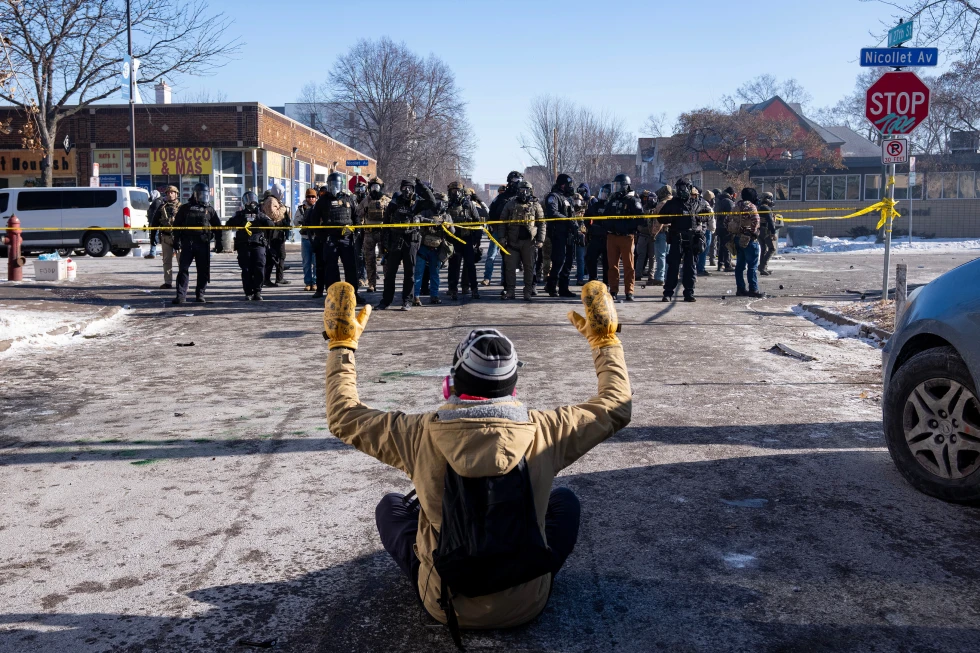
With the eyes of a nation fixed on the unrest in Minneapolis, local journalists have stepped into the fray, adapting to unprecedented challenges. The Minnesota Star Tribune has emerged as a critical voice, breaking significant stories such as the identity of the immigration enforcement officer involved in the shooting of demonstrator Renee Good. Notably, a striking photograph by Richard Tsong-Taatarii captured the dramatic situation of a demonstrator sprayed with chemical irritants, which quickly became a defining image of the protests. While many regional newspapers face decline, the Star Tribune has sustained its staff and dedicated resources to digital transformation under the ownership of billionaire Glen Taylor. This preparation has enabled responsive journalism in real-time, emphasizing the publication's solid journalistic tradition within a thriving local media ecosystem that includes public radio and outlets like the Sahan Journal.Local journalists, equipped with an understanding of their communities, have been pivotal in reporting, as seen with Josie Albertson-Grove, who was one of the first on the scene after a tragic shooting. This local insight allows reporters to develop sources and access information unique to the community. Significantly, the staff’s commitment extends beyond daily beats; all team members contribute to the broader coverage of the unrest, fostering a collaborative spirit within the newsroom. The Star Tribune has also undergone radical changes, shutting its Minneapolis printing plant and shifting to a more digital-oriented operation, reflecting wider trends in the media landscape.Throughout this turbulent time, the journalists at the Star Tribune face the workload along with personal challenges, balancing professional responsibilities with family life amidst ongoing strife. Their dedication to informing the public highlights the essential role of local journalism in times of community crisis.