WASHINGTON (AP) — A new partial government shutdown began recently, differing markedly from earlier, more prolonged government closures. This current situation is anticipated to resolve quickly as members of Congress return to address funding legislation.
The House of Representatives aims to expedite the passage of funding measures to end the current shutdown. Already, crucial funding bills have been approved, allowing key federal agencies to continue operating as planned. Programs such as SNAP (Supplemental Nutrition Assistance Program) are expected to run without disruption, ensuring assistance to millions of low-income families.
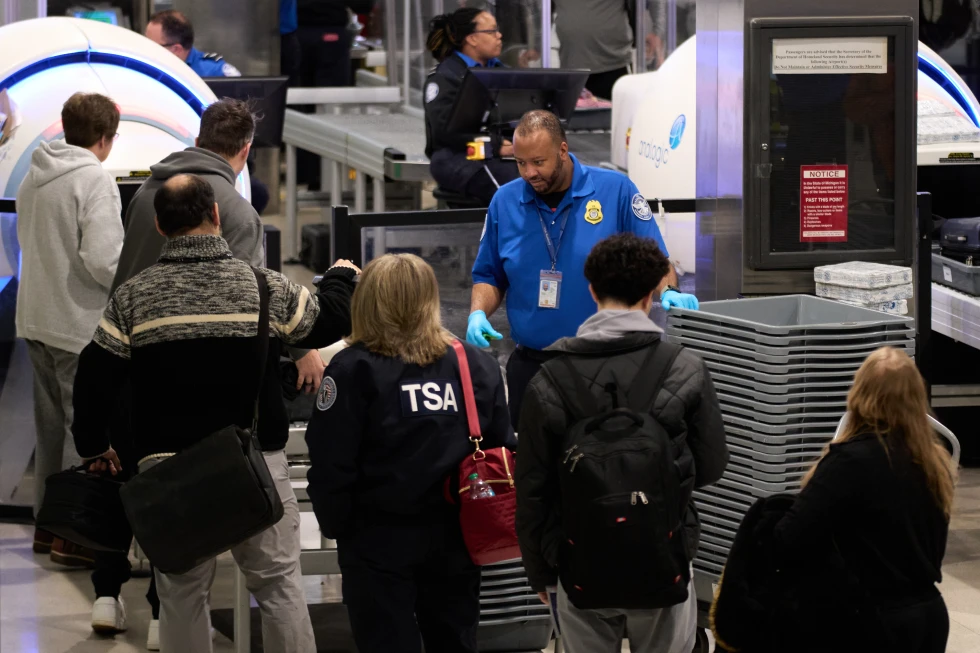
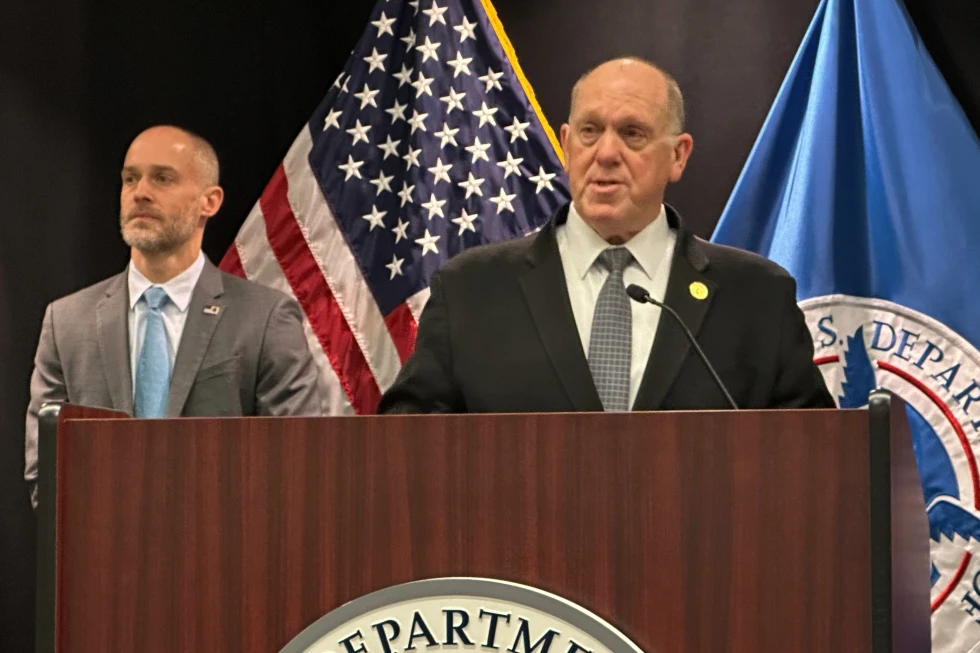
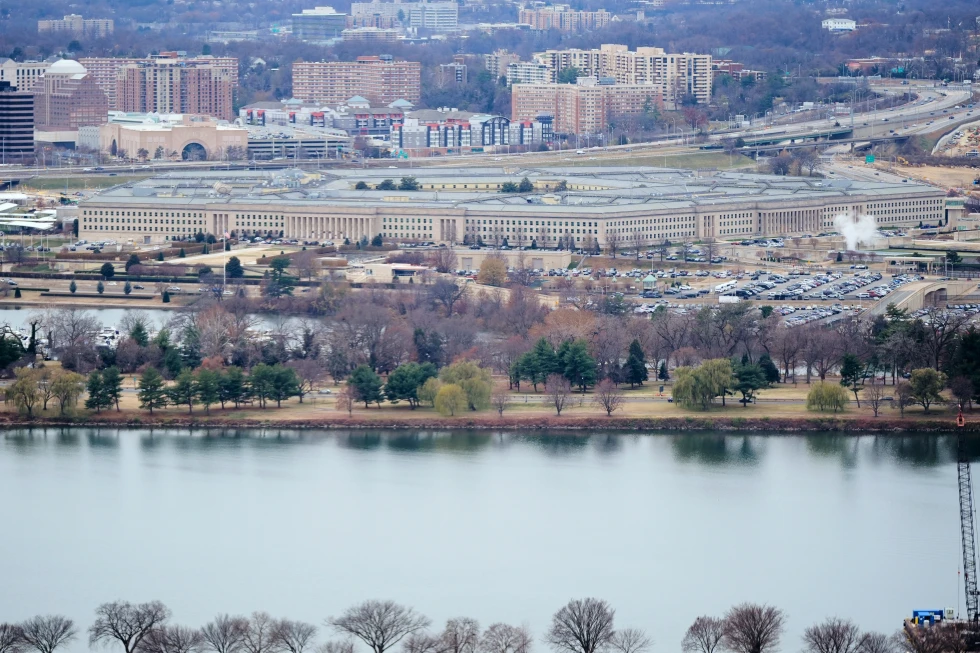
Nevertheless, funding will temporarily lapse for departments including the Pentagon and the Department of Homeland Security (DHS), potentially affecting personnel pay and operations should the gridlock extend.
Reasons Behind the Shutdown
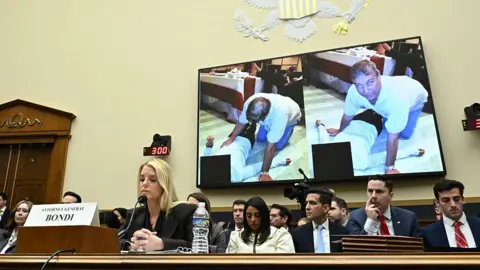
This government funding battle arose with bipartisan cooperation initially showing promise. However, the recent violent incidents involving federal agents in Minneapolis have intensified Democratic demands, specifically regarding provisions in the DHS funding bill. They insist on changes to immigration enforcement, pushing for an accountability framework for federal workers involved in investigations.
President Trump's administration is keen on swiftly resolving this uncertainty, having negotiated a temporary funding agreement with Democrats that supports DHS at current levels for two weeks while discussions continue.
As both chambers seek to finalize the needed funding package upon their session's resumption, many look back to prior government shutdowns, often short-lived and with minimal impact on the public. Unlike those situations, which sometimes resulted in severe disruptions, today's reality includes a reassurance that vital safety nets like SNAP remain secured throughout this funding impasse.
Ultimately, the political landscape continues to shift, urging swift action to stabilize government operations while questions loom over how long the current shutdown could extend and the subsequent ramifications it might hold for various federal programs and services.