In brief
India's upcoming Republic Day on January 26 marks a significant occasion not only for national celebration but also for showcasing its foreign policy priorities. The selection of European Commission President Ursula von der Leyen and European Council President António Costa as chief guests emphasizes India's commitment to strengthening ties with the EU, reflecting shifting diplomatic landscapes and strategic partnerships.
India will mark its 77th Republic Day on 26 January - the day when the country adopted its constitution and formally became a republic, breaking from its colonial past.
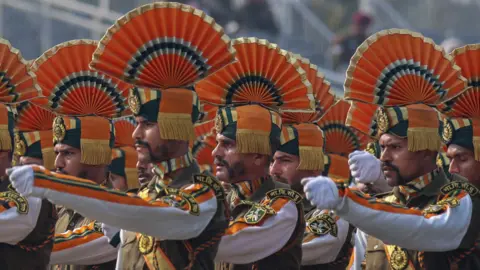
The annual grand parade will take place along Delhi's iconic central boulevard, with military tanks rolling past and fighter jets roaring overhead as thousands watch.
This year, the Republic Day celebrations will be honored by the presence of European Commission President Ursula von der Leyen and European Council President António Costa, placing the European Union at the forefront of one of India’s most significant state events.
The parade not only showcases India's military might and cultural diversity but also reflects its foreign policy priorities. Historically, the choice of chief guest has indicated which international relationships India is emphasizing at any given time.
Since the practice began in 1950 with Indonesian President Sukarno, visiting dignitaries have included leaders from neighboring countries and major global powers, indicating India's evolving global position.
The selection process for chief guests is managed by the foreign ministry, considering strategic objectives, regional balance, and previous invitations to shape India's diplomatic outreach.
With the EU leaders attending, analysts suggest a potential trade agreement could be on the horizon, signaling a harmonious alignment amidst various geopolitical challenges, including ongoing discussions with the US on trade relations.
Unlike many nations that celebrate military victories, India's Republic Day highlights its transition to a constitutional democracy, blending cultural showcases with military displays to present a unified national identity.
As India continues to engage with a rapidly changing global landscape, the choice of guest at its Republic Day underscores its diplomatic strategy and the significant international relationships it aims to nurture.