In brief
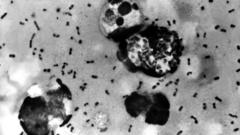
In a tragic update from Arizona, health officials announced the death of a local resident due to pneumonic plague. This is notably the first fatality linked to the disease in Coconino County since 2007, where a previous incident involved a person who came into contact with an infected dead animal. The pneumonic plague, a severe lung infection caused by the bacterium Yersinia pestis, brings to mind the historical "Black Death" that ravaged Europe in the 14th century, although modern-day cases are rare and treatable with antibiotics. The Centers for Disease Control and Prevention reports an average of only seven cases annually in the United States.
Coconino County officials reassured the community that the risk of exposure remains minimal. Patrice Horstman, chair of the Coconino County Board of Supervisors, expressed condolences to the loved ones of the deceased, stating, "We are keeping them in our thoughts during this difficult time." Out of respect for the grieving family, additional information about the incident has not been disclosed.Pneumonic plague spreads primarily through untreated cases of other plague forms, such as bubonic plague, which is transmitted through flea bites. Symptoms for all types of plague generally emerge within a two to eight-day window, presenting with fever, chills, and swollen lymph nodes. Fortunately, plague has been nearly eradicated in the UK, with the government noting the low likelihood of cases occurring there.Preventative measures against the plague include applying insect repellents to safeguard against flea bites, steering clear of contact with dead animals, and avoiding crowded areas where symptoms have recently surfaced.