PHOENIX — A year into Donald Trump's second term, the foundation of his 2024 Latino support is crumbling. New polling reveals a dramatic reversal from his campaign's gains: while Trump secured 43% of Latino voters nationally—up from 35% in 2020—his approval rating among this group has plummeted from 93% to 66% in April 2026. The decline comes as Latino voters report aggressive enforcement operations that disproportionately target communities, with over half of Latino adults knowing someone impacted by Trump-era immigration sweeps.
Sandra Ramirez, a Phoenix resident who voted for Trump in 2024, exemplifies the shift. 'I watched footage of immigration officers cracking down on migrants and knew my vote was a mistake,' she said. 'There are people being harassed for the color of their skin—that’s not right. I’ll never go Republican again.' Her story reflects a broader disillusionment, with former supporters now questioning the administration's approach to immigration.
Arizona—the state where Trump won significant Latino support—has become a battleground for these tensions. Maricopa County, home to the largest Latino population in the U.S., has seen dramatic political realignment. Once dominated by Republicans, the county now has Democrats holding all three top offices: Governor Katie Hobbs, Secretary of State Adrian Fontes, and Attorney General Kris Mayes. Winning back Latino voters will be crucial for these Democrats in the 2026 midterms.
The shift echoes Arizona's own immigration history. In 2010, the GOP-controlled legislature passed SB1070—a controversial law requiring police to check immigration status—while Sheriff Joe Arpaio conducted high-profile raids in Latino neighborhoods. Former Republican Governor Jan Brewer, who signed SB1070, warns the GOP may lose its Latino base: 'With inflation and the cost of living and the wars, I don’t know if they can afford to be a Trump Republican.'
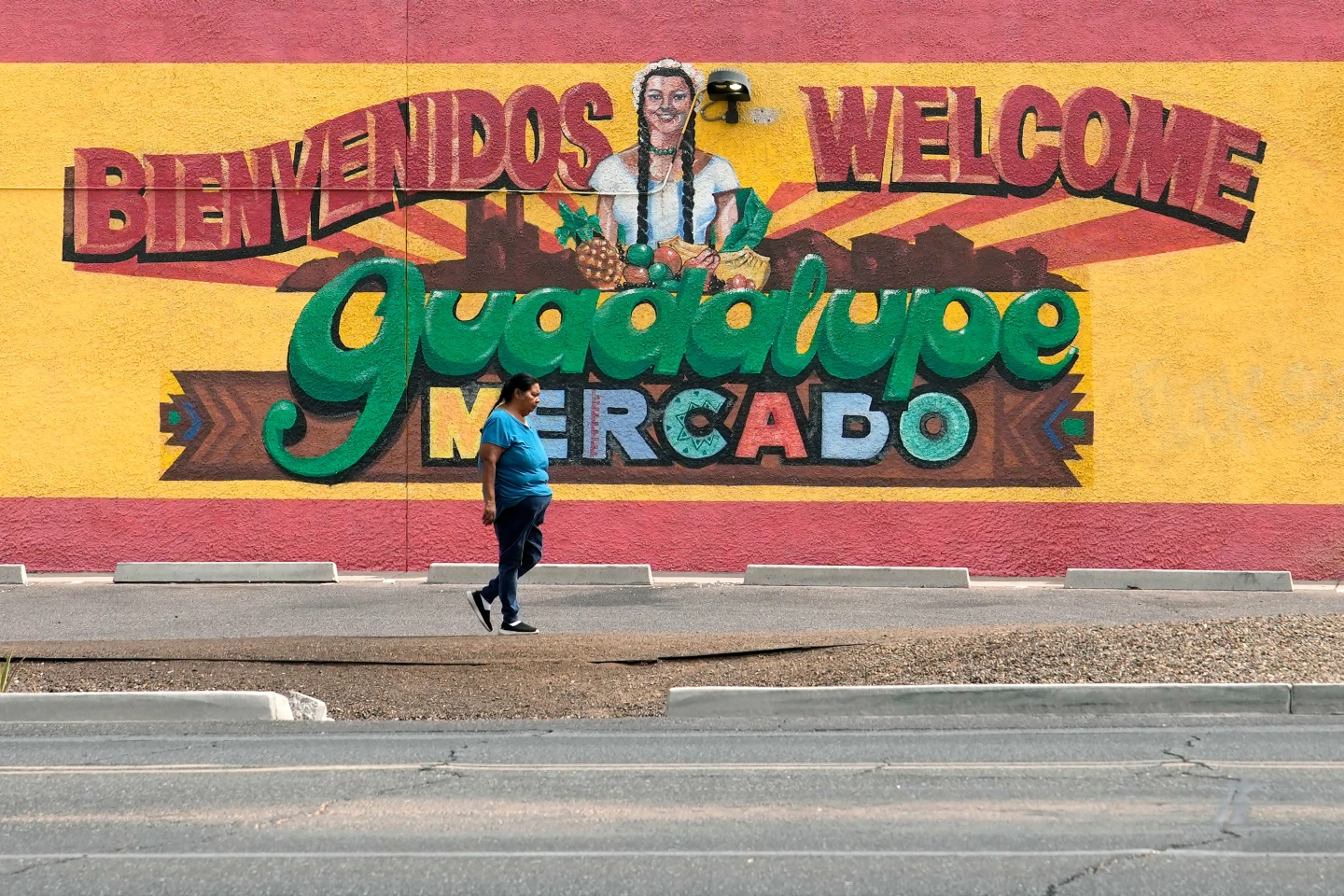
In Phoenix's southside, opinions remain deeply divided. Albert Rodriguez, a tattoo artist who once supported Trump, now regrets his vote after witnessing ICE raids targeting 'paleta man'—vendors selling frozen treats. 'Big time, I regret it,' he said. Meanwhile, Army veteran Ronnie Martinez defends Trump's border policies: 'The border is only a hop, skip and a jump to our south. And I don’t want illegal alien criminals coming from Guatemala, Venezuela, Central America.'
The administration's aggressive enforcement has also sparked political fallout. A 2024 AP-NORC poll found that 56% of Latino adults know someone affected by Trump's crackdowns. Former activist Earl Wilcox, whose restaurant hosted Biden during a Latino outreach initiative, notes: 'I don’t think the Republican Party will have the support it did the second time around—and I think it started with the raids.'
As the 2026 midterms approach, the question looms: Will the GOP retain the Latino voters it gained in 2024, or will economic pressures and aggressive immigration policies drive them toward Democrats? With Maricopa County—the heart of the swing—and its Latino-majority neighborhoods at the center of this battle, the answer could reshape American politics for years to come.}
Sandra Ramirez, a Phoenix resident who voted for Trump in 2024, exemplifies the shift. 'I watched footage of immigration officers cracking down on migrants and knew my vote was a mistake,' she said. 'There are people being harassed for the color of their skin—that’s not right. I’ll never go Republican again.' Her story reflects a broader disillusionment, with former supporters now questioning the administration's approach to immigration.
Arizona—the state where Trump won significant Latino support—has become a battleground for these tensions. Maricopa County, home to the largest Latino population in the U.S., has seen dramatic political realignment. Once dominated by Republicans, the county now has Democrats holding all three top offices: Governor Katie Hobbs, Secretary of State Adrian Fontes, and Attorney General Kris Mayes. Winning back Latino voters will be crucial for these Democrats in the 2026 midterms.
The shift echoes Arizona's own immigration history. In 2010, the GOP-controlled legislature passed SB1070—a controversial law requiring police to check immigration status—while Sheriff Joe Arpaio conducted high-profile raids in Latino neighborhoods. Former Republican Governor Jan Brewer, who signed SB1070, warns the GOP may lose its Latino base: 'With inflation and the cost of living and the wars, I don’t know if they can afford to be a Trump Republican.'
In Phoenix's southside, opinions remain deeply divided. Albert Rodriguez, a tattoo artist who once supported Trump, now regrets his vote after witnessing ICE raids targeting 'paleta man'—vendors selling frozen treats. 'Big time, I regret it,' he said. Meanwhile, Army veteran Ronnie Martinez defends Trump's border policies: 'The border is only a hop, skip and a jump to our south. And I don’t want illegal alien criminals coming from Guatemala, Venezuela, Central America.'
The administration's aggressive enforcement has also sparked political fallout. A 2024 AP-NORC poll found that 56% of Latino adults know someone affected by Trump's crackdowns. Former activist Earl Wilcox, whose restaurant hosted Biden during a Latino outreach initiative, notes: 'I don’t think the Republican Party will have the support it did the second time around—and I think it started with the raids.'
As the 2026 midterms approach, the question looms: Will the GOP retain the Latino voters it gained in 2024, or will economic pressures and aggressive immigration policies drive them toward Democrats? With Maricopa County—the heart of the swing—and its Latino-majority neighborhoods at the center of this battle, the answer could reshape American politics for years to come.}