In brief
A 17‑year‑old Kenyan teenager was found dead a two‑day search after protests erupted over plans to build a US‑funded Ebola quarantine centre at a military base. The casualties were linked to clashes between police and demonstrators, with police claims of tear‑gas injuries. The mother, Lucy Kagure, described the brutal sight of the body and accused police of using excessive force. The incident highlights tensions over transparency, cross‑border health risks and the safety of local communities.
In the small town of Nanyuki, a tragic event unfolded when the body of a 17‑year‑old was found in a local mortuary two days after he vanished.
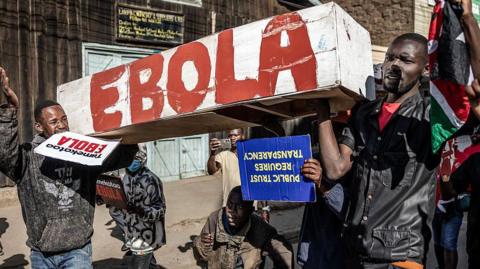
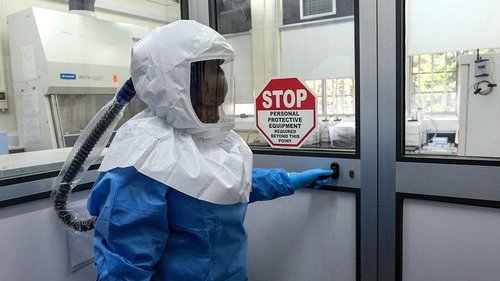
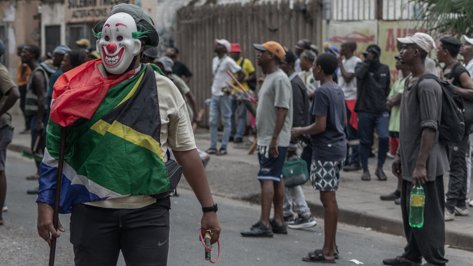
The missing teenager, Sylvester Muigai Ndung’u, was killed on a Tuesday during disturbances that erupted over the U.S. government’s proposal to construct a 50-bed Ebola quarantine facility at Laikipia Air Base. Police confronted demonstrators who had planned a peaceful march to demand relocation of the centre.
Lawyers and activists allege that police deployed tear gas and, possibly, live ammunition, while the mayor noted that the death scene showed a partially split head and clothes soaked in blood. Family members argued the injuries could stem from a tear‑gas canister, yet an official post‑mortem is pending.
Lucy Kagure, the mother, spent two days searching hospitals and police stations with no success until she located the body at the mortuary, where it was initially listed as an unidentified male. She expressed shock and grief, describing how the boy had grown, studied hard, and dreamed of becoming a priest.

The teenager is the third known death linked to the protests, following earlier casualties that raised concerns about the transparency and safety of the emergency health site.
Human rights groups have accused police of excessive use of force, citing live ammunition and arbitrary arrests, although the authorities have not publicly responded. Meanwhile, the U.S. clarified that it was aware of the recent legal case against the centre’s opening and remains optimistic about resolving objections.
Kenyan President William Ruto defended the arrangement, emphasising that refusal would be “inhuman” and urged citizens not to politicise the serious issue of Ebola. The protests were sparked by a demand that “public trust requires transparency,” and the town’s populace continues to grapple with the balance between international aid and local sovereignty.