In brief
With the measles outbreak in South Carolina becoming the worst in decades, parents like the Otwells express heightened concern for their unvaccinated infants. While babies rely on herd immunity, declining vaccination rates pose serious risks, especially after reports of transmission in public spaces. Health officials urge vaccination but face opposition from emerging anti-vaccine movements.
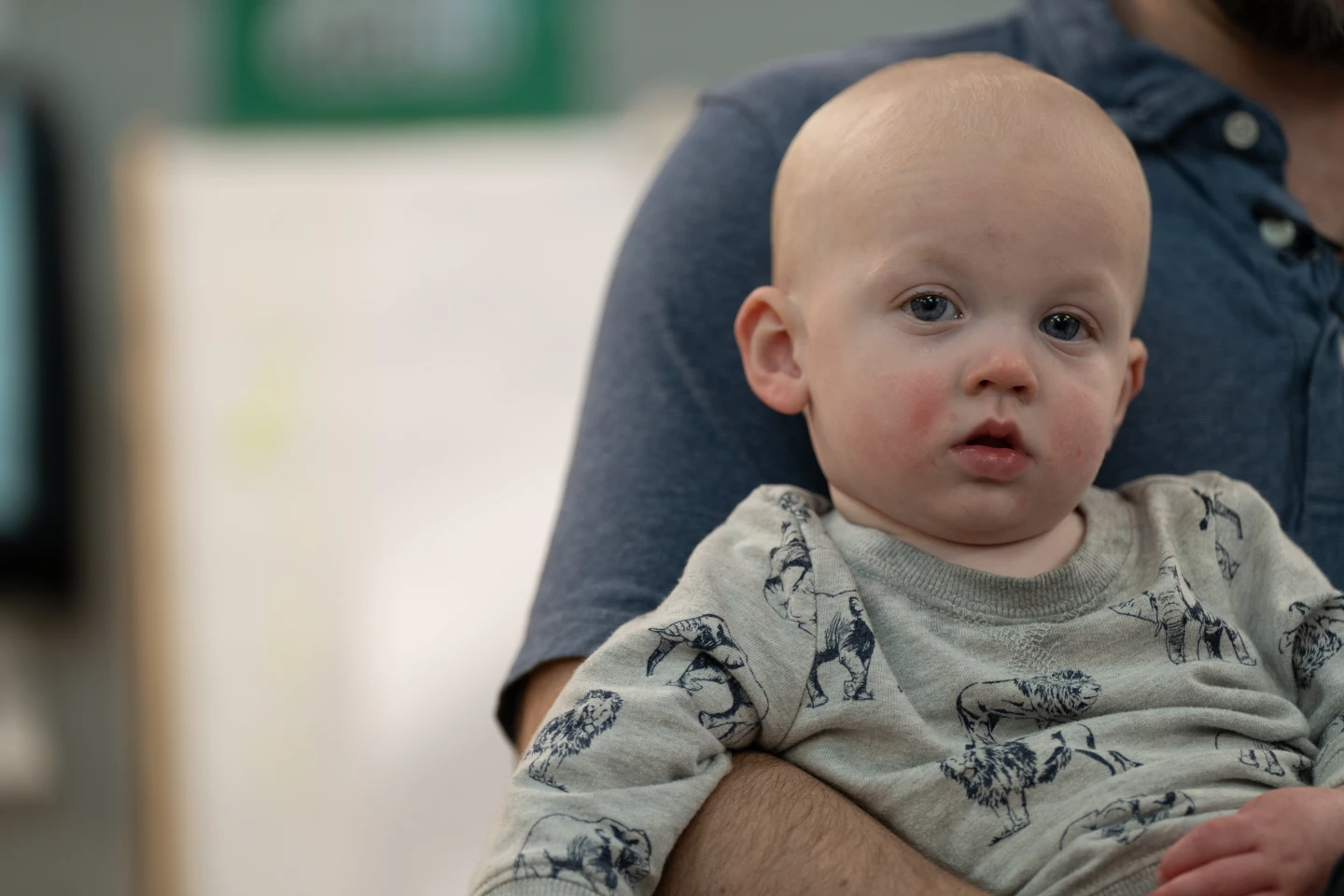
LANDRUM, South Carolina — With the birth of their new baby approaching, the Otwells are growing increasingly anxious about the ongoing measles outbreak. Their youngest child, Arthur, is still too young to receive the measles vaccine, raising concerns as the outbreak has escalated, becoming the worst the country has seen in over 35 years.
John Otwell expressed his worries, particularly when grocery shopping: “We go to the Costco that was kind of a hotbed. A lot of people just don’t get it; they think it’s just a cold. It’s not.” Public health officials have noted that the outbreak in South Carolina has surpassed last year’s totals in Texas.
State guidance now permits babies like Arthur to get the first dose of the MMR (measles, mumps, and rubella) vaccine as early as 9 months old due to the significant threat. However, their new baby will not be eligible for vaccination until at least 6 months old, prompting an urgent need for herd immunity.
Infants, too young to be vaccinated, face grave risks during outbreaks, including severe illness and potential hospitalization. Dr. Deborah Greenhouse, a pediatrician, implored the community to prioritize vaccination, stating, “Babies become sitting ducks.” Parents are increasingly worried about the lack of vaccination compliance, with less than 90% of students fully vaccinated in Spartanburg County, the outbreak's epicenter.
Despite the urgency, some policymakers are driving movements to oppose vaccination requirements, framing them as issues of personal liberties. This growing trend, particularly in conservative states, threatens to further reduce immunization rates.
Health Secretary Robert F. Kennedy Jr., known for his anti-vaccine stance, continues to challenge existing vaccine policies, reinforcing anxieties among health professionals. With the South Carolina outbreak totaling about 1,000 cases, measures to improve vaccination participation have become increasingly critical.
The ongoing measles crisis, fueled by declining vaccination rates, has prompted doctors to adjust vaccination schedules for infants to protect those vulnerable. Amidst the fears of rising cases, many parents express uncertainty about their children's safety, leading to further concerns regarding public health and community immunity.
As the country faces one of its worst measles outbreaks in history, health officials emphasize the importance of vaccination as a protective measure for all. The health landscape remains precarious as misinformation and vaccine hesitancy challenge efforts to maintain herd immunity, putting the youngest and most vulnerable at risk.