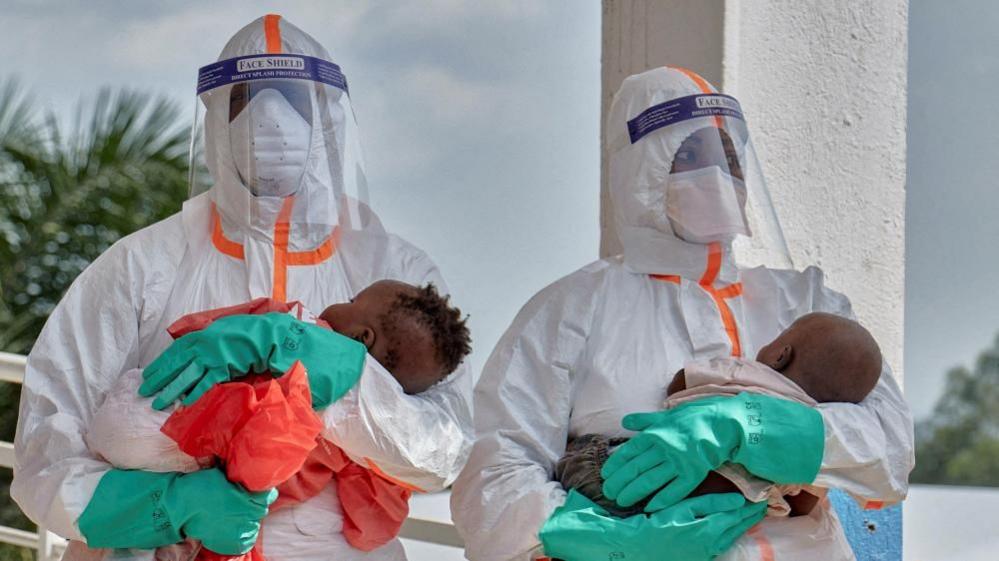
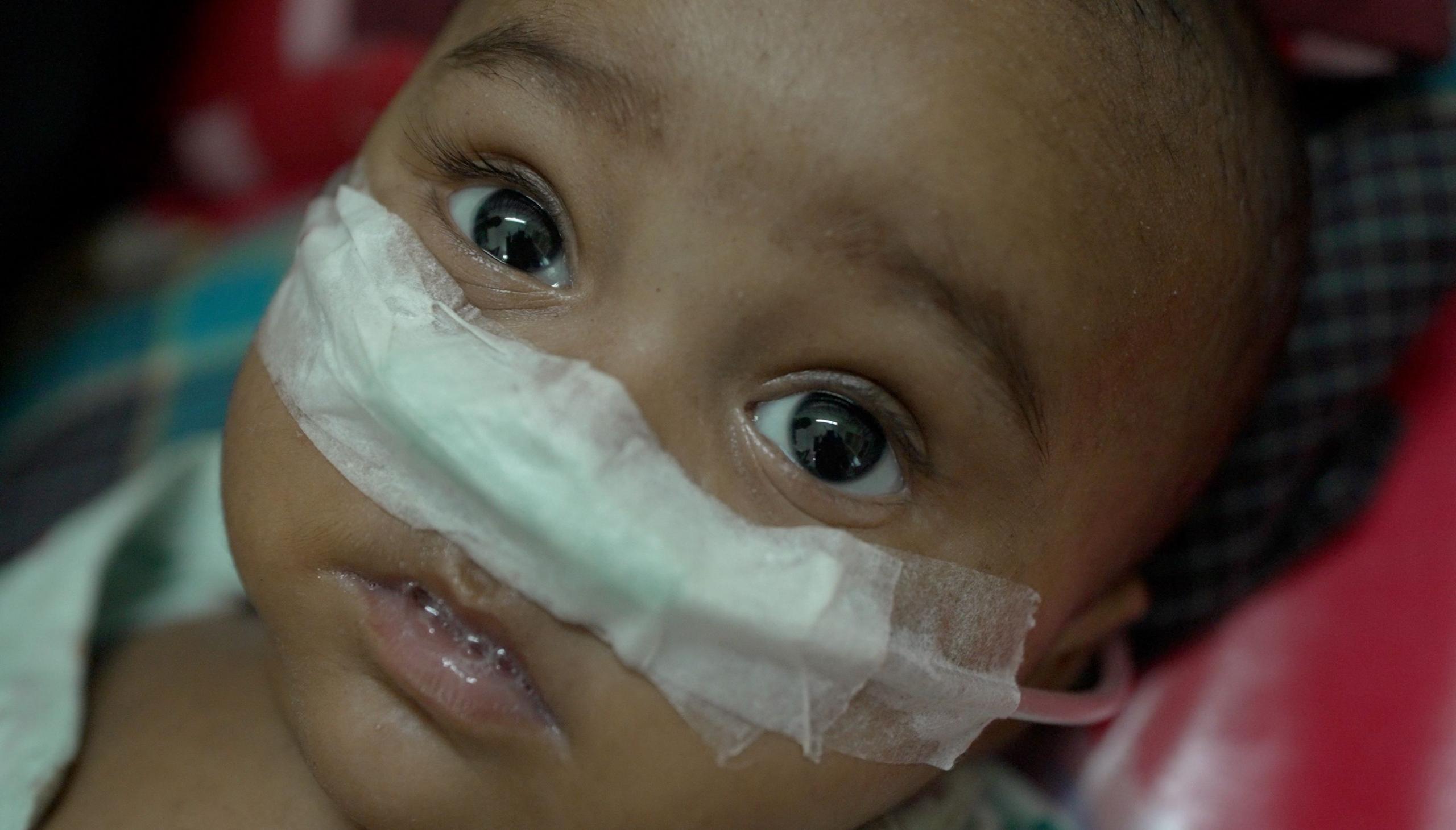
In the remote forested villages of Balaghat district, Madhya Pradesh, a sudden spike in fever, rash and diarrhoea has left 32 children dead, ages from three months to 18 years. The deaths, half of which were Baiga children, have shaken an already fragile tribal community. Investigators say measles and malaria are the front‑line culprits, their effects amplified by chronic malnutrition and weeks of delayed treatment.
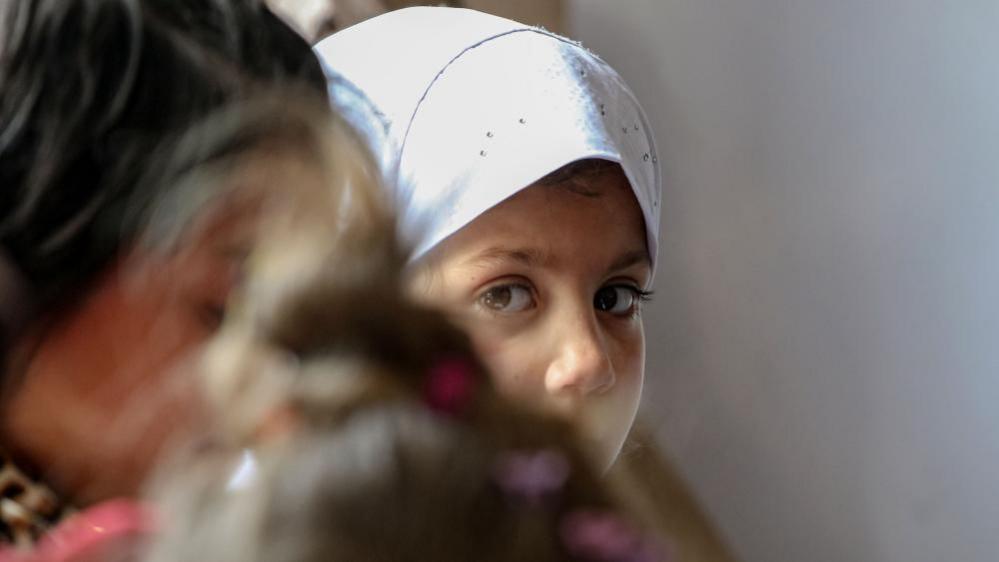
One family’s story is haunting. Three‑year‑old Bamita Markam, suffering from high fever and sore rashes, was first taken to a local doctor and then a faith healer. When her condition worsened, the family could not transport her into the nearest health centre because of heavy rains and muddy tracks. She died at night, and her mother buried her in the jungle. Her six‑year‑old sister Ankita now carries the weight of a sibling lost.
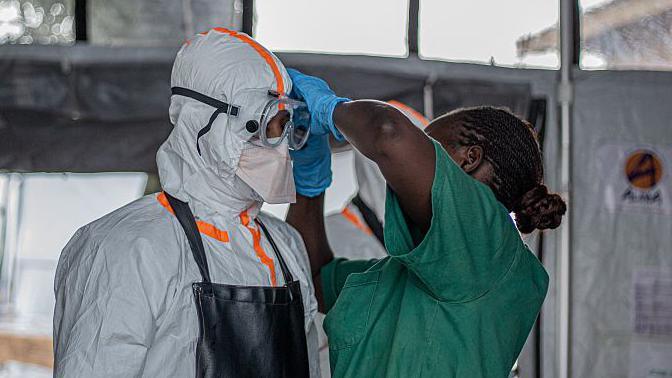
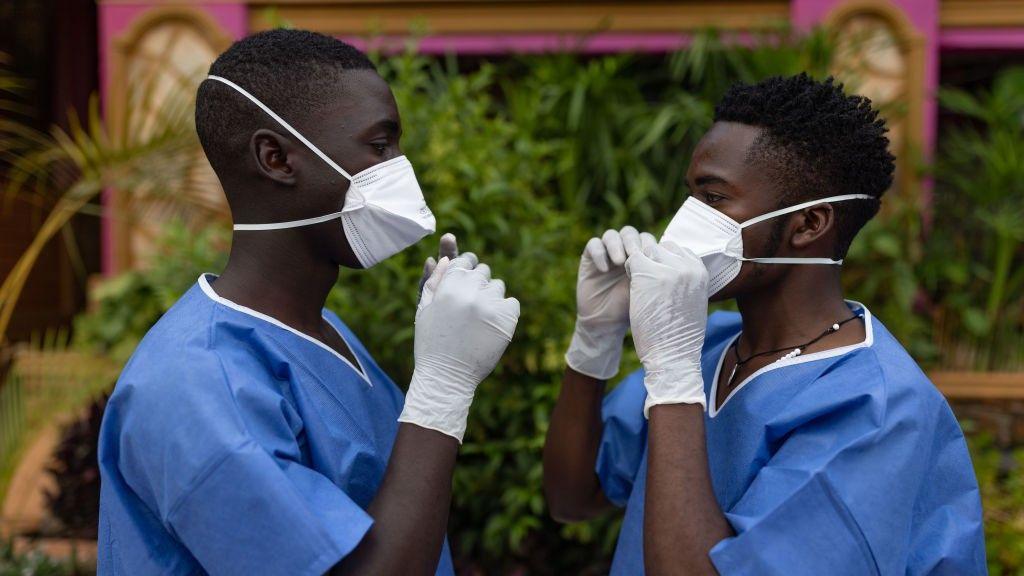
Health officials say that eight to ten deaths were linked directly to measles and another ten to malaria, with several children suffering from both. The prevalence of malaria in the region means that a fever could mean several illnesses at once, making early and accurate diagnosis a challenge. More than 2,000 outpatient visits were made by mobile teams that carried oxygen, nebulisers and rapid malaria tests. Nearly 6,200 patients, mostly children, were treated at home, and over 630 were referred to a district hospital 70 km away.
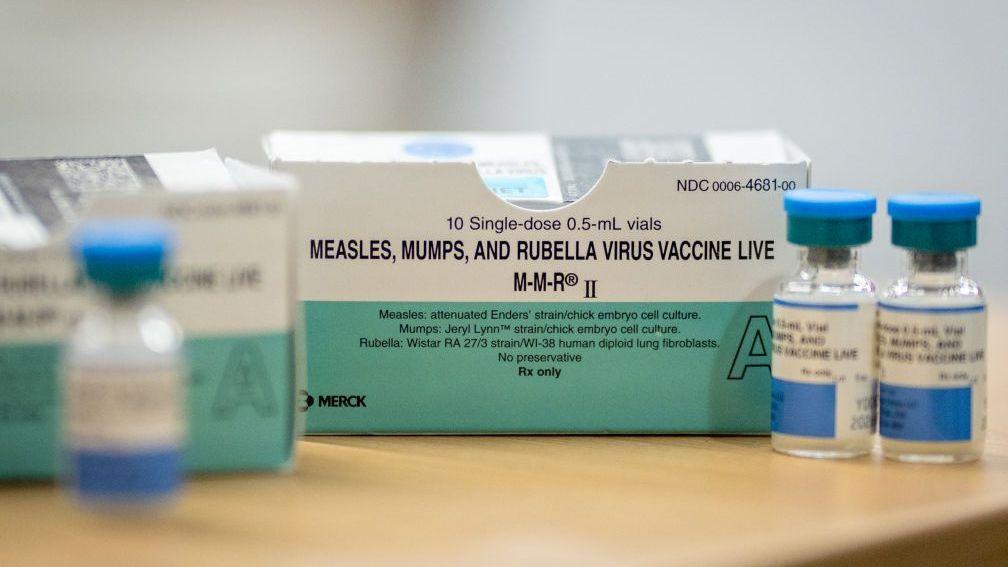
Vaccination, however, is promised but unfulfilled. Although official records estimated a 90‑95% coverage in some villages, many households lack certificates, and some parents are reluctant to vaccinate due to cultural beliefs. In response, health workers offered the measles‑rubella (MR) shot to every child under 15, regardless of vaccination status. Of roughly 40,000 children in Birsa district, about 27,000 received the vaccine. Yet the rapid response underscores that only vaccines are not enough: basic nutrition, hygiene education and reliable access to care are missing.
A 2024 audit by India’s Comptroller and Auditor General found serious irregularities in the state’s distribution of rations intended to supplement diets for children, pregnant and lactating women. Problems ranged from poor identification of beneficiaries to delays in transport and storage, leaving many families without the nutrients needed to fight infections.
The outbreak has now subsided; the last child death occurred over two weeks before authorities’ assessment. Nevertheless, the villages remain shrouded in mud‑laden paths and lingering fear. Mothers still cry for the children already gone; others keep praying that the next generation of children will live to see daylight. The tragedy has rallied the state to expedite mobility of health units, improve vaccination programmes and redress nutritional deficits in one of the most vulnerable tribal territories in India.