In brief
A violent storm on 11 August knocked out power for thousands of Indiana residents, especially in Gary, where wind gusts peaked at 99 mph. 77‑year‑old Terry Dubois, like many others, relies on friends for food and a power bank, while power has been restored to 345,000 customers but 30,000 still lack electricity. The community has resorted to using generators, grilling on portable power and cooling with ice, and local charities such as World Central Kitchen have stepped in to provide food and aid. A lawsuit alleges that the utility Nipsco failed to manage trees that caused extensive line damage, and Governor Mike Braun calls for federal assistance to expedite restoration.
After a violent storm on 11 August, thousands of households in Indiana, especially those in Gary, have been left without electricity for more than a week. The wind reached 99 mph and flooding damaged infrastructure, leaving residents grappling with dark homes and a lack of refrigeration.
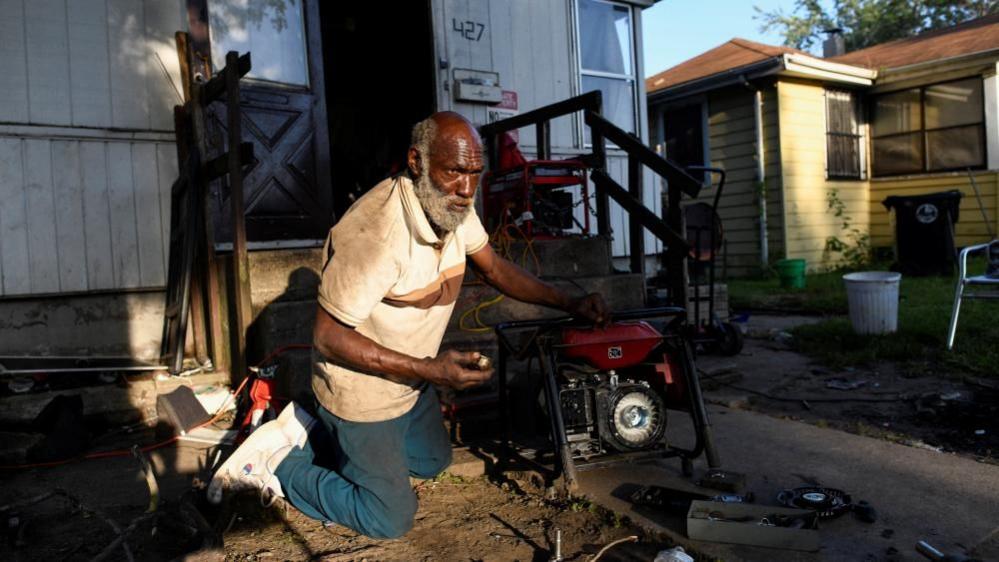
In the midst of the outage, 77‑year‑old Terry Dubois relies on friends for food and a power bank to keep her phone running. Residents of the former steel‑town see the long‑term effects of the storm, with many still without power after 12 days.
Power has been restored to 345,000 customers, but as of Sunday, nearly 30,000 households remained without electricity, according to local utility Northern Indiana Public Service Company (Nipsco). The outage forced gas stations, supermarkets and pharmacies into darkness, and people had to ration what they already had.
Food charities such as World Central Kitchen have moved in to serve residents, while many have turned to generators. Some families are struggling to keep medications refrigerated, and people with mobility aids have had to manually lower themselves down stairs. At night, street lights are dark and safety is a concern.
Nipsco faces a class‑action lawsuit, with residents alleging the company failed to manage trees that brought down power lines and caused the prolonged outage. The lawsuit is expected to push for a quicker federal disaster declaration from FEMA to unlock additional assistance.
Governor Mike Braun has urged the utility to bring more crews to service lines and has called for a major disaster declaration to speed the recovery. He has also warned that climate change is making such extreme weather events more frequent.
Until power returns, residents are adapting by using ice to stay cool, grilling food on portable generators and staying optimistic that any situation can be handled. These waves of survival illustrate the community’s resilience as they await the restoration that remains a weeks away.