In brief
Five years after the Taliban’s return to power, Afghan women report a stark shift in their everyday lives – girls barred from secondary education, travel requiring male chaperones, and an increase in child marriages. BBC reporters spoke to women from Kabul to remote countryside, hearing stories of fear, poverty and resilience. While some women detail the loss of dreams and new hardships, others express determination to rebuild opportunities and defend their rights.
Women Speak After Five Years Under Taliban Rule
Since the Taliban regained Afghanistan in August 2021, the lives of its 22 million women have been radically altered. A BBC investigation gathered voices from Kabul to the countryside, revealing a landscape where girls over 12 can no longer attend secondary school, travel without a male escort is forbidden, and a new law effectively legalises child marriage.
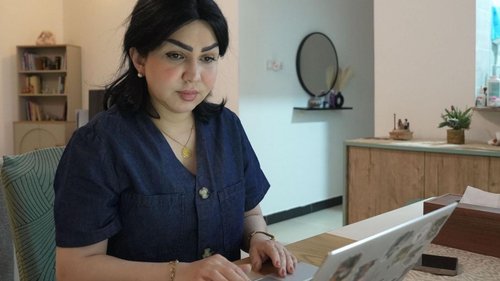
In Kabul, Ela, a dental assistant, said she has put her education and dreams on hold. She described a climate of poverty and daily hardship that forces many Afghan women to survive rather than plan for the future.
The Taliban’s foreign minister, Amir Khan Muttaqi, told the BBC that women are "not totally restricted on all walks of life". He added that three million girls are currently attending schools or religious madrassas, but critics argue that this rhetoric masks a regime that for years has barred girls from regular education.
Shakiba, 18, a jewellery maker in Kabul, narrated how the day the government fell became a personal wound opened again each year, eclipsing her dream of becoming a pilot. She credited online learning for completing secondary education but sees her long‑term goals as unattainable under present restrictions.
Journalist Zuhal, formerly a news anchor, claimed she was forced to stay home after Taliban orders, highlighting how the regime’s cultural laws push women out of public life. She warned that many women fear reprisals and purposely use pseudonyms in interviews.
The punitive measures extend to public punishments. Shaima was flogged 50 times for associating with a man, a punishment that left her family traumatised. A sister’s testimony echoes similar stories of public lashings and imprisonment for women who defy gendered expectations.
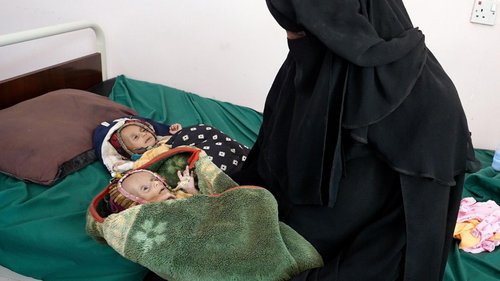
Medical access has worsened, with midwife Marzia preventing a mother of six from receiving care, leading to the death of the mother while her baby survived. Asana, 13, dreams of becoming a doctor but points to the fragile state of healthcare for women.
Hope Persists
Despite overwhelming adversity, a number of women remain steadfast. Noori, 24, stopped her university studies but launched a jam‑making business to provide jobs for other women, now employing ten staff members. She plans to expand to offer continued employment opportunities.
When asked to speak up for Afghan women, Ela urged the international community not to forget the plight of Afghan girls and women, calling for solidarity and continued attention to their rights.
This story carries distressing detail. Muslims and those affected are advised to consult local support resources and crisis hotlines.