Surge in Violence Against Women in Gaza Revealed by UNFPA
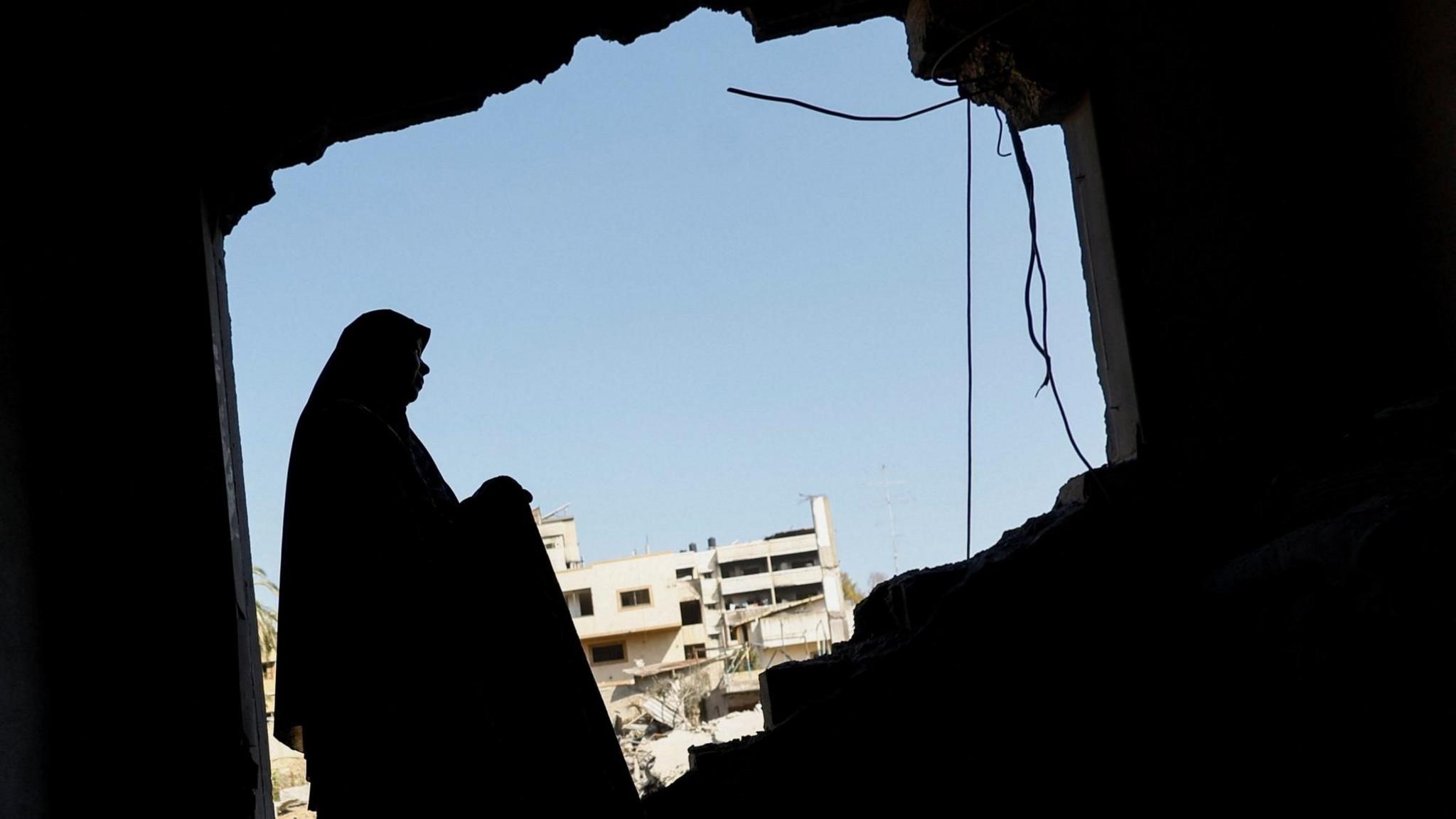
The United Nations Population Fund (UNFPA) has released a series of studies showing a dramatic spike in gender‑based violence (GBV) across the Gaza Strip. According to a report that aggregated data from ten NGOs and community organizations, early and forced marriages in the second quarter of 2026 are up 123% compared with the first quarter. The findings underline a continuous deterioration in women's safety amid 2023‑23 Gaza conflict and ongoing humanitarian collapse.
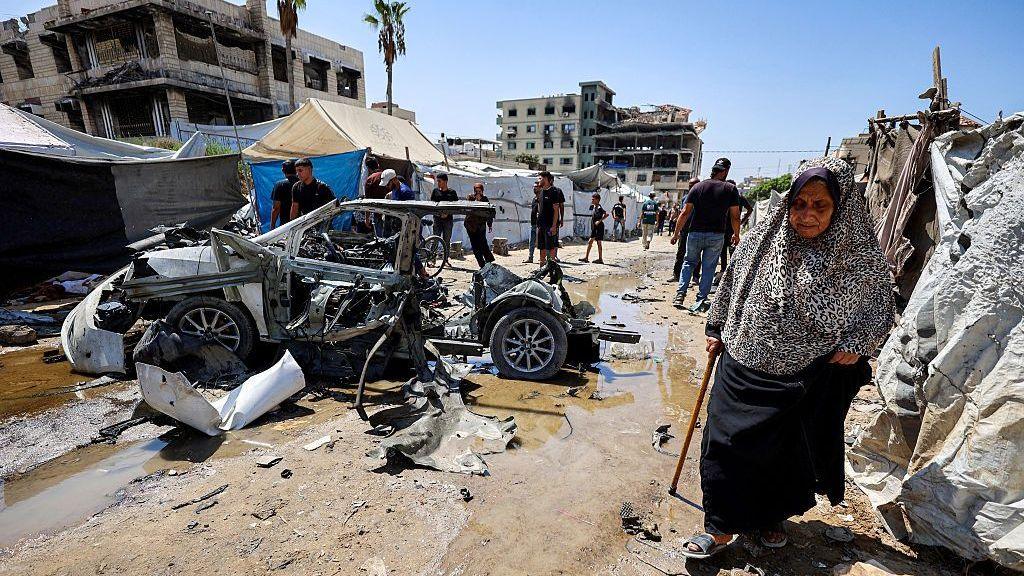
UNFPA’s latest analysis also confirms that rape and sexual assault cases climbed 61% in absolute numbers, now representing about 2.7% of all GBV incidents recorded from April to June 2026. The majority of survivors are women aged 18‑59, with adolescent girls and adult men also reported but in smaller numbers. The crisis has researchers pointing to widening gaps in protective infrastructure, including inadequate shelters, poor lighting, and scarce sanitation facilities that drive women to avoid public spaces at night.
The reports carry harrowing narratives from displaced families. One woman described how rape victims are routinely married to their rapists to shield them from shame: "When an assault is discovered in a school, we arrange a wedding and celebrate the next day," she says. Another linked a 14‑year‑old daughter’s forced marriage to the sale of flour for food aid, describing a bleak trade‑off between survival and innocence.
UNFPA representative for Palestine, Nestor Owomuhangi, explained that prolonged conflict has eroded social norms, leaving only a fragile safety net: "The shattering of communities means no system exists to protect young girls," he said. He added that a 17‑year‑old pregnant bride was forced out of school simply to raise an infant under unhygienic conditions.
The report also highlights that half the families in the Gaza Strip are led by women, and that the law allows marriages as early as 14 years and seven months if parents approve and a judge permits it. The judiciary’s closure during much of the conflict removed legal safeguards, underscoring why gender‑based violence escalated.
Aid organizations insist stepping up humanitarian conditions—permits for better shelters, sanitary latrines, lighting, and sanitation—could dramatically reduce risk for women and girls. The UN has urged Israel to improve access to high‑quality aid resources and adopt longer‑term educational and health programmes to handle the legacy of domestic violence and child marriage. Meanwhile, many women hope that the twisting fortunes of Gaza will eventually lead to safer conditions and a chance to rebuild their futures.